
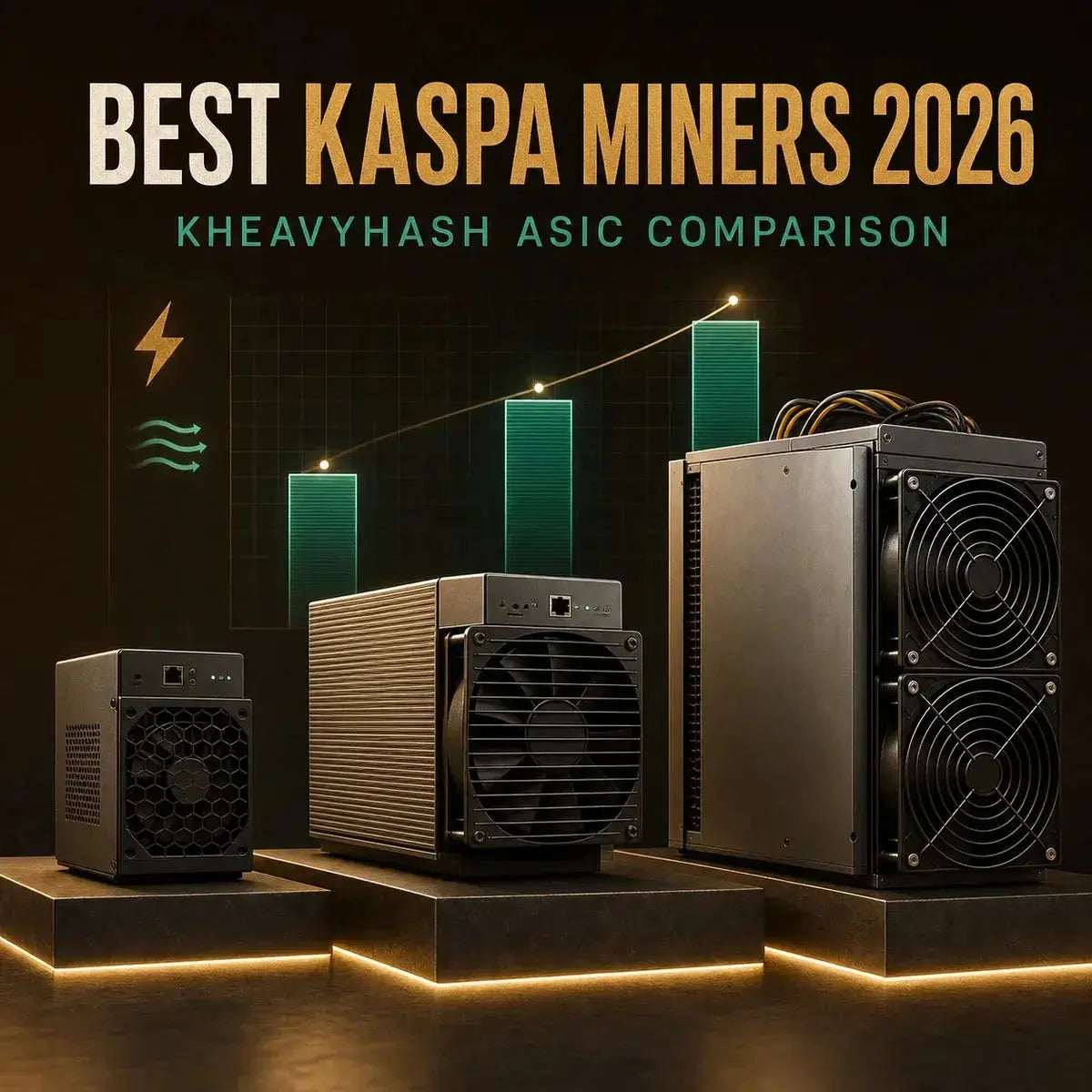
Los mejores mineros de Kaspa en 2026
Principales ASIC de KHeavyHash comparados
Especificaciones verificadas de KHeavyHash · Ajuste de hogar y granja · Ruido y voltaje · Disciplina de equilibrio eléctrico
En esta página
1Qué hace un minero Kaspa
Un minero Kaspa es un ASIC creado para calcular el algoritmo de prueba de trabajo KHeavyHash utilizado por la red Kaspa. A diferencia de una plataforma GPU, un Kaspa ASIC no está diseñado para cambiar libremente entre muchos algoritmos. Su valor proviene de la especialización: produce mucha más salida de KHeavyHash por vatio de la que el hardware de uso general puede gestionar.
Kaspa utiliza un BlockDAG en lugar de la estructura de cadena única de Bitcoin. Esto explica su rápida producción de bloques, pero no elimina la electricidad, la dificultad o el riesgo de depreciación del hardware.
El Antminer KS7 es la opción de mayor eficiencia y rendimiento en esta comparación para una sala de minería con alimentación adecuada. El ICERIVER KS7 Lite es la entrada de bajo consumo más práctica, mientras que el Goldshell KA Box Pro es la opción verificada más silenciosa aquí. El Kaspa ASIC adecuado depende del costo de la electricidad, el voltaje del circuito, el escape de calor, la tolerancia al ruido y el precio de compra, en lugar de solo el hashrate.
2Comparación de mineros Kaspa ASIC
Los siguientes modelos cubren tres categorías de compradores reales en 2026: hardware agrícola de máximo rendimiento, entradas a viviendas de menor consumo energético y sistemas integrados más silenciosos. Las especificaciones son valores enumerados por el fabricante o modos de producto claramente identificados; El dibujo y el sonido reales de la pared pueden variar según el lote, la temperatura ambiente, la velocidad del ventilador y el firmware.
| minero | tasa de hash | poder | Eficiencia | Ruido / Entrada | Mejor ajuste |
|---|---|---|---|---|---|
| Bitmain Antminer KS7 | 40 TH/s | 3.080 vatios | 77 J/TH | 75-76dB/220-277V | Granja basada en la eficiencia o implementación alojada |
| ICERIVADOR KS7 | 30 TH/s (±5%) | 3.500 vatios (±10%) | 116,7 J/TH nominales | Industriales / 200-250V | Sala de minería dedicada de alto rendimiento |
| ICERIVER KS7 Lite | 4,2 TH/s (±5%) | 500W (±10%) | 119 J/TH nominales | Verificar dB / 100-240V | Configuración de prueba casera o para principiantes de bajo consumo de energía |
| Caja Goldshell KA Pro | 1,6 TH/s (±5%) | 600W (±5%) | 375 J/TH | Fuente de alimentación ≤35 dB/12 V CC | Pasatiempo silencioso y uso de aprendizaje. |
| Concha Dorada E-KA1M | 5,5 TH/s / 3,8 TH/s de baja potencia | 1.800W / 1.100W | 327 / 289 J/TH | ≤45dB/110-240V | Garaje, sótano o taller flexible |
La brecha de eficiencia es decisiva. A 77 J/TH, el KS7 de 40 TH/s usa menos energía por terahash que cualquier modelo más pequeño aquí. El KA Box Pro es más fácil de colocar a 35 dB o menos, pero su clasificación de 375 J/TH intercambia rentabilidad y resiliencia por un funcionamiento silencioso.
3Mejores elecciones por caso de uso
Mejor eficiencia y máximo rendimiento: Bitmain Antminer KS7. Sus 40 TH/s y 77 J/TH lideran este conjunto. Confirme la potencia de 220-277 V, la capacidad de carga continua, el aislamiento de 75-76 dB y el escape de calor antes de comprar.
La mejor entrada de bajo consumo: ICERIVER KS7 Lite. Sus 4,2 TH/s, consumo de 500 W y entrada de 100-240 V crean un práctico punto medio entre los micromineros de escritorio y el hardware agrícola. Verificar el comportamiento acústico antes de colocarlo cerca de habitaciones ocupadas.
El mejor experimento casero tranquilo: Goldshell KA Box Pro. Goldshell enumera 35 dB o menos, pero 375 J/TH es la eficiencia más débil aquí. Trátelo primero como una máquina de aprendizaje y de bajo ruido.
Mejor flexibilidad de modo: Goldshell E-KA1M. El modo de bajo consumo mejora la eficiencia indicada de 327 a 289 J/TH al tiempo que reduce el consumo a 1100 W. Favorece la controlabilidad sobre la máxima eficiencia terahash.
Opción industrial alternativa: ICERIVER KS7. Sus 30 TH/s, consumo de 3500 W y entrada de 200-250 V hacen que el precio de compra, la ruta de garantía y los términos de alojamiento sean especialmente importantes.
4Costo de electricidad y punto de equilibrio de Kaspa Miner
La rentabilidad del minero Kaspa cambia con el precio de KAS, el hashrate de la red, la suerte del grupo, las tarifas del grupo, las recompensas en bloque y el costo de la electricidad. Cualquier cifra de beneficio diario es sólo una instantánea. En lugar de confiar en una captura de pantalla de ganancias, cree una fórmula reutilizable y actualícela el día de la compra. Para el método más amplio, utilice el Guía de eficiencia y tarifas eléctricas de los mineros ASIC.
Beneficio diario = ingresos diarios de KAS en USD - [(vatios / 1000) x 24 x tarifa de electricidad] - costos de pool, alojamiento y mantenimiento.
Por ejemplo, una unidad de 500 W consume 12 kWh al día. A $0,07/kWh, el costo directo de la electricidad es de $0,84 por día. Una unidad de 3500 W utiliza 84 kWh por día, lo que cuesta $5,88 por día a la misma tarifa. Es por eso que un minero con una alta tasa de hash aún puede decepcionar cuando el costo de la energía y la eficiencia energética no coinciden.
| Minero / Modo | kWh diarios | Costo a $0,07/kWh | Costo a $0,12/kWh |
|---|---|---|---|
| KS7 Lite, 500W | 12,0 kWh | $0.84/día | $1.44/día |
| KA Box Pro, 600W | 14,4 kWh | $1.01/día | $1.73/día |
| E-KA1M de bajo consumo, 1.100 W | 26,4 kWh | $1.85/día | $3.17/día |
| Antminer KS7, 3.080W | 73,92 kWh | $5.17/día | $8.87/día |
| ICERIVER KS7, 3.500W | 84,0 kWh | $5.88/día | $10.08/día |
La tasa de equilibrio de la electricidad es igual ingresos brutos diarios divididos por kWh diarios. Si un minero gana 6,00 dólares brutos y utiliza 73,92 kWh, su límite máximo de energía es de aproximadamente 0,081 dólares/kWh. El límite práctico es más bajo después de las tarifas de la piscina, el enfriamiento, el tiempo de inactividad y el mantenimiento.
Calcule con los ingresos actuales, luego repita con un 25 % y un 40 % menos de ingresos brutos. Rechace una compra que funcione solo al mejor precio actual o solo antes de los costos de refrigeración y piscina.
La recuperación total también incluye el precio del hardware, el envío, los aranceles, la garantía, el tiempo de inactividad, las acciones rechazadas y el valor de reventa. El margen diario positivo no garantiza un período de recuperación razonable.
5Haga coincidir Kaspa Miner con el sitio
Los ASIC Kaspa son más fáciles de iniciar que los equipos GPU, pero siguen siendo equipos eléctricos y térmicos. Una unidad de tamaño completo de clase KS7 puede sonar como un electrodoméstico ruidoso funcionando continuamente y puede requerir un circuito para el cual las habitaciones domésticas comunes no fueron construidas. El calor también es constante: casi toda la electricidad consumida se convierte en calor dentro de la habitación.
Si un minero corre cerca de personas, el ruido puede importar más que las ganancias teóricas. Si se ejecutará en una sala de minería, la eficiencia y el tiempo de actividad generalmente importan más que el espacio. La elección correcta depende de la habitación y no al revés. Las unidades industriales clase KS7 también merecen la revisión de un electricista calificado antes de su instalación; su voltaje y carga continua están fuera de las expectativas habituales de plug-and-play.
6Selección de piscina Kaspa y primeras 48 horas
La mayoría de las configuraciones de Kaspa ASIC siguen una ruta simple: coloque el minero en un área ventilada, conecte la alimentación y Ethernet, busque su dirección IP, abra la interfaz web, ingrese la URL del grupo, el nombre del trabajador y la dirección de la billetera Kaspa, luego guarde y reinicie. Las primeras 48 horas deben tratarse como una prueba de quemado.
- Utilice Ethernet por cable: La inestabilidad de la red Wi-Fi puede provocar acciones rechazadas y pérdida de tiempo de extracción.
- Verifique la región de la piscina: una latencia más baja puede mejorar la coherencia del envío de recursos compartidos.
- Verificar la dirección de la billetera: una dirección incorrecta puede enviar pagos a algún lugar irrecuperable.
- Vigilar temperaturas: Los primeros problemas térmicos a menudo revelan una mala ubicación o un escape bloqueado.
- Registro de hashrate de referencia: compare el hashrate del lado de la piscina con las lecturas de los mineros locales.
La minería en solitario suele ser poco realista para los pequeños operadores porque la variación de las recompensas es alta. Los pools suavizan los pagos combinando el hashrate de muchos mineros y distribuyendo las recompensas según el trabajo aportado. Al comparar los grupos de minería de Kaspa, verifique el método de pago, la tarifa, el pago mínimo, la región del servidor, el tiempo de actividad reciente, los informes de hashrate y si el grupo admite su flujo de trabajo de billetera preferido. El grupo más grande no es automáticamente el mejor si su servidor más cercano produce una latencia inestable.
Utilice el guía completa de minería Kaspa para el flujo de trabajo más amplio de billetera, configuración y red. Esta comparación se centra en elegir el hardware en lugar de duplicar ese tutorial completo.
7Riesgos que los nuevos mineros de Kaspa deben comprobar
El mayor error es tratar un Kaspa ASIC como un pequeño dispositivo de consumo. Incluso los mineros compactos funcionan continuamente, generan calor y dependen de la conectividad de la red. Los modelos de tamaño completo añaden mucho ruido, mayor voltaje y requisitos de flujo de aire más serios.
El riesgo de mercado también importa. Los ingresos de KAS pueden cambiar rápidamente si el precio cambia o si aumenta el hashrate de la red. El valor de reventa de ASIC puede caer cuando llegan lotes más nuevos. Los períodos de garantía son limitados y el envío internacional puede ralentizar la reparación. Un comprador conservador asume cierto tiempo de inactividad, mayores dificultades futuras y un menor valor de reventa en lugar de modelar sólo el mejor de los casos.
No compre un minero de varios kilovatios de 75 dB para un espacio habitable compartido a menos que ya se hayan resuelto la energía, el ruido, el calor y la ventilación.
8Lista de verificación de compra de Kaspa ASIC
Antes de comprar, confirme el modelo exacto, el modo de hashrate, el consumo de energía, el voltaje, el tipo de enchufe, la inclusión de la fuente de alimentación, la política de garantía, el costo de envío, la responsabilidad aduanera, la reputación del vendedor y el proceso de devolución. Para máquinas usadas, solicite capturas de pantalla del grupo, números de serie, horarios de funcionamiento si están disponibles y un breve video de prueba en vivo.
Luego, ejecute tres casos de rentabilidad: condiciones actuales, un 25 % menos de ingresos de KAS y su tarifa de electricidad más gastos generales de refrigeración. Si el minero sólo trabaja en el caso optimista, no es un plan confiable. Si todavía funciona en el caso negativo, el hardware tiene un mayor margen de seguridad.
| Prioridad | Pregunta para responder | Por qué es importante |
|---|---|---|
| poder | ¿Puede el circuito soportar una carga continua? | Evita tropiezos, sobrecalentamiento y cableado inseguro |
| Ruido | ¿Puede la habitación tolerar la clasificación dB? | Protege la usabilidad diaria y la comodidad de los vecinos. |
| Eficiencia | ¿Cuál es el J/TH real después de la configuración? | Determina la supervivencia a tarifas eléctricas más altas |
| Liquidez | ¿Cuánto dura la recuperación bajo supuestos conservadores? | Reduce la exposición a la rápida depreciación de ASIC |
9Preguntas frecuentes sobre Kaspa Miner
¿Qué algoritmo utilizan los mineros de Kaspa?
Los mineros de Kaspa utilizan KHeavyHash, el algoritmo de prueba de trabajo asociado con la red Kaspa.
¿Puede un Kaspa ASIC minar Bitcoin?
No. Bitcoin usa SHA-256, mientras que Kaspa usa KHeavyHash. Los ASIC suelen estar diseñados para una clase de algoritmo.
¿Qué minero Kaspa es mejor para uso doméstico?
El KS7 Lite es el modelo de bajo consumo más potente en esta comparación, mientras que el KA Box Pro es la opción verificada más silenciosa con 35 dB o menos. Ninguno de los dos cambia la necesidad de planificar la calefacción, el acceso a la red y la carga eléctrica.
¿Es el hashrate más importante que la eficiencia?
No. Hashrate impulsa el potencial de ingresos, pero la eficiencia controla el costo de la energía. Compara ambos antes de comprar.
¿Cuál es el mejor pool de minería de Kaspa?
No existe un mejor grupo permanente. Compare tarifas, método de pago, pago mínimo, ubicación del servidor, tiempo de actividad y estabilidad de la tasa de hash del lado del grupo, luego pruebe al menos dos puntos finales regionales antes de decidir.
10Referencias y fuentes de datos
Estas fuentes se seleccionaron para obtener información oficial de la red, contexto del protocolo o referencia de producto a nivel de fabricante. Se abren en una pestaña nueva y están marcados como nofollow.
- Sitio web oficial de KaspaFuente oficial para el posicionamiento de la red de Kaspa, mensajes BlockDAG, enlaces al ecosistema y recursos de la comunidad.
- Repositorio de nodos Kaspa RustRepositorio de código abierto a nivel de protocolo para el software del nodo Kaspa y el contexto de desarrollo técnico.
- Página del producto Goldshell KA Box ProReferencia de producto del fabricante para una clase de minero doméstico compacto orientado a KHeavyHash/Kaspa.
- Página del producto Goldshell E-KA1MEspecificaciones del fabricante para modos estándar y de bajo consumo, ruido, voltaje, dimensiones y rango de operación.
- ICERIVER Catálogo Oficial de Mineros KASCatálogo del fabricante para los modelos actuales de KHeavyHash y valores de hashrate y potencia enumerados.
- Página del producto ICERIVER KS7 LiteReferencia del fabricante para hashrate, potencia, voltaje, dimensiones, conexión de red y rango operativo.
- Calculadora de minería BITMAINCalculadora del fabricante que enumera el KAS Miner KS7 e ilustra por qué se deben actualizar la red en vivo y las entradas de ingresos.
Veredicto final
Elija el Antminer KS7 cuando la eficiencia y el rendimiento máximo sean la prioridad y el sitio ya esté preparado para energía industrial, calor y ruido. Elija el KS7 Lite para una entrada de menor potencia, el KA Box Pro para un funcionamiento silencioso verificado o el E-KA1M cuando los modos controlables importan más que el mejor J/TH de su clase.
La compra ganadora es la que se adapta a su circuito, límite acústico, plan de enfriamiento, tasa de equilibrio de electricidad y modelo de ingresos a la baja. Verifique el lote exacto y vuelva a calcular los ingresos reales antes de pagar; Las tablas de rentabilidad estáticas son instantáneas temporales, no promesas.


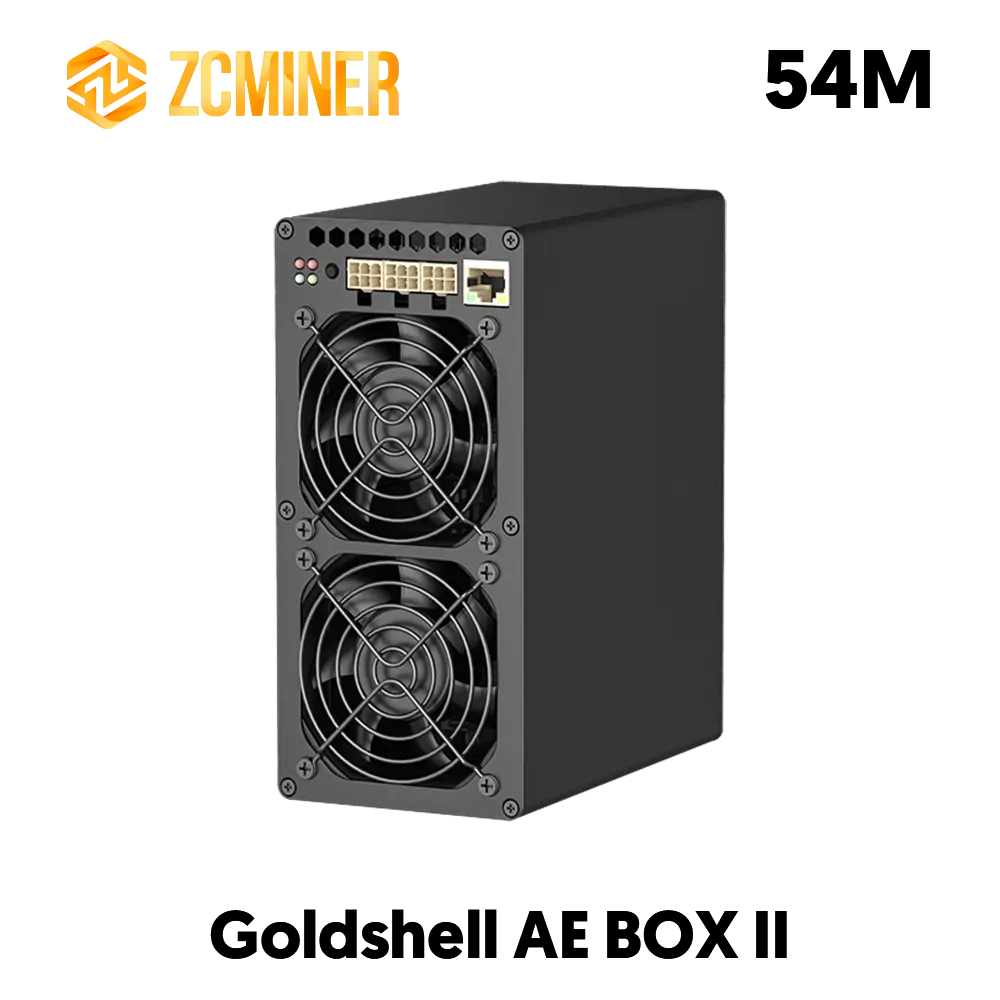
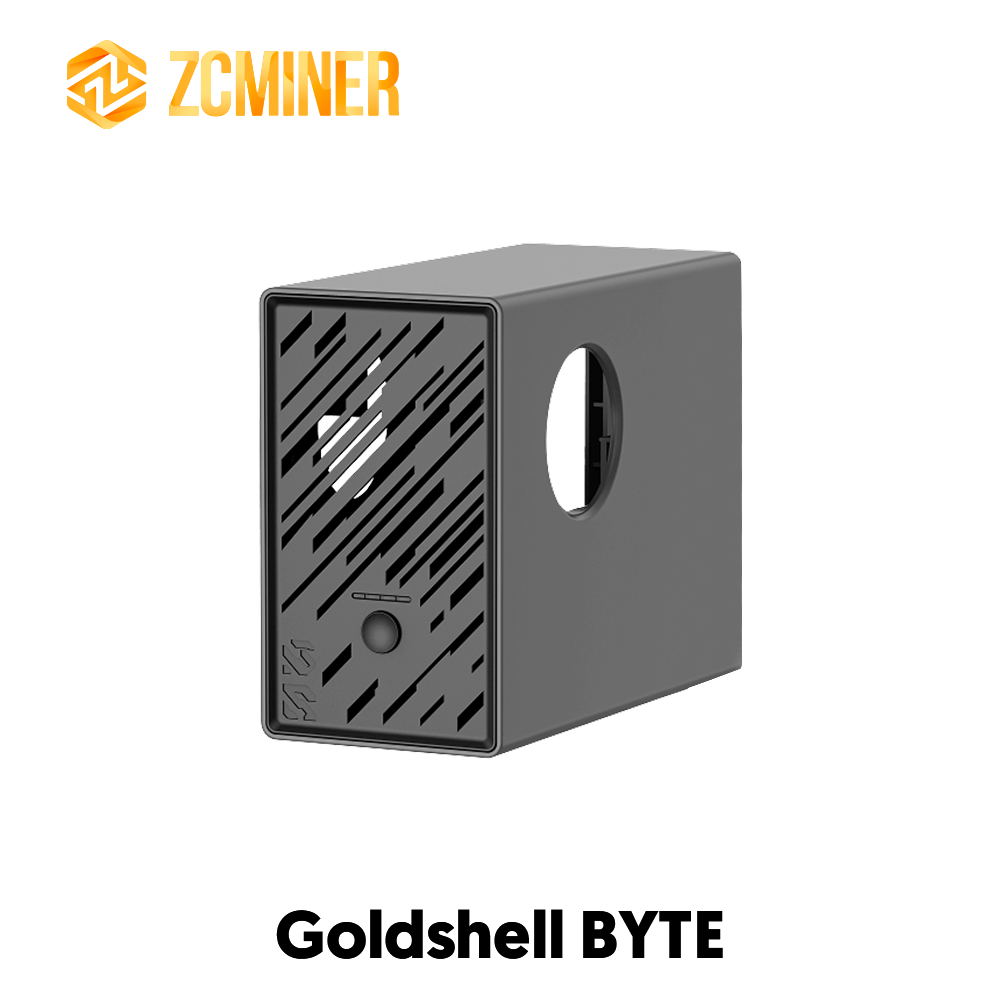
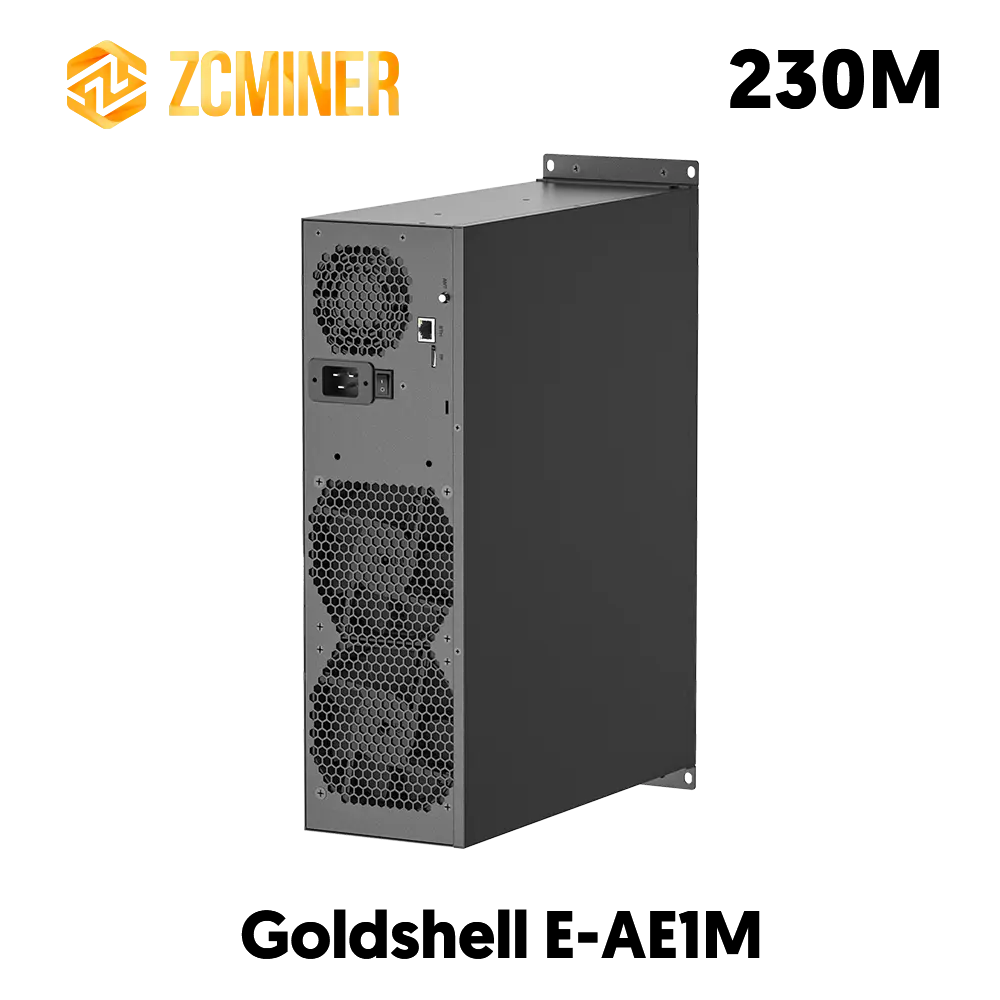


Deja un comentario
Este sitio está protegido por hCaptcha y se aplican la Política de privacidad de hCaptcha y los Términos del servicio.