
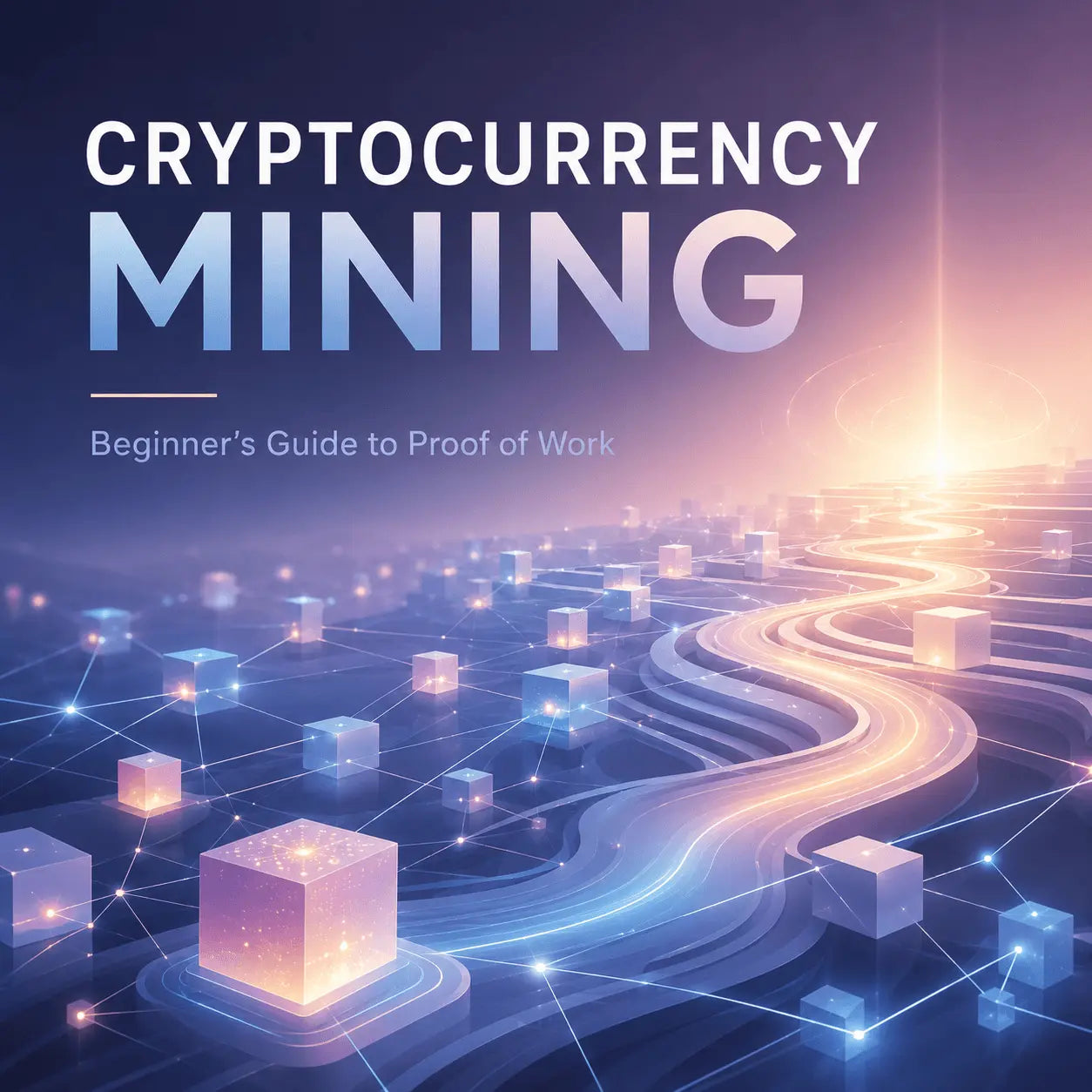
O Que É Mineração de Criptomoedas?
Um Guia Prático para Iniciantes
Prova de trabalho · Hardware ASIC · Pools de mineração · Segurança de rede · Noções básicas de lucratividade
Nesta Página
1O Que Significa Mineração de Criptomoedas
A mineração de criptomoedas é o processo que permite que certas redes blockchain confirmem transações, adicionem novos blocos e emitam novas moedas sem depender de um banco central, processador de pagamentos ou banco de dados controlado por uma empresa. Em uma rede de prova de trabalho, como o Bitcoin, os mineradores usam computadores especializados para competir pelo direito de publicar o próximo bloco de transações. O minerador vencedor recebe a recompensa do bloco e as taxas de transação incluídas nesse bloco.
A palavra "mineração" pode ser enganosa porque os mineradores não estão "cavando" moedas de um solo digital. Eles estão fornecendo trabalho de segurança, gastando eletricidade, vida útil do hardware, capacidade de resfriamento e trabalho técnico para realizar cálculos criptográficos repetidos.
A mineração transforma eletricidade e poder computacional em segurança de rede verificável. As recompensas existem para compensar os mineradores por esse trabalho e incentivar a participação honesta.
2Como a Prova de Trabalho Garante a Segurança de uma Blockchain
A prova de trabalho é um sistema de consenso. Ela ajuda milhares de computadores independentes a concordar com um histórico de transações, mesmo quando não se conhecem ou não confiam uns nos outros. Em vez de pedir a uma autoridade central para aprovar um livro-razão, a rede pede aos mineradores que produzam um bloco cujos dados gerem um hash abaixo de um alvo exigido.
Para o Bitcoin, os mineradores executam repetidamente os dados do bloco através do processo de hashing SHA-256, enquanto alteram um valor chamado nonce e outros campos do bloco. Uma função hash é unidirecional: é fácil verificar uma resposta, mas praticamente impossível fazer a engenharia reversa da entrada exata que produzirá uma saída desejada. É por isso que os mineradores devem tentar um número enorme de possibilidades. Quando um bloco válido aparece, outros nós podem verificá-lo rapidamente e decidir se ele segue as regras.
Este design torna a reescrita do histórico cara. Um invasor que queira substituir blocos confirmados precisaria refazer a prova de trabalho mais rápido do que a rede honesta para a cadeia concorrente.
3O Que os Mineradores Realmente Fazem
O trabalho de um minerador começa com as transações. Os usuários transmitem transações para a rede, e os nós retransmitem transações válidas. O software de mineração reúne um conjunto dessas transações, constrói um bloco candidato e inclui uma transação coinbase especial que paga o minerador ou o pool de mineração se o bloco vencer.
O hardware então busca uma prova válida. Ele muda as entradas, calcula os hashes e verifica se a saída está abaixo do alvo. A maioria das tentativas falha. Isso é normal. A mineração é probabilística, então uma máquina com mais hashrate tem mais chances por segundo, mas nenhum minerador pode saber de antemão qual tentativa terá sucesso.
O Bitcoin também ajusta a dificuldade a cada 2.016 blocos. Se os blocos estão sendo encontrados muito rapidamente, o alvo se torna mais difícil; se estão sendo encontrados muito lentamente, ele se torna mais fácil.
4Hardware de Mineração: CPUs, GPUs, FPGAs e ASICs
A mineração começou como uma atividade de hobby. Nos primeiros anos do Bitcoin, CPUs comuns podiam participar porque a concorrência era baixa. Com a adesão de mais mineradores, as placas de vídeo se tornaram populares porque as GPUs são melhores em cálculos paralelos repetitivos. Mais tarde, as FPGAs ofereceram maior eficiência para alguns algoritmos, sendo ainda hardware programável.
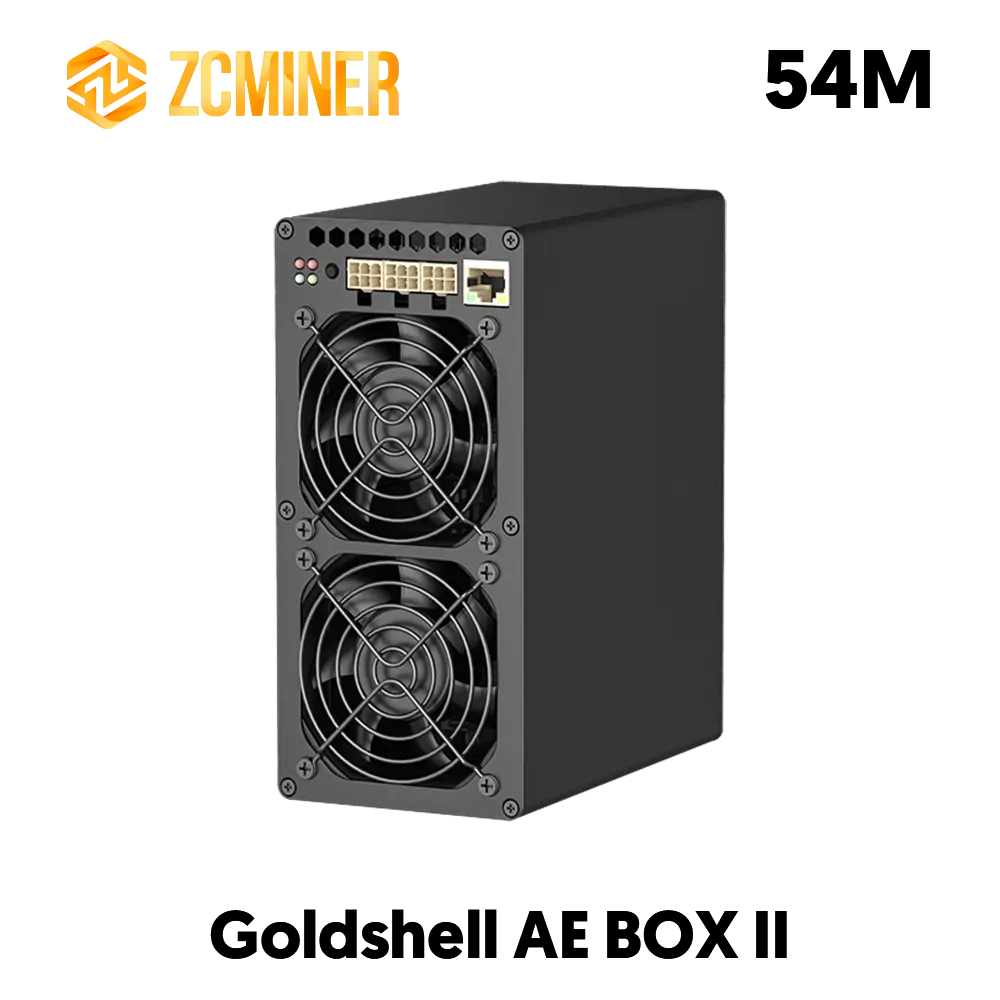
Para grandes redes de prova de trabalho hoje, os ASICs são a tecnologia definidora. Um ASIC, ou circuito integrado de aplicação específica, é construído para uma única função. Um ASIC de Bitcoin não é um computador geral; é uma máquina projetada para calcular hashes SHA-256 o mais rápido e eficientemente possível. Essa especialização cria uma vantagem maciça sobre CPUs e GPUs para o mesmo algoritmo, mas também significa que um ASIC tem uso limitado fora da moeda ou algoritmo para o qual foi projetado.
| Tipo de Hardware | Papel na História da Mineração | Uso Atual |
|---|---|---|
| CPU | Método original de mineração de Bitcoin nos primórdios | Principalmente educacional ou de nicho, não competitivo para Bitcoin |
| GPU | Hardware de mineração paralela usado após as CPUs | Ainda relevante para alguns algoritmos não dominados por ASICs |
| FPGA | Ponte de eficiência programável entre GPU e ASIC | Casos de uso especializados, menos comum para mineradores mainstream |
| ASIC | Hardware de mineração construído para fins específicos | Dominante para Bitcoin e muitas das principais moedas de prova de trabalho |
A escolha do hardware deve sempre corresponder à moeda-alvo. Um minerador SHA-256 de Bitcoin não pode minerar o algoritmo Equihash do Zcash de forma eficiente, e um ASIC de Equihash não pode simplesmente mudar para Bitcoin.
5A Economia da Mineração
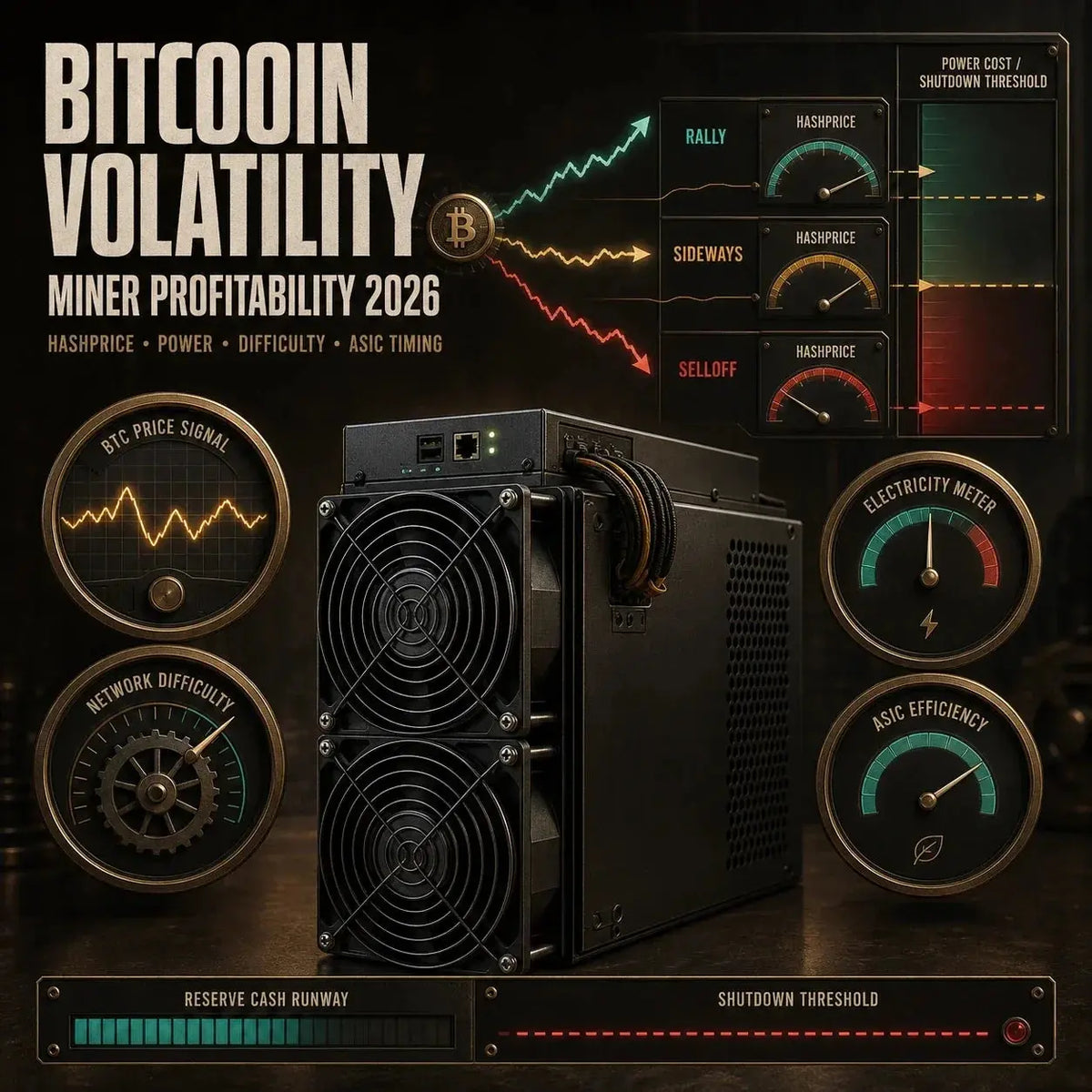
A lucratividade da mineração é um cálculo em constante mudança. Um minerador ganha criptomoeda, mas a maioria dos custos principais é paga em moeda local. Isso cria exposição ao preço da moeda, tarifas de eletricidade, dificuldade, taxas de pool, reparos, hospedagem e depreciação do hardware.
As métricas de hardware mais importantes são o hashrate e a eficiência. Hashrate mede quantos cálculos um minerador pode realizar por segundo. A eficiência, frequentemente mostrada como joules por terahash para ASICs de Bitcoin, mede quanta energia a máquina usa para cada unidade de trabalho. Um J/TH menor é melhor porque a eletricidade é geralmente o maior custo operacional contínuo.
| Métrica | O Que Significa | Por Que Importa |
|---|---|---|
| Hashrate | Poder computacional contribuído por um minerador | Hashrate mais alto oferece mais chances de ganhar recompensas |
| Dificuldade | Alvo da rede que controla a taxa de descoberta de blocos | Dificuldade maior reduz a saída esperada por unidade de hashrate |
| Eficiência | Energia necessária para cada unidade de trabalho | Máquinas mais eficientes sobrevivem melhor a períodos de receita mais baixa |
| Recompensa do Bloco | Novas moedas mais taxas de transação pagas ao bloco vencedor | Determina o pool de receita que os mineradores competem para compartilhar |
| Preço da Energia | Custo por quilowatt-hora ou equivalente hospedado | Frequentemente separa operadores lucrativos de não lucrativos |
Para a maioria dos compradores, a pergunta certa não é "Quanto este minerador pode ganhar hoje?". Uma pergunta mais forte é se a máquina pode sobreviver a preços mais baixos da moeda, maior dificuldade, tempo de inatividade e risco de revenda.
6Mineração Solo vs. Pools de Mineração
A mineração solo significa que um minerador tenta encontrar blocos de forma independente. Ela oferece a recompensa total se um bloco for encontrado, mas as chances são extremamente baixas para pequenos operadores em grandes redes. Um único ASIC pode funcionar por muito tempo sem encontrar um bloco de Bitcoin porque compete contra o hashrate combinado de toda a rede global.
As pools de mineração resolvem esse problema de variância. Muitos mineradores combinam seu hashrate e dividem as recompensas de acordo com o trabalho contribuído. A pool tem maior probabilidade de encontrar blocos regularmente, e os mineradores individuais recebem pagamentos menores, mas mais previsíveis. As pools geralmente cobram uma taxa e usam modelos de pagamento como PPS, FPPS ou PPLNS.
- PPS: paga um valor previsível por shares válidas, geralmente com taxas mais altas porque a pool absorve mais variância.
- FPPS: estende o PPS, contabilizando a receita esperada de taxas de transação, além do subsídio do bloco.
- PPLNS: recompensa os mineradores com base nas shares recentes em torno dos blocos encontrados pela pool, criando mais variância nos pagamentos.
Para iniciantes, a confiabilidade da pool, taxas transparentes, opções de servidor e regras de pagamento mínimo importam tanto quanto a porcentagem de taxa anunciada.
7Segurança, Regulamentação e Considerações Energéticas
A mineração é essencial para a segurança da prova de trabalho, mas não é isenta de riscos. Um minerador enfrenta riscos técnicos como superaquecimento, poeira, ventiladores com defeito, firmware ruim, interrupções de rede e configuração incorreta do pool. Os operadores também enfrentam riscos financeiros decorrentes de preços voláteis de moedas, aumentos de dificuldade, custos de importação, atrasos na garantia e mudanças nas regras de energia locais.
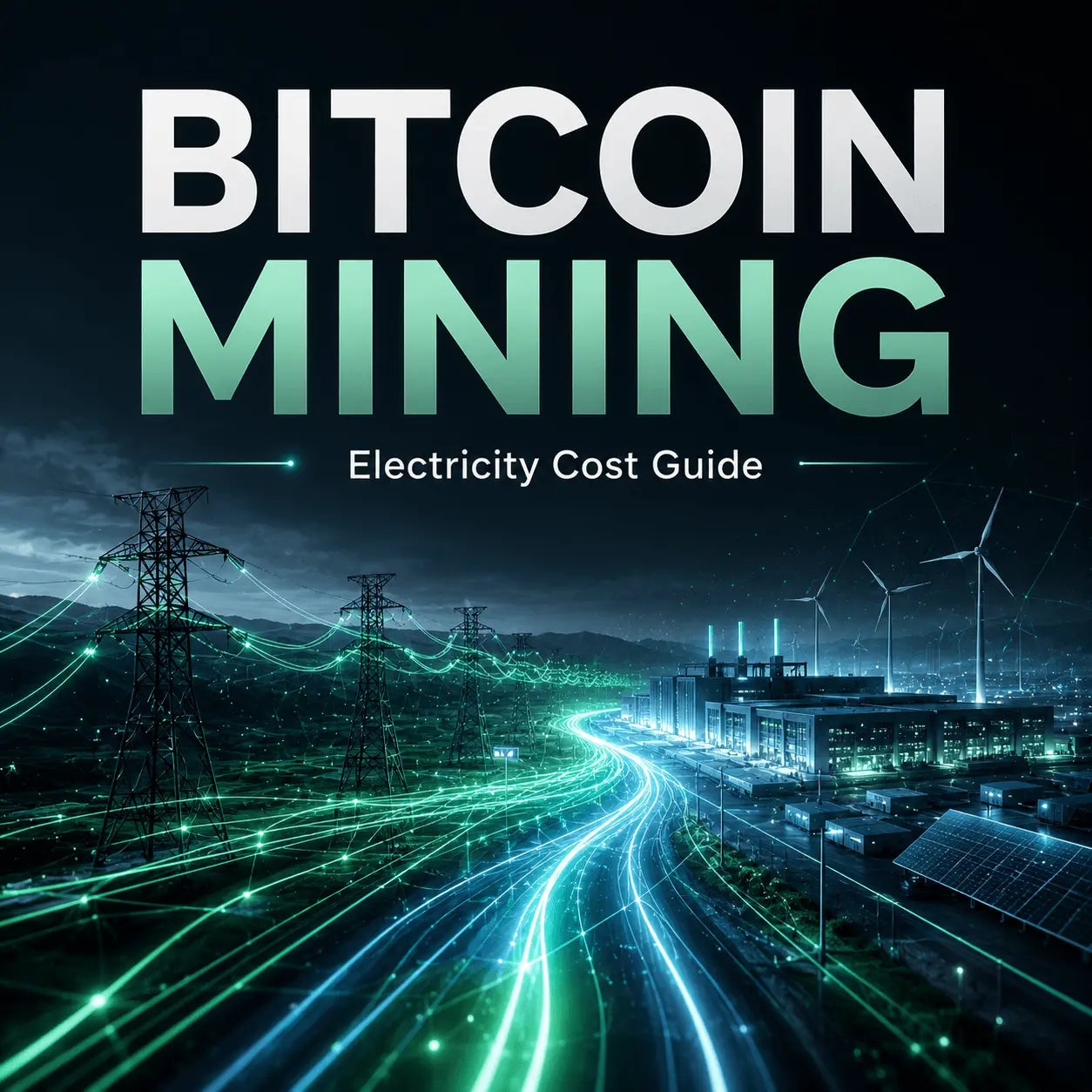
O uso de energia é a questão pública mais debatida. A mineração de Bitcoin consome eletricidade porque a prova de trabalho intencionalmente torna a produção de blocos custosa. O impacto real depende da fonte de energia, localização, comportamento de resposta à demanda e se a mineração desloca outros usos da eletricidade.
Algumas redes abandonaram a prova de trabalho. O Ethereum concluiu sua transição para a prova de participação em 2022, o que removeu a mineração dessa rede e reduziu drasticamente sua demanda de energia. O Bitcoin permaneceu com a prova de trabalho, então o hardware de mineração, o acesso à eletricidade e o ajuste de dificuldade permanecem centrais para seu modelo de segurança.
A mineração é uma decisão de negócios, não uma renda passiva. Confirme os requisitos legais, fiscais, elétricos, de ruído, calor e hospedagem antes de comprar hardware ou assinar um contrato de instalação.
8Para Quem a Mineração de Criptomoedas é Adequada em 2026
A mineração de criptomoedas ainda pode fazer sentido, mas o perfil ideal é mais restrito do que nos primeiros anos. É adequada para pessoas ou empresas que podem gerenciar hardware, garantir energia de baixo custo, tolerar a volatilidade da receita e pensar em ciclos operacionais em vez de retornos da noite para o dia. Não é adequada para alguém que espera que um laptop comum ou um PC gamer minere Bitcoin de forma competitiva.
Mineradores domésticos podem participar por educação, reutilização de calor ou exposição em pequena escala, especialmente onde a eletricidade é barata e o ruído é aceitável. A mineração séria de Bitcoin geralmente exige ASICs, capacidade elétrica adequada, resfriamento, configuração de pool, monitoramento, peças de reposição e um plano para substituir máquinas mais antigas.
O caminho prático para a entrada é escolher a moeda primeiro, confirmar o algoritmo, comparar hardware compatível, calcular o custo de energia, estimar o tempo de atividade realista e testar a lucratividade sob suposições conservadoras. Se os números só funcionarem com um preço alto da moeda ou tempo de atividade perfeito, a margem provavelmente é muito pequena.
Confirme o algoritmo da moeda, compatibilidade do hardware, preço da energia, capacidade elétrica, resfriamento, ruído, escolha da pool, termos de garantia, custos de importação, valor de revenda e lucratividade em caso de queda antes de comprar um minerador.
9FAQ sobre Mineração de Criptomoedas
Posso minerar Bitcoin com um computador normal?
Tecnicamente, você pode executar software de mineração, mas computadores comuns não são competitivos para Bitcoin. A mineração moderna de Bitcoin é dominada por mineradores ASIC SHA-256.
A mineração cria moedas do nada?
A mineração emite novas moedas de acordo com as regras do protocolo. A recompensa é paga por prova de trabalho válida e confirmação de transação, e não por um emissor central.
Por que os mineradores se juntam a pools de mineração?
As pools reduzem a variância do pagamento, combinando o hashrate de muitos mineradores e compartilhando as recompensas com base no trabalho contribuído.
Qual é o maior custo na mineração de criptomoedas?
A eletricidade é geralmente o maior custo recorrente, seguida por hospedagem, resfriamento, manutenção, taxas de pool e depreciação do hardware.
A prova de participação é o mesmo que mineração?
Não. A prova de participação usa validadores e colateral bloqueado em vez de competição de hashing intensiva em energia. O Ethereum não usa mais mineração após sua mudança para a prova de participação.
10Referências e Fontes de Dados
Estas fontes foram selecionadas por serem de nível de protocolo, institucionais ou referências amplamente reconhecidas. Elas abrem em uma nova aba e são marcadas como nofollow.
- Whitepaper do BitcoinDocumento original de design de prova de trabalho e dinheiro eletrônico peer-to-peer de Satoshi Nakamoto.
- Guia do Desenvolvedor Bitcoin: Block ChainReferência técnica para blocos, prova de trabalho, confirmações e seleção de cadeia.
- Referência do Desenvolvedor Bitcoin: getdifficultyReferência orientada ao protocolo para dados de dificuldade de prova de trabalho do Bitcoin.
- Metodologia do Índice de Consumo de Eletricidade de Bitcoin de CambridgeMetodologia institucional para estimar o consumo de eletricidade da mineração de Bitcoin e as suposições de eficiência do hardware.
- Ethereum.org: Consumo de energia do EthereumRecurso oficial do Ethereum explicando o perfil de energia da rede pós-fusão, após se afastar da mineração.
Veredito Final
A mineração de criptomoedas é a camada operacional por trás das blockchains de prova de trabalho. Ela valida transações, protege o livro-razão de reescritas baratas e distribui novas moedas de acordo com regras de protocolo transparentes.
Para os mineradores modernos, o desafio não é mais simplesmente conectar o hardware. A mineração bem-sucedida exige ASICs ou GPUs compatíveis, custos de energia disciplinados, configuração confiável de pool, modelagem de lucratividade conservadora e um plano claro para riscos, manutenção e substituição de hardware.


Deixar comentário
Este site é protegido por hCaptcha e a Política de privacidade e os Termos de serviço do hCaptcha se aplicam.