

A mineração de criptomoedas é frequentemente mal interpretada como uma forma fácil de ganhar dinheiro. Na realidade, é um processo complexo que exige investimento significativo, conhecimento técnico e custos contínuos. A mineração não é mágica — é a espinha dorsal das redes blockchain como o Bitcoin, garantindo segurança e emitindo novas moedas.
Neste guia, vamos detalhar como a mineração de cripto realmente funciona, quais são os custos e por que a ideia de "dinheiro fácil" é em grande parte um mito.
O Que É Mineração de Cripto?
Em sua essência, a mineração de cripto é o processo de validar transações e adicioná-las a um livro-razão de blockchain.
Quando alguém envia criptomoeda:
- A transação é transmitida para a rede
- Ela entra em um pool de transações pendentes (mempool)
- Mineradores coletam e verificam essas transações
A mineração serve a dois propósitos essenciais:
1. Segurança da Rede
A mineração usa um sistema chamado Prova de Trabalho (Proof-of-Work - PoW), que exige esforço computacional real. Isso torna a blockchain:
- À prova de adulteração
- Descentralizada
- Segura contra fraudes
2. Emissão de Novas Moedas
A mineração também é como novas moedas são criadas. Toda vez que um bloco é adicionado:
- O minerador recebe uma recompensa de bloco
- Mais taxas de transação
Sem mineração, não haveria como confirmar transações ou liberar novas criptomoedas em circulação.
Como a Mineração de Cripto Funciona (Passo a Passo)
Embora a tecnologia por trás da mineração seja complexa, o processo pode ser simplificado:
1. Transações São Criadas
Usuários enviam cripto, e as transações entram em um pool pendente.
2. Mineradores Resolvem Quebra-Cabeças Criptográficos
Máquinas de mineração competem para resolver problemas matemáticos adivinhando um valor de hash correto.
3. Bloco É Criado
O primeiro minerador a resolver o quebra-cabeça forma um novo bloco contendo transações verificadas.
4. Bloco É Adicionado à Blockchain
A rede valida o bloco, e ele se torna parte do livro-razão permanente.
5. Minerador Recebe Recompensas
O minerador vencedor ganha:
- Recompensa de bloco (ex: 3.125 BTC após o halving de 2024)
- Taxas de transação
Para manter a consistência, a rede ajusta a dificuldade de mineração para que os blocos sejam produzidos a uma taxa constante (cerca de 10 minutos para o Bitcoin).
Prova de Trabalho (PoW) e Hardware de Mineração
Prova de Trabalho (PoW)
PoW é o mecanismo de consenso por trás das principais criptomoedas como o Bitcoin.
Ele garante:
- Segurança: Ataques exigem poder computacional massivo
- Justiça: Todos os mineradores competem sob as mesmas regras
- Oferta controlada: Recompensas diminuem com o tempo (eventos de halving)
Hardware de Mineração
A mineração hoje é altamente especializada e impulsionada por hardware:
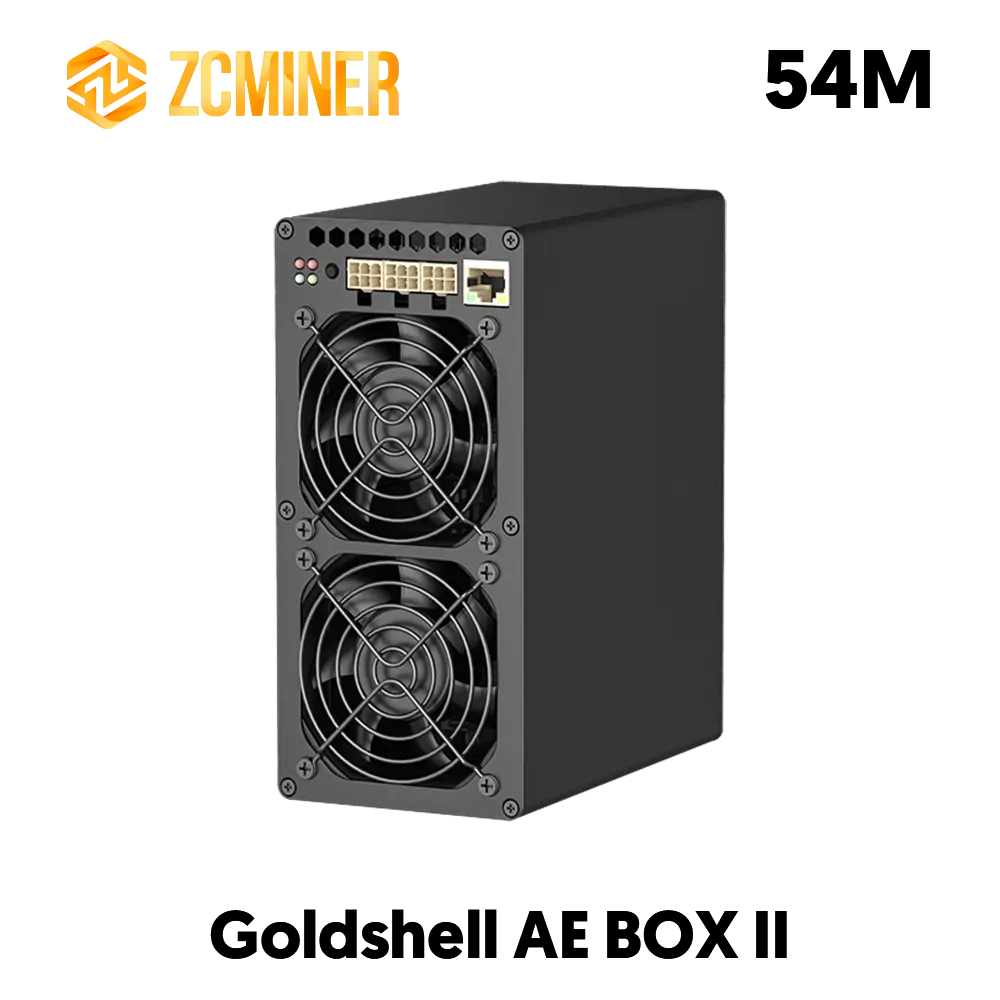
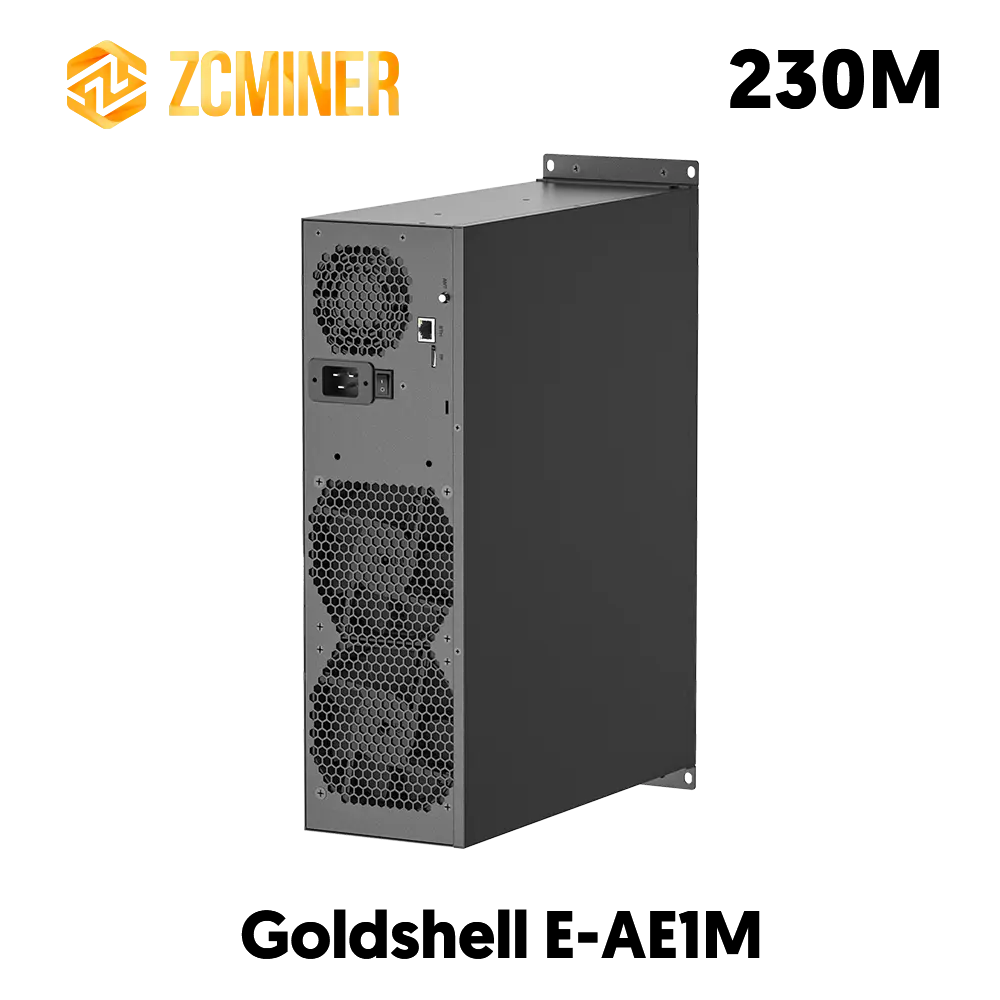
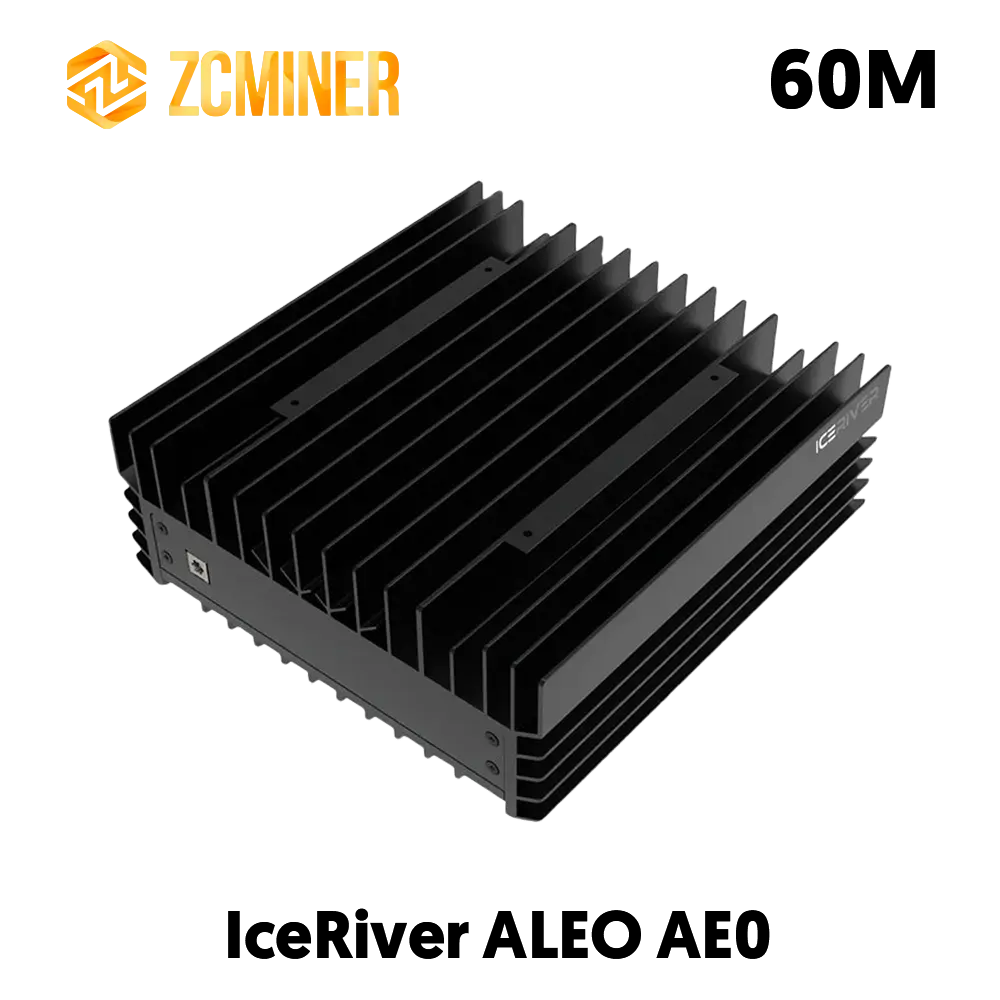
Mineradores ASIC
- Projetados especificamente para mineração
- Extremamente poderosos e eficientes
- Caros (US$ 5.000–US$ 10.000+)
- Usados principalmente para Bitcoin
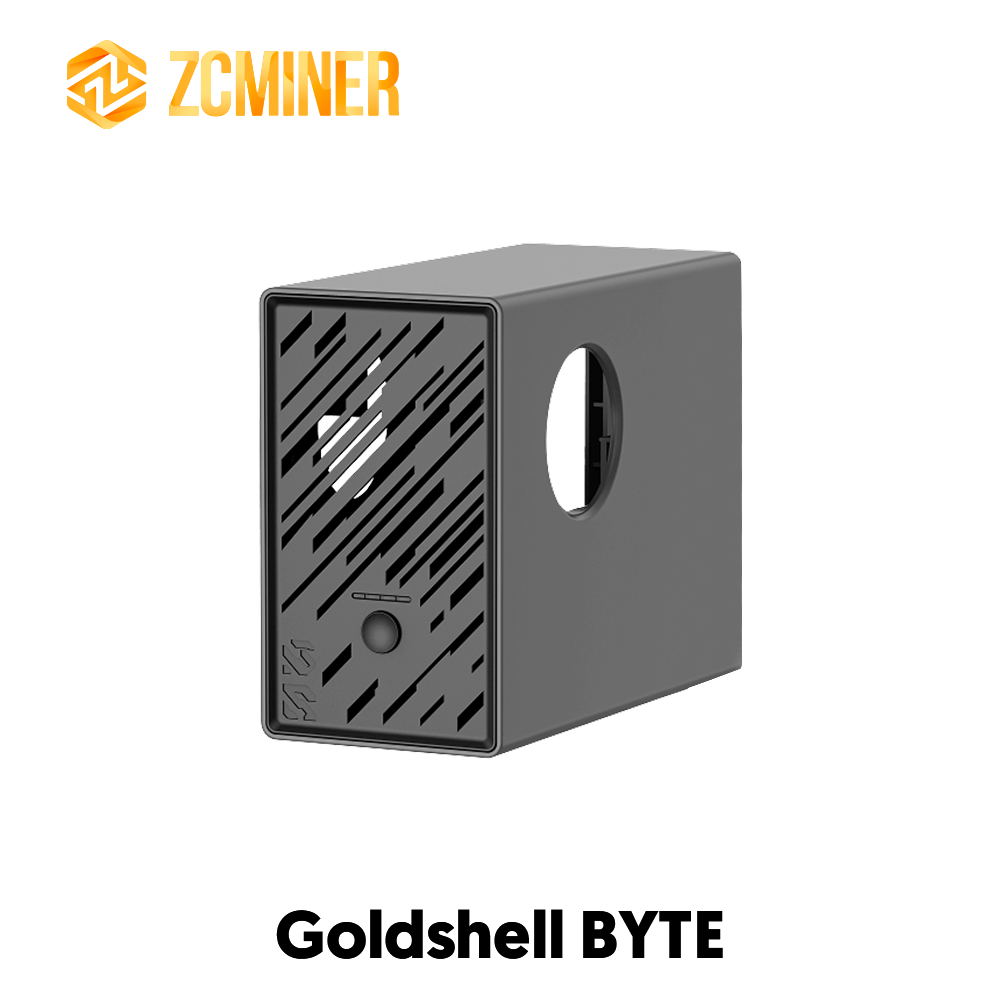
Mineração por GPU
- Flexível e usada para altcoins
- Custo e desempenho moderados
- Popular entre mineradores menores
Mineração por CPU
- Em grande parte obsoleta
- Rentabilidade muito baixa
- Usada apenas para moedas de nicho
Na mineração moderna, os ASICs dominam, enquanto as GPUs permanecem relevantes para certas altcoins.
Por Que a Mineração de Cripto NÃO É "Dinheiro Fácil"
Apesar do que muitos anúncios afirmam, a mineração está longe de ser uma fonte de renda passiva.
1. Altos Custos de Eletricidade
A eletricidade representa até 70–80% dos custos de mineração.
- A mineração lucrativa geralmente exige energia abaixo de US$ 0,05–US$ 0,07/kWh
- Taxas mais altas podem eliminar os lucros por completo
2. Hardware Caro
As plataformas de mineração exigem um grande investimento inicial:
- Máquinas ASIC custam milhares de dólares
- O equipamento se torna obsoleto rapidamente
- É necessário reinvestimento contínuo
3. Aumento da Concorrência
À medida que mais mineradores se juntam:
- A dificuldade de mineração aumenta
- As recompensas individuais diminuem
A mineração solo é agora quase impossível para pequenos jogadores.
4. Volatilidade do Mercado
Os preços das criptos flutuam muito:
- Uma queda de preço pode eliminar os lucros instantaneamente
- A renda da mineração é imprevisível
5. Custos Adicionais
A mineração envolve mais do que apenas hardware e energia:
- Sistemas de refrigeração
- Manutenção e reparos
- Taxas de pool de mineração (1–3%)
- Infraestrutura e espaço
6. Halving Reduz Recompensas
A cada poucos anos:
- As recompensas de bloco são reduzidas pela metade
- Mineradores ganham menos pelo mesmo trabalho
Comparação de Métodos de Mineração (2026)
| Método | Nível de Custo | Dificuldade | Rentabilidade |
|---|---|---|---|
| Mineração ASIC | Alta | Alta | Alta (com energia barata) |
| Mineração por GPU | Média | Média | Moderada |
| Mineração por CPU | Baixa | Baixa | Muito baixa |
| Mineração em Nuvem | Variável | Fácil | Arriscada |
⚠️ A mineração em nuvem pode parecer fácil, mas frequentemente vem com taxas ocultas ou golpes.
Impacto Ambiental da Mineração
A mineração de cripto levantou preocupações ambientais:
Consumo de Energia
- A mineração de Bitcoin usa muita eletricidade globalmente
- Comparável a países pequenos
Emissões de Carbono
- Emissão significativa de CO₂ dependendo da fonte de energia
Lixo Eletrônico
- O hardware ASIC se torna obsoleto rapidamente
- Gera grandes quantidades de lixo eletrônico
Tendências Positivas
- Mais de 50% da mineração agora usa energia renovável
- Crescimento da mineração movida a energia hidrelétrica, solar e eólica
A Mineração de Cripto Ainda Vale a Pena?
Operações em Larga Escala
A mineração ainda pode ser lucrativa se você tiver:
- Eletricidade barata
- Configuração em escala industrial
- Hardware eficiente
Mineradores Individuais
Para a maioria dos indivíduos:
- Os lucros são pequenos ou instáveis
- Frequentemente viável apenas como hobby ou projeto secundário
Muitos escolhem:
- Minerar altcoins
- Juntar-se a pools de mineração
- Ou simplesmente comprar cripto em vez disso
O Futuro da Mineração de Cripto
A mineração está evoluindo rapidamente com várias tendências importantes:
Otimização por IA
- Sistemas inteligentes otimizam o desempenho e a rentabilidade
Energia Renovável
- Mudança para fontes de energia sustentáveis
Hardware Melhor
- ASICs e sistemas de refrigeração mais eficientes
Aumento da Regulamentação
- Governos estão introduzindo regras mais rígidas
Profissionalização da Indústria
- A mineração está sendo dominada por operações em larga escala
Considerações Finais
A mineração de cripto não é um atalho para a riqueza. É uma indústria intensiva em capital, competitiva e de alto risco.
Embora os lucros sejam possíveis, eles dependem de:
- Custos de eletricidade
- Eficiência do hardware
- Condições de mercado
Para a maioria das pessoas, a mineração não é mais "dinheiro fácil" — é um negócio sério que exige planejamento cuidadoso e expectativas realistas.
Referências
-
How Does Bitcoin Mining Work? A Beginner’s Guide.
-
Bitcoin Mining, Explained.
-
Cambridge Bitcoin Electricity Consumption Index (CBECI).
-
Bitcoin’s Climate Impact and Electronic Waste Reports.
-
Reports on Bitcoin Mining Industry and Regulation.
-
Crypto Mining Guides and Industry Insights.
-
Mining Profitability and Cost Analysis Reports.
-
Bitcoin Mining News and Market Analysis.
-
Crypto Market and Mining Profitability Coverage.




Deixar comentário
Este site é protegido por hCaptcha e a Política de privacidade e os Termos de serviço do hCaptcha se aplicam.