

Le minage de crypto-monnaie est souvent considéré à tort comme un moyen simple de gagner de l’argent. En réalité, il s’agit d’un processus complexe qui nécessite des investissements importants, des connaissances techniques et des coûts permanents. Le minage n’est pas magique : c’est l’épine dorsale des réseaux blockchain comme Bitcoin, garantissant la sécurité lors de l’émission de nouvelles pièces.
Dans ce guide, nous expliquerons comment fonctionne réellement le minage de cryptomonnaies, ce que cela coûte et pourquoi l’idée de « l’argent facile » est en grande partie un mythe.
Qu’est-ce que le minage de cryptomonnaies ?
À la base, le minage de cryptomonnaies est le processus de valider les transactions et les ajouter à un registre blockchain.
Quand quelqu’un envoie de la cryptomonnaie :
- La transaction est diffusée sur le réseau
- Il entre dans un pool de transactions en attente (mempool)
- Les mineurs collectent et vérifient ces transactions
L'exploitation minière sert deux objectifs essentiels:
1. Sécurité du réseau
Le minage utilise un système appelé Proof-of-Work (PoW), qui nécessite un réel effort de calcul. Cela rend la blockchain :
- Inviolable
- Décentralisé
- Protégé contre la fraude
2. Nouvelle émission de pièces
L’exploitation minière est également la manière dont de nouvelles pièces sont créées. Chaque fois qu'un bloc est ajouté :
- Le mineur reçoit un bloquer la récompense
- Plus les frais de transaction
Sans le minage, il n’y aurait aucun moyen de confirmer les transactions ou de mettre en circulation de nouvelles cryptomonnaies.
Comment fonctionne le minage de crypto-monnaie (étape par étape)
Bien que la technologie derrière l’exploitation minière soit complexe, le processus peut être simplifié :
1. Les transactions sont créées
Les utilisateurs envoient des crypto-monnaies et les transactions entrent dans un pool en attente.
2. Les mineurs résolvent des énigmes cryptographiques
Les machines minières rivalisent pour résoudre des problèmes mathématiques en devinant une valeur de hachage correcte.
3. Le bloc est créé
Le premier mineur à résoudre le puzzle forme un nouveau bloc contenant les transactions vérifiées.
4. Le bloc est ajouté à la blockchain
Le réseau valide le bloc et il devient partie intégrante du grand livre permanent.
5. Le mineur reçoit des récompenses
Le mineur gagnant gagne :
- Récompense de bloc (par exemple, 3,125 BTC après la réduction de moitié de 2024)
- Frais de transaction
Pour maintenir la cohérence, le réseau ajuste la difficulté de minage afin que les blocs soient produits à un rythme constant (environ toutes les 10 minutes pour Bitcoin).
Preuve de travail (PoW) et matériel minier
Preuve de travail (PoW)
PoW est le mécanisme de consensus derrière les principales crypto-monnaies comme Bitcoin.
Il assure :
- Sécurité: Les attaques nécessitent une puissance de calcul massive
- Équité: Tous les mineurs concourent selon les mêmes règles
- Approvisionnement contrôlé: Les récompenses diminuent avec le temps (diminution de moitié des événements)
Matériel minier
Aujourd’hui, le minage est hautement spécialisé et axé sur le matériel :
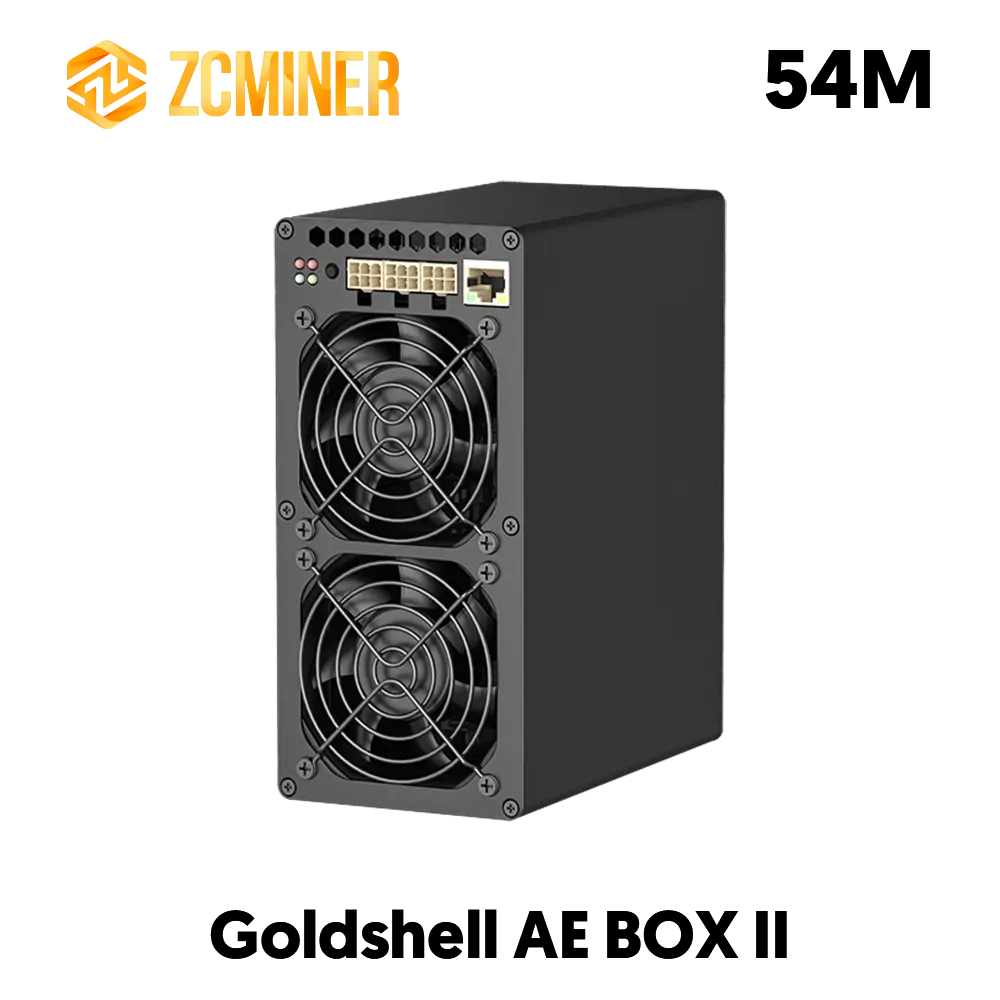
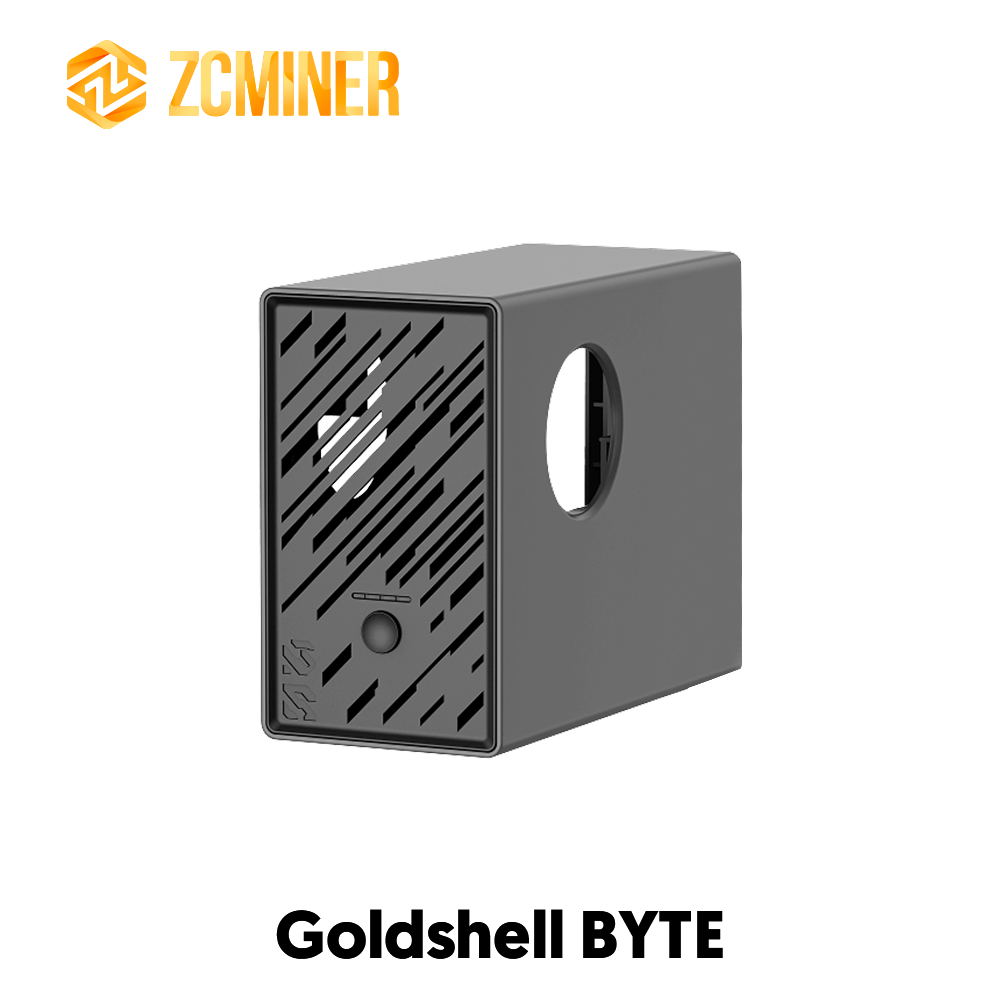
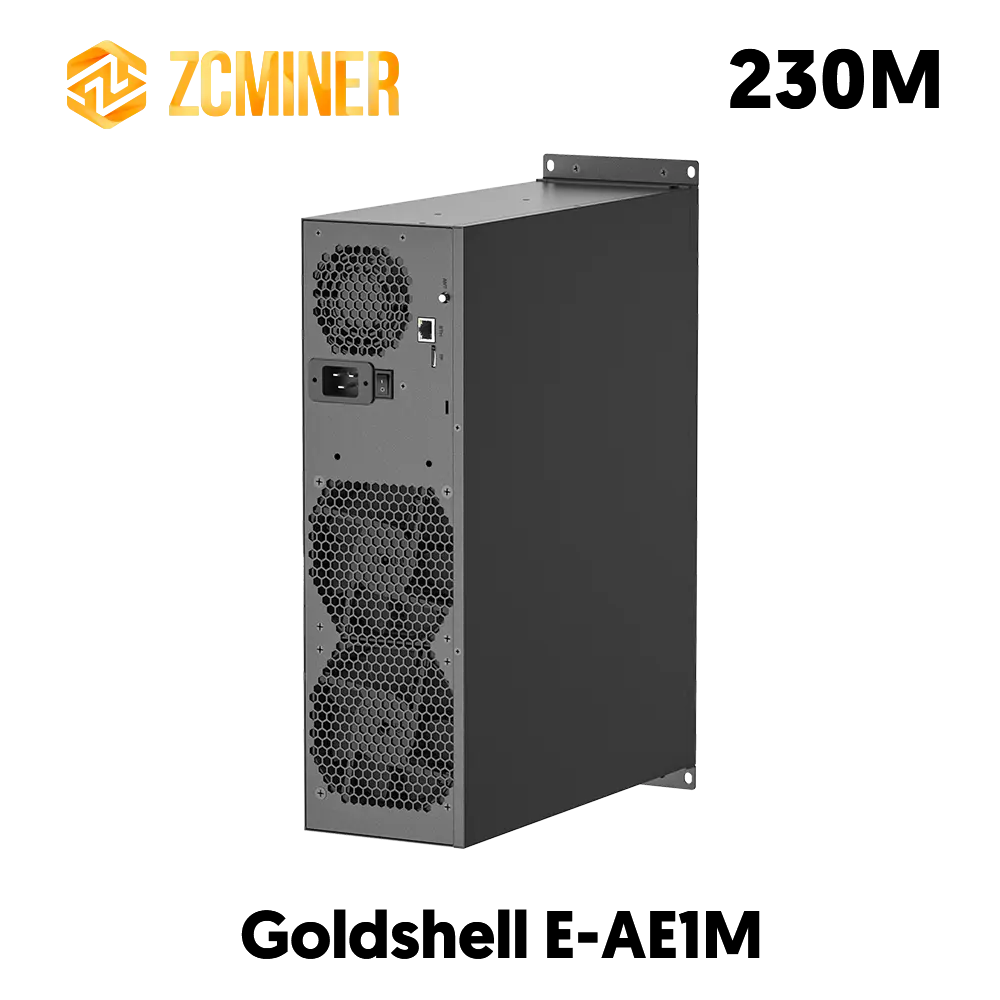
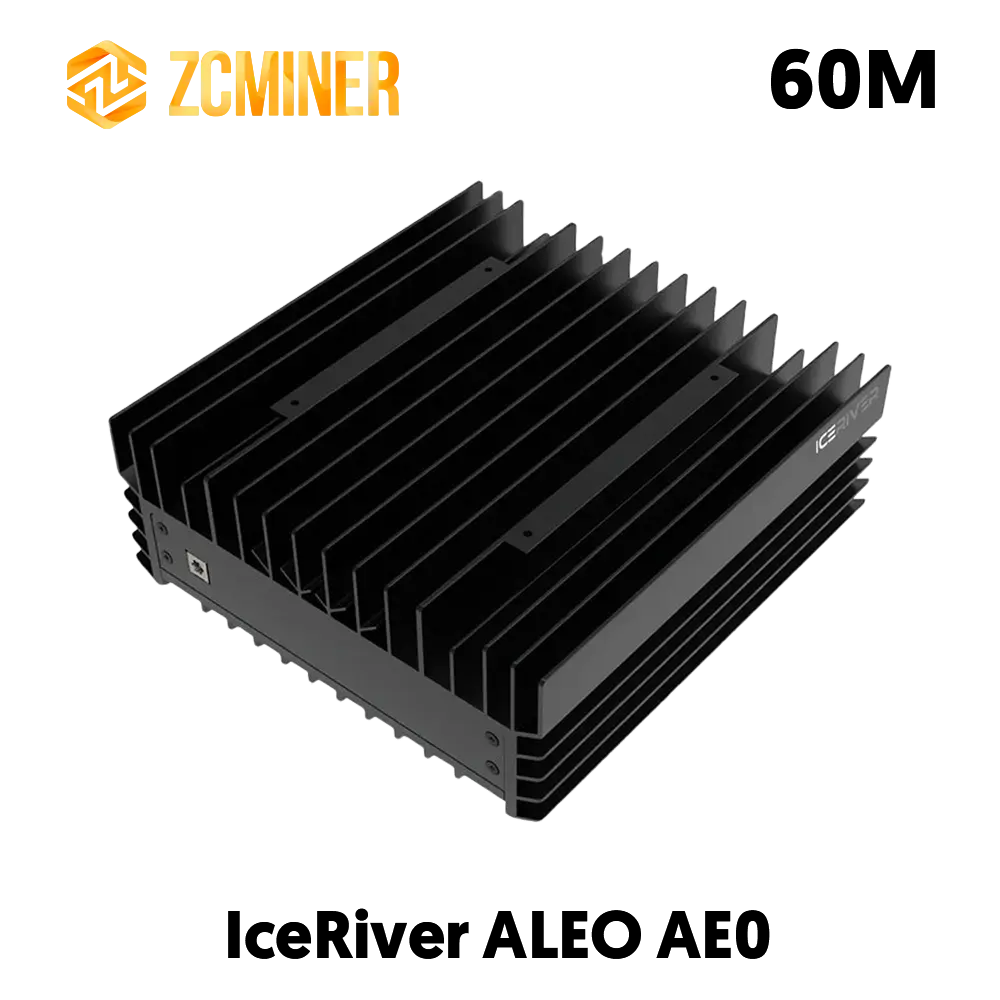
Mineurs ASIC
- Conçu spécifiquement pour l'exploitation minière
- Extrêmement puissant et efficace
- Cher (5 000 $ à 10 000 $ et plus)
- Utilisé principalement pour Bitcoin
Extraction de GPU
- Flexible et utilisé pour les altcoins
- Coût et performances modérés
- Populaire parmi les petits mineurs
Exploitation du processeur
- Surtout obsolète
- Rentabilité très faible
- Utilisé uniquement pour les pièces de niche
Dans l'exploitation minière moderne, Les ASIC dominent, tandis que les GPU restent pertinents pour certains altcoins.
Pourquoi le minage de crypto n'est PAS de l'argent facile
Malgré ce que prétendent de nombreuses publicités, l’exploitation minière est loin d’être une source de revenus passive.
1. Coûts élevés de l’électricité
L'électricité représente jusqu'à 70 à 80 % des dépenses minières.
- Une exploitation minière rentable nécessite généralement une énergie inférieure à 0,05 $ – 0,07 $/kWh.
- Des taux plus élevés peuvent éliminer complètement les bénéfices
2. Matériel coûteux
Les plates-formes minières nécessitent un investissement initial important :
- Les machines ASIC coûtent des milliers de dollars
- Les équipements deviennent rapidement obsolètes
- Un réinvestissement continu est nécessaire
3. Concurrence croissante
À mesure que de plus en plus de mineurs nous rejoignent :
- La difficulté du minage augmente
- Les récompenses individuelles diminuent
Le minage en solo est désormais presque impossible pour les petits acteurs.
4. Volatilité du marché
Les prix des cryptomonnaies fluctuent fortement :
- Une baisse des prix peut instantanément anéantir les bénéfices
- Les revenus miniers sont imprévisibles
5. Coûts supplémentaires
Le minage implique bien plus que du matériel et de l’énergie :
- Systèmes de refroidissement
- Entretien et réparations
- Frais de pool minier (1 à 3 %)
- Infrastructures et espace
6. Réduire de moitié réduit les récompenses
Toutes les quelques années :
- Les récompenses de bloc sont réduites de moitié
- Les mineurs gagnent moins pour le même travail
Comparaison des méthodes d'exploitation minière (2026)
| Méthode | Niveau de coût | Difficulté | Rentabilité |
|---|---|---|---|
| Exploitation minière ASIC | Élevé | Élevé | Élevé (avec une énergie bon marché) |
| Extraction de GPU | Moyen | Moyen | Modéré |
| Exploitation du processeur | Faible | Faible | Très faible |
| Exploitation minière en nuage | Variable | Facile | Risqué |
⚠️ Le cloud mining peut sembler facile, mais il s'accompagne souvent de frais cachés ou d'escroqueries.
Impact environnemental de l'exploitation minière
Le minage de cryptomonnaies a soulevé des préoccupations environnementales :
Consommation d'énergie
- L’exploitation minière de Bitcoin utilise massivement de l’électricité à l’échelle mondiale
- Comparable aux petits pays
Émissions de carbone
- Émission importante de CO₂ en fonction de la source d’énergie
Déchets électroniques
- Le matériel ASIC devient rapidement obsolète
- Génère de grandes quantités de déchets électroniques
Tendances positives
- Plus de 50 % de l’exploitation minière utilise désormais des énergies renouvelables
- Croissance de l’exploitation minière hydroélectrique, solaire et éolienne
Le minage de crypto-monnaie en vaut-il toujours la peine ?
Opérations à grande échelle
Le minage peut toujours être rentable si vous avez :
- Électricité pas chère
- Installation à l'échelle industrielle
- Matériel efficace
Mineurs individuels
Pour la plupart des particuliers :
- Les bénéfices sont faibles ou instables
- Souvent viable uniquement comme passe-temps ou projet parallèle
Beaucoup choisissent de :
- Extraire des altcoins
- Rejoignez les pools miniers
- Ou achetez simplement des cryptos à la place
L’avenir du minage de cryptomonnaies
L’exploitation minière évolue rapidement avec plusieurs tendances clés :
Optimisation de l'IA
- Les systèmes intelligents optimisent les performances et la rentabilité
Énergie renouvelable
- Transition vers des sources d’énergie durables
Meilleur matériel
- ASIC et systèmes de refroidissement plus efficaces
Réglementation accrue
- Les gouvernements introduisent des règles plus strictes
Professionnalisation de l'industrie
- L’exploitation minière est de plus en plus dominée par les opérations à grande échelle
Pensées finales
Le minage de crypto n’est pas un raccourci vers la richesse. C'est un industrie à forte intensité de capital, compétitive et à haut risque.
Si des bénéfices sont possibles, ils dépendent :
- Coûts de l'électricité
- Efficacité matérielle
- Conditions du marché
Pour la plupart des gens, l’exploitation minière n’est plus « de l’argent facile » : c’est une activité sérieuse qui nécessite une planification minutieuse et des attentes réalistes.
Références
-
Comment fonctionne le minage de Bitcoin ? Un guide du débutant.
-
Minage de Bitcoin, expliqué.
-
Indice de consommation d’électricité de Cambridge Bitcoin (CBECI).
-
Rapports sur l'impact climatique et les déchets électroniques de Bitcoin.
-
Rapports sur l'industrie minière et la réglementation du Bitcoin.
-
Guides de minage de crypto et informations sur l'industrie.
-
Rapports d'analyse de la rentabilité et des coûts miniers.
-
Actualités minières Bitcoin et analyse du marché.
-
Couverture du marché de la cryptographie et de la rentabilité minière.




Laisser un commentaire
Ce site est protégé par hCaptcha, et la Politique de confidentialité et les Conditions de service de hCaptcha s’appliquent.