
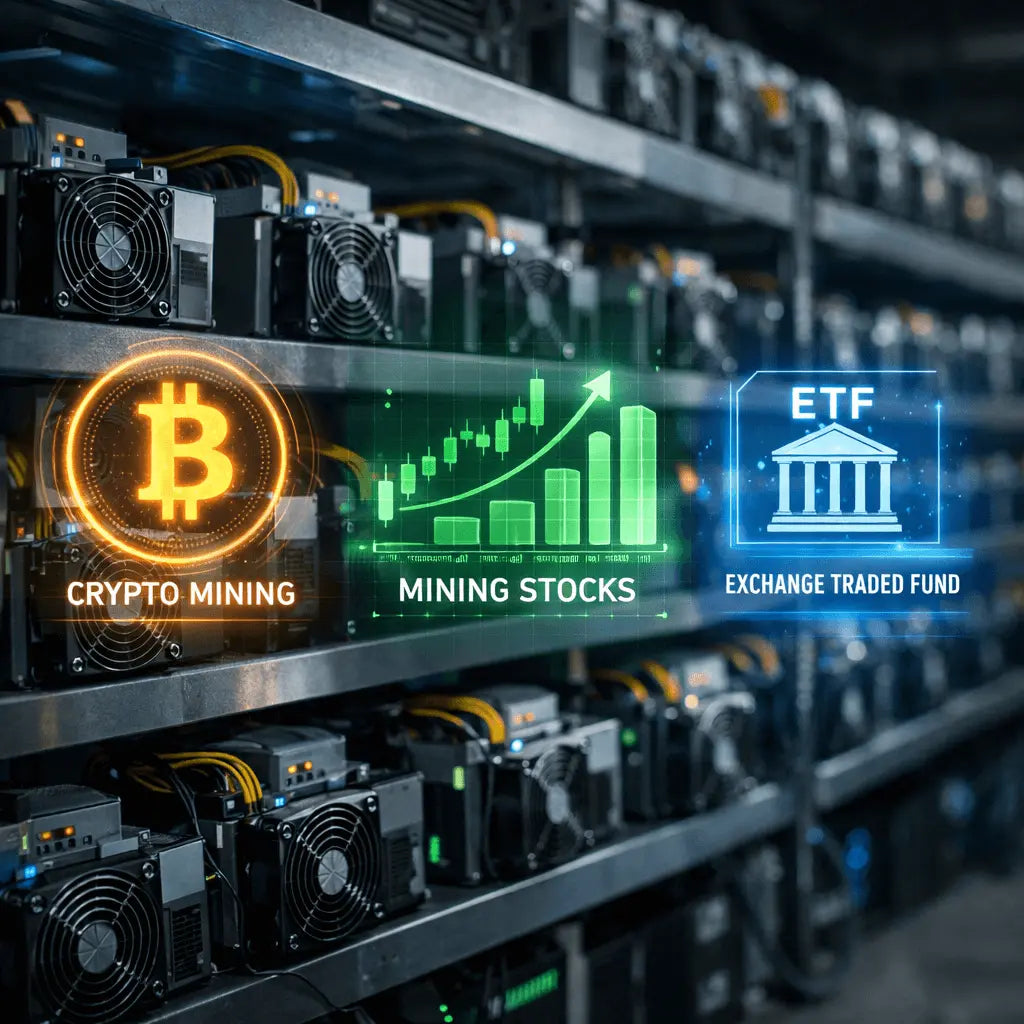
La minería de criptomonedas se ha convertido en un sector industrial global que ofrece a los inversores múltiples formas de exponerse al ecosistema de Bitcoin. Hoy en día, la participación en la industria minera ya no se limita a operar plataformas mineras. Los inversores también pueden ganar exposición a través de empresas mineras que cotizan en bolsa o fondos cotizados en bolsa (ETF) centrado en la infraestructura criptográfica.
A principios de 2026, Bitcoin cotiza alrededor de $68,500, por debajo de un máximo cercano a los 90.000 dólares a principios de año. Mientras tanto, la red Bitcoin ha superado 1,0 zettahash por segundo (ZH/s) en la tasa de hash total, lo que refleja el crecimiento masivo de la capacidad minera global. La dificultad de la minería en red también se ha mantenido volátil, alcanzando alrededor de 144 billones para febrero de 2026.
Estas tres variables—Precio de Bitcoin, dificultad de la red y tasa de hash global—son los principales impulsores de la rentabilidad minera actual.
Comprender cómo estos factores afectan los retornos de la minería es esencial al comparar las tres formas principales de invertir en el sector minero: minería directa de criptomonedas, acciones mineras y ETF relacionados con criptomonedas.
Minería directa de criptomonedas
Cómo funciona la minería directa
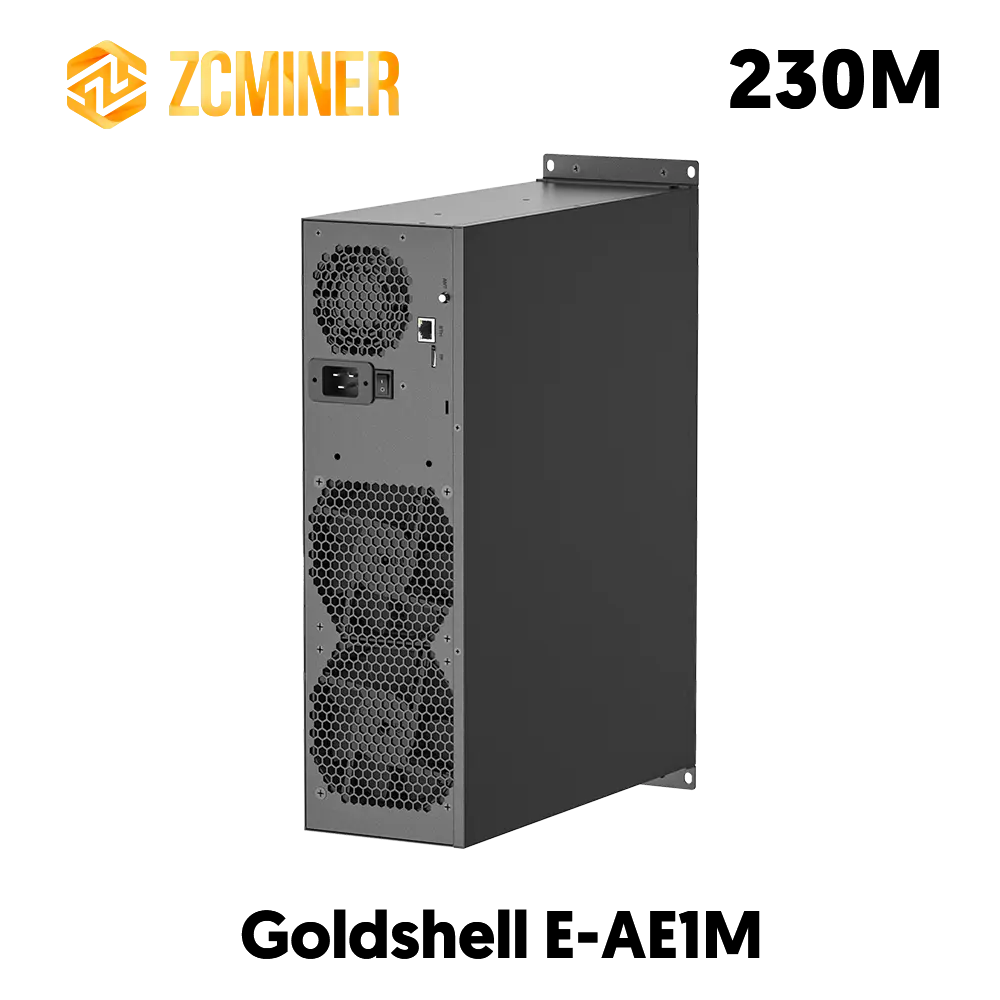
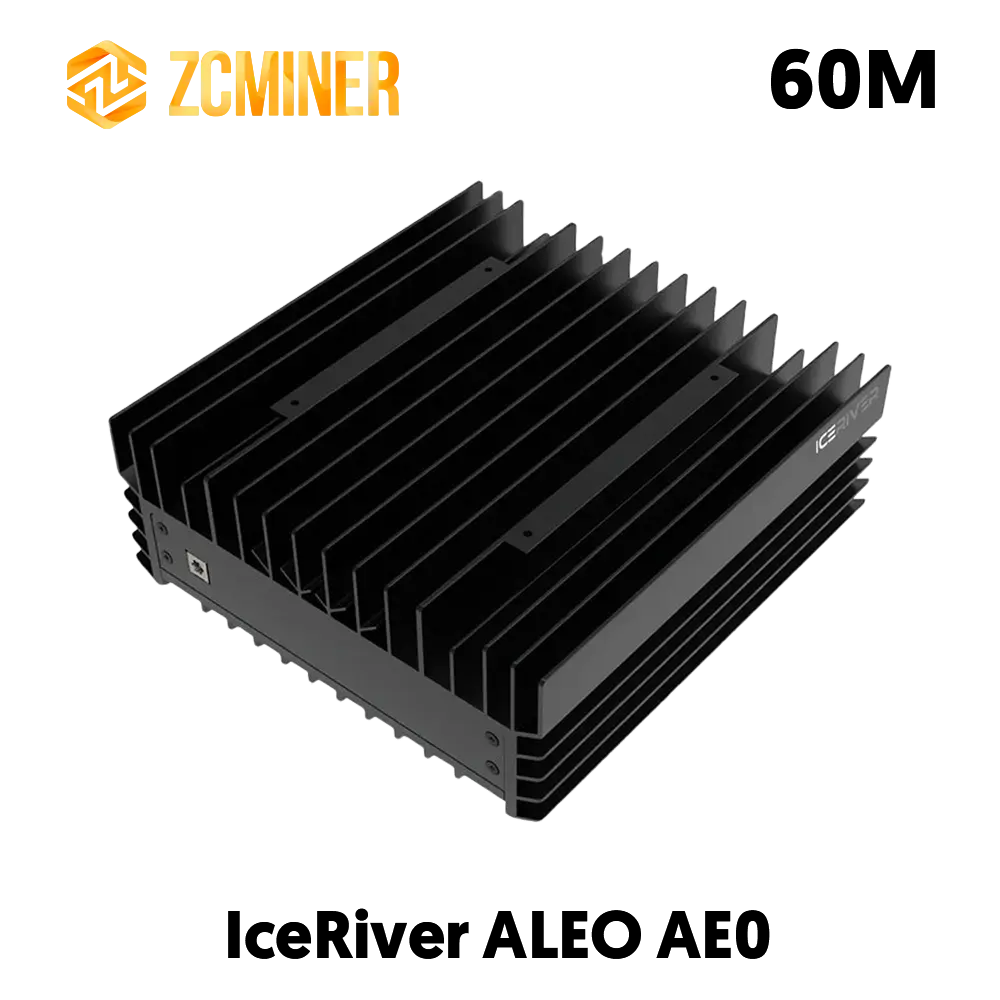
La minería directa implica la compra de hardware especializado como Mineros ASIC y participar en la red Bitcoin para validar transacciones y ganar recompensas en bloque. Actualmente, cada bloque minado genera 3.125 BTC más tarifas de transacción.
La mayoría de los mineros participan en piscinas mineras, combinando potencia computacional para mejorar la consistencia de las recompensas.
Sin embargo, la minería es a la vez intensivo en capital y operativamente complejo. La rentabilidad depende de varios factores clave:
-
precio de bitcóin
-
Dificultad de la red y tasa de hash global
-
Eficiencia del hardware minero
-
Costos de electricidad
Entre estos, La electricidad es la variable de coste más crítica..
Las investigaciones de la industria sugieren que la minería generalmente es rentable sólo cuando los precios de la electricidad se mantienen entre $0.05 y $0.10 por kWh y cuando los mineros operan hardware moderno con una eficiencia inferior 20 julios por terahash (J/TH). Tarifas de electricidad residencial en muchas regiones, a menudo $0,12–$0,18 por kWh—hacen que las operaciones mineras nacionales sean difíciles de sostener.
Costos operativos y hardware
La electricidad normalmente representa 75–85% de los gastos operativos de una operación minera.
Por ejemplo, un ASIC de alto rendimiento como un minero de 3645 vatios costaría:
-
acerca de $131 por mes a $0.05/kWh
-
acerca de $262 por mes a $0,10/kWh
La eficiencia del hardware juega un papel fundamental. Mineros mayores con eficiencia superior 30 J/J sólo puede alcanzar el punto de equilibrio en condiciones de energía extremadamente barata. Por el contrario, los mineros ASIC modernos de alta gama que operan alrededor 15 J/TH o menos puede producir una potencia de hash por vatio significativamente mayor.
El hardware también queda obsoleto rápidamente. Cada generación de mineros ASIC a menudo mejora la eficiencia energética al 20-40% anual, lo que obliga a los operadores a actualizar continuamente los equipos para seguir siendo competitivos.
Inversión de capital
Iniciar una operación minera requiere un capital sustancial.
-
Los mineros ASIC individuales suelen costar $2,000 a $15,000
-
un Instalación minera de 1 MW puede costar aproximadamente Entre 700.000 y 1 millón de dólares construir y equipar
Las estimaciones de la industria sugieren que el costo promedio de producir un Bitcoin osciló entre $49.000 y $75.000 durante 2025, dependiendo en gran medida de los contratos de electricidad.
Algunas empresas mineras con energía extremadamente barata han informado costos mucho más bajos, mientras que otras con gastos generales más altos pueden exceder $80,000 por BTC al contabilizar completamente los gastos operativos.
Ventajas de la minería directa
-
Propiedad total de Bitcoin minado
-
Máximo control sobre las operaciones mineras
-
Rentabilidades potencialmente muy altas durante los mercados alcistas
Desafíos
-
Alta inversión de capital inicial
-
Se requiere experiencia técnica
-
Mantenimiento y refrigeración de hardware.
-
Rentabilidad muy sensible a los precios de la electricidad
La minería directa tiende a funcionar mejor para grandes operadores o inversores con acceso a electricidad muy barata, como las hidroeléctricas o las fuentes de energía estancadas.
Acciones de criptominería
Otra forma popular de ganar exposición a la industria minera es a través de empresas mineras que cotizan en bolsa.
Las principales empresas mineras operan instalaciones a escala industrial con miles de máquinas ASIC. Ejemplos conocidos incluyen empresas como Marathon Digital, Riot Platforms, CleanSpark, Hut 8, Bitfarms y TeraWulf.
Estas empresas generan ingresos extrayendo Bitcoin y, a menudo, mantienen importantes reservas de BTC en sus balances.
Rendimiento y crecimiento
Las empresas mineras públicas han experimentado un rápido crecimiento durante los ciclos de mercado recientes.
Por ejemplo:
-
Una importante empresa minera informó más de 250 millones de dólares en ingresos trimestrales en 2025, representando casi doble crecimiento interanual.
-
Otro gran operador producido 5.600+ BTC en 2025, con ingresos anuales que alcanzan más de 640 millones de dólares.
-
CleanSpark informó 766 millones de dólares en ingresos y se volvió rentable después de expandir rápidamente su capacidad de hashrate.
Estas empresas se benefician de economías de escala, lo que les permite negociar tarifas eléctricas más bajas, comprar hardware al por mayor y recaudar capital para la expansión.
Ventajas de las acciones mineras
-
No es necesario gestionar hardware ni instalaciones.
-
Exposición a operaciones mineras a gran escala
-
A menudo superan a Bitcoin durante los mercados alcistas
Las acciones mineras a menudo actúan como exposición apalancada a los movimientos de precios de Bitcoin. Cuando Bitcoin sube, las ganancias mineras aumentan dramáticamente debido a costos operativos relativamente fijos.
Riesgos de las acciones mineras
A pesar del potencial alcista, las acciones mineras también conllevan riesgos únicos:
-
Mala gestión de la empresa
-
Dilución del capital por recaudación de fondos
-
Obligaciones de deuda
-
Cambios regulatorios que afectan las operaciones mineras
Durante las crisis del mercado, las acciones mineras pueden caer mucho más bruscamente que el propio Bitcoin.
ETF de criptomonedas y minería
Para inversores que buscan exposición más simple y diversificada, los fondos cotizados en bolsa ofrecen una alternativa accesible.
Los ETF relacionados con las criptomonedas generalmente se dividen en tres categorías:
Spot ETF de Bitcoin
Estos fondos mantienen directamente Bitcoin y rastrean su precio de mercado. Los ejemplos lanzados en los últimos años permiten a los inversores ganar exposición a través de cuentas de corretaje tradicionales sin la autocustodia de los criptoactivos.
Las tarifas de gestión típicas oscilan entre 0,15% y 1% anual.
ETF de acciones mineras
Los ETF centrados en la minería invierten en múltiples empresas mineras que cotizan en bolsa. Algunos fondos se mantienen 20 o más empresas mineras, incluidas empresas como Marathon, Riot, CleanSpark y Bitfarms.
Esta diversificación reduce el riesgo asociado con empresas individuales mientras mantiene la exposición a la industria minera.
ETF de blockchain y criptoinfraestructura
Los ETF de blockchain más amplios incluyen una combinación de empresas mineras, intercambios de criptomonedas, fabricantes de semiconductores y empresas de tecnología blockchain.
Estos fondos proporcionan exposición a la todo el ecosistema criptográfico, en lugar de limitarse a la minería.
Ventajas de los ETF
-
Fácil acceso a través de cuentas de corretaje tradicionales
-
Diversificación instantánea
-
Sin complejidad operativa
Limitaciones
-
Honorarios de gestión anuales
-
Menor potencial de crecimiento en comparación con las acciones mineras individuales
-
Posibles errores de seguimiento según la estructura del fondo
Comparación de los tres enfoques de inversión
| Método de inversión | Complejidad | Retorno potencial | Nivel de riesgo |
|---|---|---|---|
| Minería directa | Alto | Alto | Alto |
| Acciones mineras | Medio | Alto | Medio-alto |
| ETF de criptografía/minería | Bajo | moderado | Medio |
Cada estrategia se adapta a diferentes perfiles de inversores.
La minería directa ofrece el mayor control y beneficio potencial, pero requiere conocimientos técnicos y bajos costos de energía. Las acciones mineras brindan exposición apalancada a los movimientos de precios de Bitcoin, mientras que los ETF ofrecen diversificación y simplicidad.
Riesgos clave en las inversiones mineras
Volatilidad del mercado
Las fluctuaciones de los precios de Bitcoin tienen un impacto directo en la rentabilidad minera y las valoraciones de las empresas mineras.
Dificultad de la red
A medida que aumenta la tasa de hash global, aumenta la dificultad de la minería, lo que dificulta la obtención de recompensas en bloque.
Incertidumbre regulatoria
Los gobiernos de todo el mundo continúan debatiendo el impacto ambiental y energético de las operaciones mineras, que potencialmente afectan el crecimiento de la industria.
Obsolescencia del hardware
El hardware de minería queda obsoleto rápidamente a medida que las nuevas generaciones de ASIC ofrecen una eficiencia significativamente mejorada.
Riesgos Operativos
Las operaciones mineras enfrentan posibles tiempos de inactividad, fallas de equipos y desafíos de infraestructura.
Conclusión
La industria minera de Bitcoin ha madurado hasta convertirse en un ecosistema global sofisticado con múltiples oportunidades de inversión.
-
Minería directa Ofrece los mayores rendimientos potenciales pero requiere energía barata, experiencia técnica y un capital significativo.
-
Acciones mineras Proporcionar exposición apalancada a los movimientos de precios de Bitcoin sin complejidad operativa.
-
ETF de criptografía y minería ofrecer exposición diversificada y pasiva a la industria.
No existe una única mejor estrategia. Los inversores deberían considerar sus Tolerancia al riesgo, disponibilidad de capital y conocimiento técnico. antes de elegir un enfoque.
Muchos inversores adoptan una estrategia equilibrada, combinando la exposición directa a Bitcoin con acciones mineras o ETF para diversificar el riesgo y al mismo tiempo beneficiarse del crecimiento a largo plazo del sector minero de criptomonedas.
A medida que la industria continúa evolucionando, el seguimiento Tendencias de precios de Bitcoin, dificultades de la red y novedades regulatorias seguirá siendo fundamental para cualquiera que invierta en el ecosistema minero.
Fuentes




Deja un comentario
Este sitio está protegido por hCaptcha y se aplican la Política de privacidad de hCaptcha y los Términos del servicio.