
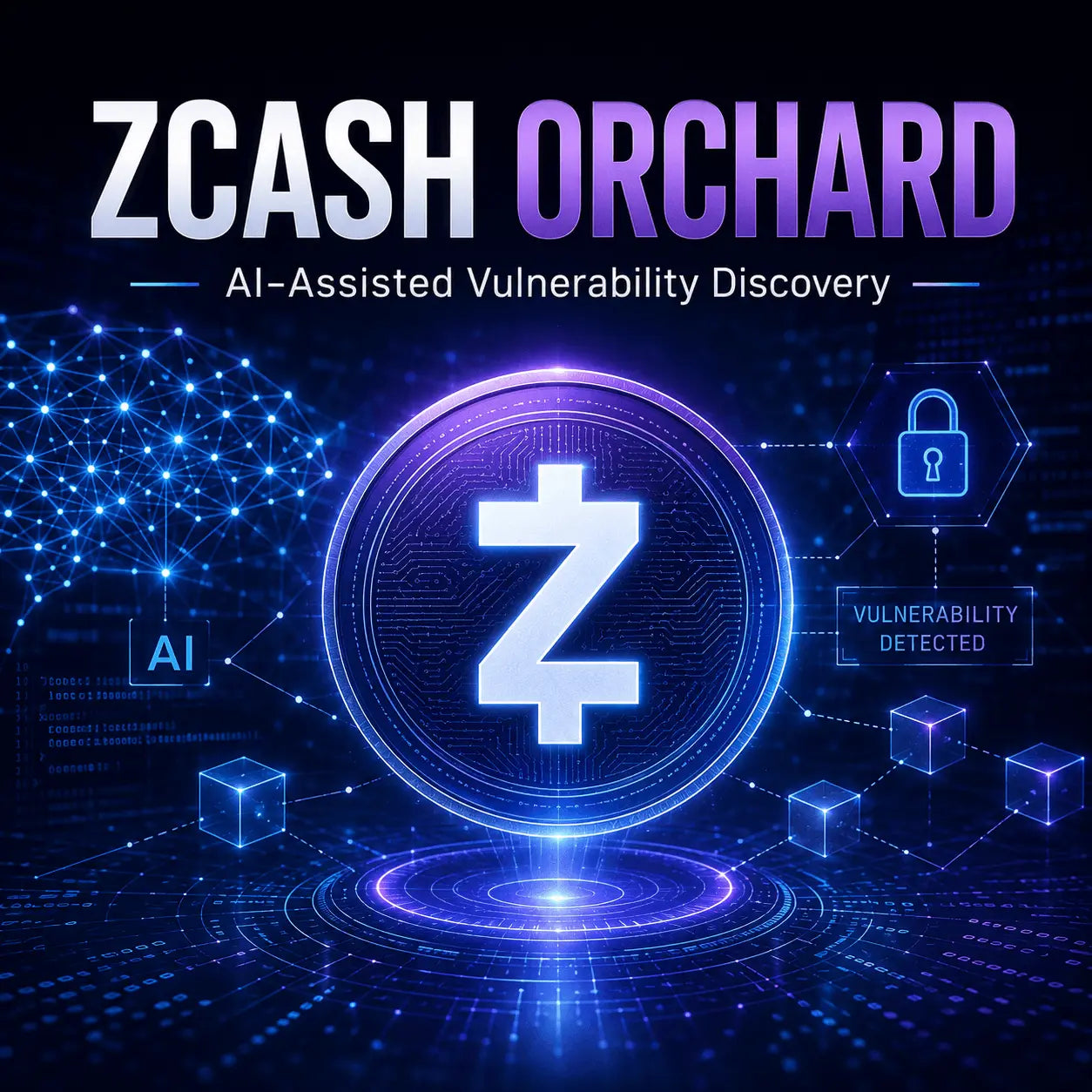
Sicherheitslücke im Zcash Orchard
Was KI-gestützte Entdeckung für Bergleute bedeutet
Fälschungsrisiko · Zero-Knowledge-Sicherheit · Abgeschirmte Versorgungsunsicherheit · KI-gestützte Prüfung · Due Diligence der Bergleute
1Was ist mit Zcash passiert?
Anfang Juni 2026 enthüllte Shielded Labs eine kritische Schwachstelle im Orchard Shielded Pool von Zcash. Öffentlichen Berichten zufolge hat der Sicherheitsforscher Taylor Hornby das Problem bei einer KI-gestützten Überprüfung identifiziert. Der Fehler hätte es einem Angreifer ermöglichen können, gefälschte ZEC innerhalb des abgeschirmten Systems zu erstellen, ohne dass die normalen Validierungsgarantien wie vorgesehen funktionierten.
Die Offenlegung löste eine sofortige Marktreaktion aus. Die Das berichtete das Wall Street Journal dass ZEC am 5. Juni innerhalb von 24 Stunden um etwa 40 % gefallen sei. Spätere Berichte besagten, dass der Fehler behoben worden sei und dass das Projekt keine Hinweise auf eine Ausbeutung gefunden habe.
Eine fälschungsfähige Sicherheitslücke ist kein Beweis dafür, dass gefälschte Münzen hergestellt wurden. Die richtige Schlussfolgerung ist, dass der Fehler eine ernsthafte Möglichkeit darstellte, während die zum Zeitpunkt der Offenlegung verfügbaren öffentlichen Aufzeichnungen nicht bewiesen, dass ein Angreifer ihn genutzt hatte.
2Warum diese Art von Fehler so schwerwiegend ist
Orchard nutzt Zero-Knowledge-Proofs, um Nutzern den Nachweis zu ermöglichen, dass eine Transaktion gültig ist, ohne ihre privaten Daten preiszugeben. Ein Zuverlässigkeitsfehler untergräbt dieses Versprechen: Ein Beweis kann gültig erscheinen, obwohl die versteckte Transaktion nicht alle vom Protokoll geforderten Regeln erfüllt.
In einem Fälschungsszenario besteht die Gefahr nicht nur darin, Gelder aus einer Wallet zu stehlen. Das tiefer liegende Risiko ist die Versorgungsintegrität. Wenn ungültige Werte in einen geschützten Pool gelangen können, können sich Miner, Börsen, Inhaber und Anwendungen nicht mehr auf die erwartete Beziehung zwischen Protokollausgabe und umlaufenden Münzen verlassen.
3Was bekannt ist und was ungewiss bleibt
| Frage | Öffentlich gemeldete Position | Interpretation |
|---|---|---|
| War der Fehler schwerwiegend? | Ja, es hätte gefälschtes, abgeschirmtes ZEC ermöglichen können. | Das Problem betraf eine Kernannahme der monetären Sicherheit. |
| War KI beteiligt? | Ja, in der Berichterstattung wurde eine KI-gestützte Codeüberprüfung beschrieben. | Menschliches Fachwissen leitete und validierte die Untersuchung weiterhin. |
| Wurde der Fehler behoben? | Laut Projektberichten sei die Schwachstelle behoben worden. | Knotenbetreiber sollten dennoch überprüfen, ob sie unterstützte Software ausführen. |
| Wurde es ausgenutzt? | Es wurden keine Beweise für Ausbeutung öffentlich gemeldet. | Das Fehlen von Beweisen sollte nicht als mathematischer Beweis überbewertet werden. |
| Kann sich das Versorgungsvertrauen verbessern? | Shielded Labs gab an, eine stärkere Verifizierung zu prüfen. | Zukünftige Protokollarbeiten können die Unsicherheit hinsichtlich der versteckten Versorgung verringern. |
Sagen Sie nicht, dass die KI bewiesen hat, dass gefälschtes ZEC existierte, oder dass das Angebot definitiv überhöht war. Die bestätigte Geschichte besagt, dass KI-gestützte Forschung dazu beigetragen hat, eine Schwachstelle zu identifizieren, die eine nicht nachweisbare Fälschung hätte ermöglichen können.
4Wie KI die Protokollsicherheit verändert
Die wichtigste Lektion ist nicht, dass ein KI-System selbstständig Kryptographen ersetzt hat. Die stärkere Schlussfolgerung ist, dass erfahrene Forscher fortschrittliche Modelle verwenden können, um unbekannten Code zu untersuchen, Einschränkungen zu verfolgen, Testideen zu generieren und die Exploit-Entwicklung zu beschleunigen. Dadurch werden Teile einer Sicherheitsüberprüfung von Wochen auf viel kürzere Zyklen komprimiert.
Diese Fähigkeit kommt Verteidigern und Angreifern zugute. Protokollteams können ihren eigenen Code kontinuierlich überprüfen, aber dieselben Tools senken die Kosten für die Suche in öffentlichen Repositorys nach übersehenen Annahmen. Open-Source-Transparenz bleibt wertvoll; Dadurch wird es einfach wichtiger, Code schneller zu überprüfen, als Angreifer ihn ausnutzen können.
5Was der Vorfall für ZEC-Miner bedeutet
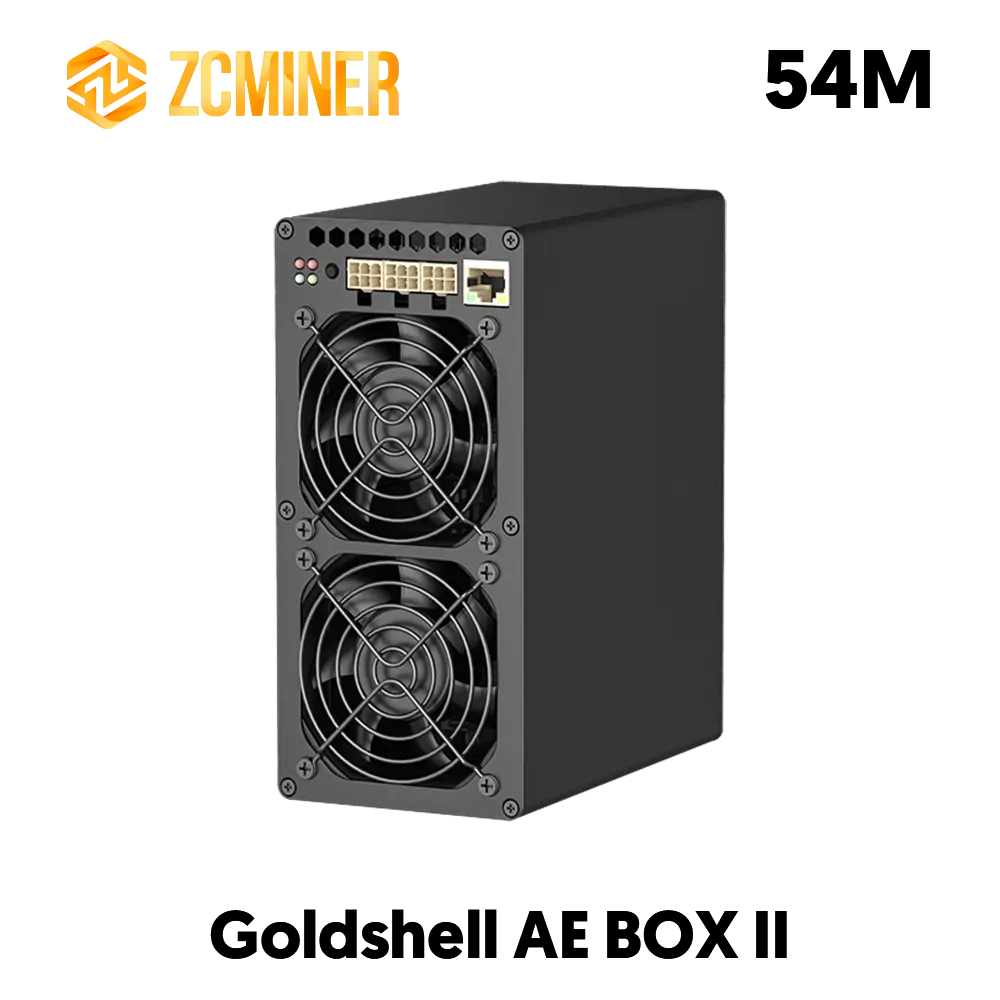
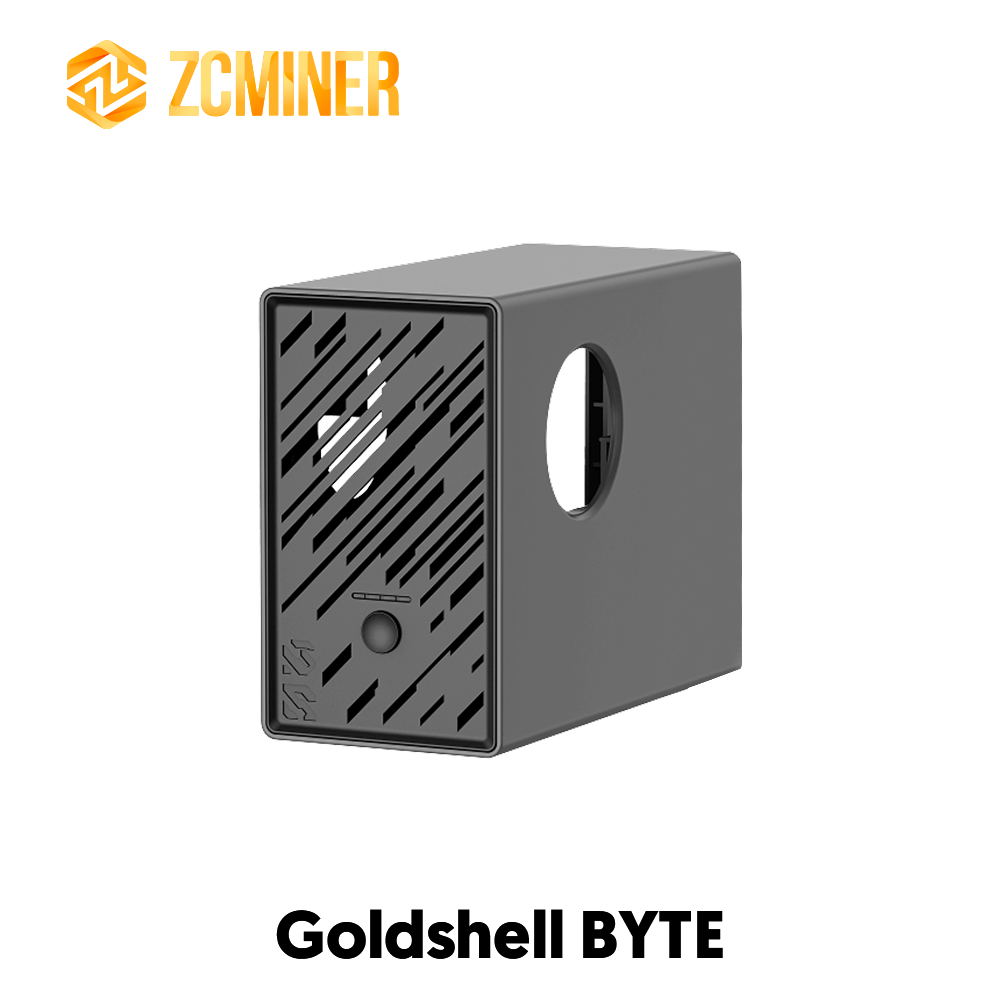
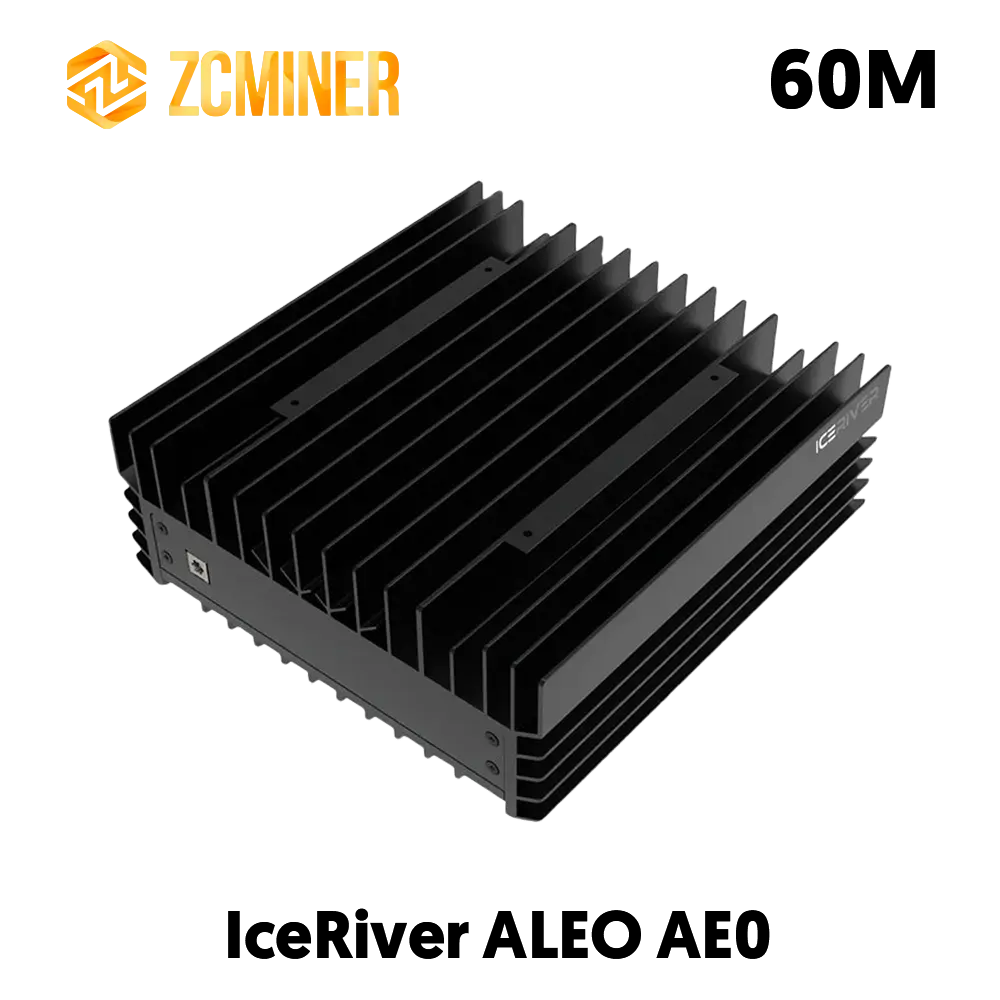
Ein Miner kann perfekt funktionierende Equihash-Hardware betreiben und ist dennoch Risiken oberhalb der Mining-Schicht ausgesetzt. Protokollintegrität, Börsenunterstützung, Liquidität, Münzpreis, Pool-Richtlinie und Knotenkompatibilität beeinflussen alle, ob die geschürften Belohnungen ihren Wert behalten.
Der Ausverkauf im Juni verdeutlichte diesen Zusammenhang direkt. Eine plötzliche Senkung des ZEC-Preises verringert die auf USD lautenden Mining-Einnahmen, selbst wenn sich die Netzwerkschwierigkeiten und die Maschinenleistung noch nicht geändert haben. Die Schwierigkeit kann sich später anpassen, wenn die Bergleute die Verbindung trennen, aber diese Reaktion beseitigt nicht sofort das Preis- oder Protokollrisiko.
| Bergmann-Exposition | Möglicher Effekt | Praktische Antwort |
|---|---|---|
| ZEC-Preis | Geringerer Umsatz pro geschürfter Münze | Berechnen Sie den Gewinn anhand des aktuellen Preises und konservativer Annahmen neu. |
| Netzwerkschwierigkeit | Kann fallen, wenn Hashrate verlässt | Warten Sie auf bestätigte Schwierigkeitsdaten, anstatt einen Versatz anzunehmen. |
| Poolbetrieb | Die Auszahlungs- oder Bestätigungsrichtlinien können sich ändern | Überprüfen Sie die Poolbenachrichtigungen und den Auszahlungsstatus. |
| Exchange-Unterstützung | Einzahlungen oder Handel können eingeschränkt werden | Überprüfen Sie den jeweiligen Veranstaltungsort, bevor Sie Auszahlungen veranlassen. |
| Knotenkompatibilität | Veraltete Software kann die Konsenskompatibilität verlieren | Verwenden Sie unterstützte Versionen und befolgen Sie die offiziellen Betreiberhinweise. |
| Liefervertrauen | Unsicherheit kann die Volatilität erhöhen | Vermeiden Sie es, das Fehlen einer sichtbaren Inflation als endgültigen Beweis zu betrachten. |
6Eine bessere Sicherheitscheckliste für Bergbauentscheidungen
Hardware-Effizienz und Stromkosten sind nach wie vor von entscheidender Bedeutung, sie stellen jedoch nicht das vollständige Risikomodell dar. Bevor Betreiber einem abbaubaren Vermögenswert Kapital zuweisen, sollten sie die Sicherheit und Governance des zugrunde liegenden Protokolls bewerten.
- Freigabedisziplin: Werden Sicherheitsupdates schnell mit klaren Bedieneranweisungen verteilt?
- Unabhängige Bewertung: Verwendet das Projekt mehrere Prüfteams und öffentliche Schwachstellenprogramme?
- Kryptografische Sicherheit: Werden kritische Schaltkreise formell spezifiziert, getestet oder verifiziert, sofern dies praktisch möglich ist?
- Versorgungskontrollen: Kann das Protokoll Fehler bei der privaten Geldversorgung erkennen oder eindämmen?
- Transparenz von Vorfällen: Unterscheidet das Team bestätigte Fakten von ungelöster Unsicherheit?
- Operative Belastbarkeit: Können Pools, Börsen und Miner Aktualisierungen ohne längere Unterbrechungen koordinieren?
Behandeln Sie die Protokollsicherheit als Variable in der Rentabilitätsanalyse. Die tägliche Umsatzschätzung einer Maschine ist unvollständig, wenn sie die Möglichkeit von Notfall-Upgrades, Wechselkursbeschränkungen, Preisschocks oder Vertrauensverlust in die Versorgung des Vermögenswerts außer Acht lässt.
7Umfassendere Lektionen für wissensfreie Systeme
Der Vorfall sollte nicht als Beweis dafür gewertet werden, dass Zero-Knowledge-Technologie grundsätzlich unsicher ist. Es zeigt, dass ein fortschrittliches Proofsystem nur so zuverlässig ist wie seine Spezifikation, Schaltungsbeschränkungen, Implementierung, Überprüfungsprozess und Bereitstellungskontrollen.
Andere Datenschutzprotokolle und Zero-Knowledge-Anwendungen unterliegen derselben allgemeinen Risikokategorie: Ein kleiner Implementierungsfehler kann eine viel größere Sicherheitsannahme zunichte machen. Eine stärkere KI-gestützte Überprüfung, strengere Eigentumsprüfungen, formelle Methoden, unabhängige Prüfungen und Mechanismen zur Angebotsüberprüfung können dieses Risiko verringern, obwohl es keine einzige Maßnahme beseitigen kann.
8FAQ: Zcash, KI und die Orchard-Sicherheitslücke
Was war die Sicherheitslücke in Zcash Orchard?
Es handelte sich um einen kritischen Fehler im geschützten System von Orchard, der laut öffentlicher Berichterstattung dazu geführt haben könnte, dass gefälschte ZEC die Validierung bestanden haben könnten.
Hat ein KI-System den Zcash-Bug selbst entdeckt?
Die Entdeckung wurde als KI-unterstützt beschrieben. Ein menschlicher Sicherheitsforscher leitete die Überprüfung, interpretierte die Ergebnisse, validierte den Fehler und koordinierte die verantwortungsvolle Offenlegung.
Wurden tatsächlich gefälschte ZEC-Münzen hergestellt?
Es wurden keine Beweise für Ausbeutung öffentlich gemeldet. Aufgrund der Datenschutzeigenschaften geschützter Transaktionen ist es jedoch wichtig, zwischen keinem Beweis und einem absoluten Beweis dafür zu unterscheiden, dass es nie zu einer Ausbeutung gekommen ist.
Wurde die Schwachstelle behoben?
In öffentlichen Berichten hieß es, die Schwachstelle sei behoben worden. Knotenbetreiber und Dienstanbieter sollten sich auf die aktuellen offiziellen Freigabe- und Netzwerk-Upgrade-Anweisungen verlassen.
Warum ist das für ZEC-Miner wichtig?
Das Protokollvertrauen wirkt sich auf den ZEC-Preis, den Börsenzugang, die Pool-Richtlinien, die Softwarekompatibilität und den Wert der Mining-Belohnungen aus, selbst wenn die ASIC-Hardware weiterhin normal läuft.
Bedeutet das, dass Zero-Knowledge-Beweise unsicher sind?
Nein. Es zeigt, dass Prüfsysteme korrekte Spezifikationen, vollständige Schaltungsbeschränkungen, sorgfältige Implementierung, unabhängige Überprüfung und fortlaufende Tests erfordern.
Sicherheitsausblick
Die Offenlegung von Orchard ist eine Warnung vor der Geschwindigkeit der modernen Schwachstellenerkennung und kein Grund, automatisch auf Datenschutztechnologie oder ZEC-Mining zu verzichten. Die entscheidende Frage ist, wie schnell Protokollteams kritische Fehler finden, eindämmen, erklären und verhindern.
Für Bergleute ist die Lektion einfach: Bewerten Sie die Kette genauso sorgfältig wie die Maschine. Der Strompreis und die ASIC-Effizienz bestimmen die Produktionskosten, während die Protokollsicherheit darüber entscheidet, ob das produzierte Asset Vertrauen, Liquidität und Wert bewahren kann.






Hinterlassen Sie einen Kommentar
Diese Website ist durch hCaptcha geschützt und es gelten die allgemeinen Geschäftsbedingungen und Datenschutzbestimmungen von hCaptcha.