

SOQ Mining Guide 2026:
Scrypt ASICs, Merge Mining, Pools, and Risks
Soqucoin basics · Scrypt and AuxPoW · LuxxPool migration · Compatible ASICs · Wallet and exchange checks
On This Page
1Quick Answer: SOQ Adds a New Output to Scrypt Merge Mining
Soqucoin (SOQ) is a new proof-of-work network that uses the same Scrypt mining class as Litecoin and Dogecoin. Its mainnet has operated since October 13, 2026. Through Auxiliary Proof-of-Work, or AuxPoW, a compatible pool can reuse the work produced by a Scrypt ASIC across LTC, DOGE, SOQ, and potentially other supported chains.
This does not mean one miner suddenly produces several times more profit. The machine still uses the same electricity, and each coin has its own network difficulty, block schedule, pool rules, liquidity, and market value. The practical advantage is that a supporting pool can credit additional native assets from the same stream of work instead of asking the ASIC to divide its hashrate among separate algorithms.
SOQUPOOL is merging into LuxxPool. Its official notice says the SOQUPOOL Stratum service will close on November 19, 2026 at 16:00 UTC. New miners should evaluate LuxxPool's current connection instructions rather than treating the old SOQUPOOL endpoints as a permanent setup.
SOQ mining remains conventional Scrypt proof of work. ML-DSA-44 is used for transaction authorization; it does not replace Scrypt or create a special class of quantum ASIC. Existing compatible Scrypt hardware can participate through a pool that supports native SOQ settlement.
2What Soqucoin Is, and What Makes It Different
Soqucoin is a UTXO-based blockchain derived from Dogecoin Core with its own genesis block and network. Its software uses Scrypt proof of work, AuxPoW merge mining, Bech32m-style mainnet addresses beginning with sq1p, and ML-DSA-44 digital signatures for transaction authorization.
ML-DSA is the Module-Lattice-Based Digital Signature Algorithm standardized in NIST FIPS 204. Soqucoin's implementation choice should be described precisely: the project is designed to resist future attacks against conventional elliptic-curve signatures, but the security of the complete network still depends on correct software implementation, wallet safety, mining participation, node diversity, and ongoing maintenance.
The distinction between the mining and signature layers matters. A Scrypt ASIC performs proof-of-work hashing. Wallets and nodes handle ML-DSA-44 keys and signatures when coins move. Buying more hashrate does not strengthen a wallet backup, and using a post-quantum signature scheme does not remove mining or market risk.
3How Scrypt AuxPoW Merge Mining Works
In ordinary single-chain mining, a pool builds work for one network and miners search for hashes below that network's target. In AuxPoW merge mining, the pool can place commitments to auxiliary chains into the parent-chain work. The ASIC still calculates Scrypt hashes once, while the pool checks whether a submitted share or block candidate also satisfies the target of each supported auxiliary chain.
| Layer | What Happens | What the Miner Sees |
|---|---|---|
| Scrypt ASIC | Produces one continuous stream of Scrypt work | Normal hashrate, power draw, temperature, and accepted-share statistics |
| Pool | Builds compatible merged work and tracks each chain's target | One Stratum connection and one worker identity |
| Litecoin | Typically acts as the parent Scrypt chain | LTC rewards under the pool's payout method |
| Dogecoin and SOQ | Accept valid AuxPoW when the shared work meets their own targets | Separate native balances when the pool supports and credits them |
Merge mining is not the same as switching between coins. There is no automated decision to direct half the hashrate toward LTC and half toward SOQ. The same work may count on multiple ledgers, but a pool determines which auxiliary chains it supports, how it allocates rewards, which addresses must be saved, and when balances become payable.
Hardware compatibility alone is therefore insufficient. A Litecoin or Dogecoin ASIC connected to a pool that does not integrate Soqucoin will not automatically receive SOQ. Before moving a fleet, verify that the pool publishes native SOQ balances, payout rules, block records, and current connection settings.
4SOQ Block Rewards, Halvings, and Tail Emission
Soqucoin's published consensus schedule starts with a 100,000 SOQ block subsidy and a target block interval of approximately 60 seconds. The subsidy changes at blocks 250,000, 500,000, and 750,000. From block 1,000,000, a perpetual 2,500 SOQ tail subsidy is scheduled to continue.
| Consensus Item | Published Value | Mining Meaning |
|---|---|---|
| Algorithm | Scrypt, N=1024, r=1, p=1 | Compatible with established LTC/DOGE Scrypt infrastructure |
| Target block time | 60 seconds | About 1,440 target blocks per day, although actual timing varies |
| Initial subsidy | 100,000 SOQ per block | Gross issuance before pool allocation and fees |
| Reward transitions | Blocks 250,000, 500,000, and 750,000 | Each scheduled change alters future issuance economics |
| Tail subsidy | 2,500 SOQ from block 1,000,000 | No fixed maximum supply under the published schedule |
| Coinbase maturity | 288 blocks | New block rewards require maturity before they can be spent or paid |
A large nominal SOQ reward does not establish a large dollar return. Profit depends on the miner's share of pool work, network difficulty, pool luck, fees, reward maturity, payout thresholds, electricity, cooling, hardware cost, uptime, and the price at which a real order can execute. Early markets can have wide spreads and limited depth, so the last displayed trade may overstate the value available to a seller.
5Current Pool Status: SOQUPOOL Is Moving to LuxxPool
The most important operational change is the announced transition from SOQUPOOL to LuxxPool. SOQUPOOL says it will continue mining and paying until its Stratum closure on November 19, 2026 at 16:00 UTC, wait for remaining blocks to mature, and then send final balances, including balances below its normal minimum.
LuxxPool describes itself as a public-beta Scrypt merge-mining pool. Its current pages advertise regular PPLNS and SOLO modes, regional servers in the United States, Europe, and Asia, and a 0.75% standard fee. It supports LTC, DOGE, SOQ, and additional auxiliary chains through one connection.
LuxxPool's migration notice says that, in regular PPLNS mode, a coin's reward share is forfeited when no valid payout address for that coin is saved at the time the allocation is recorded. Add and verify the LTC, DOGE, SOQ, and any other desired payout addresses before pointing a machine at the pool.
| Region | Published LuxxPool Endpoint | Suggested Use |
|---|---|---|
| United States | stratum+tcp://luxxpool.luxxlabs.ca:3333 |
Primary for lower-latency North American connections |
| Europe | stratum+tcp://eu.luxxpool.luxxlabs.ca:3333 |
Primary for European and nearby regions |
| Asia | stratum+tcp://asia.luxxpool.luxxlabs.ca:3333 |
Primary for Asia-Pacific connections |
Pool terms and endpoints can change. Copy the live settings from the provider's official connection page when you configure the miner, rather than relying on a screenshot or an old article. Configure regional failover only when the pool confirms that the same account and payout setup applies to each endpoint.
6How to Configure a Scrypt ASIC for SOQ Merge Mining
- Create the pool account. Use the official LuxxPool website and protect the account with a unique password and available security controls.
-
Create or verify native payout addresses. Use an LTC address, DOGE address, and a native SOQ mainnet address beginning with
sq1p. Do not use a Solana pSOQ address for native mining rewards. - Save every desired payout address first. Confirm that the account dashboard shows each address before connecting hashrate.
- Open the ASIC dashboard on the local network. Record the existing pool configuration before changing anything.
- Copy the current regional Stratum endpoint. Use the provider's official setup page and place the closest server in Pool 1.
-
Enter the worker identity. The published migration format is
YOUR_USERNAME.rig1, withxas the password. Replace the example with your real account and a unique machine name. - Add backups. Use the other official regional endpoints in Pool 2 and Pool 3 if the provider continues to support that failover arrangement.
- Save and monitor. Check the ASIC for a live connection and the pool dashboard for accepted shares, worker status, credited coins, and reject rate.
Test one ASIC before moving a full fleet. Confirm accepted shares, correct payout addresses, stable pool-side hashrate, and visible balances. This limits the damage from a wrong worker name, missing address, copied fake endpoint, or incompatible firmware setting.
A miner showing local hashrate does not prove the pool is crediting work. Pool-side hashrate is estimated from accepted shares and may fluctuate, so compare one-hour and 24-hour windows. A rising reject rate can indicate network latency, a wrong port, unstable overclocking, firmware problems, or time synchronization errors.
7Which Scrypt ASICs Can Mine SOQ?
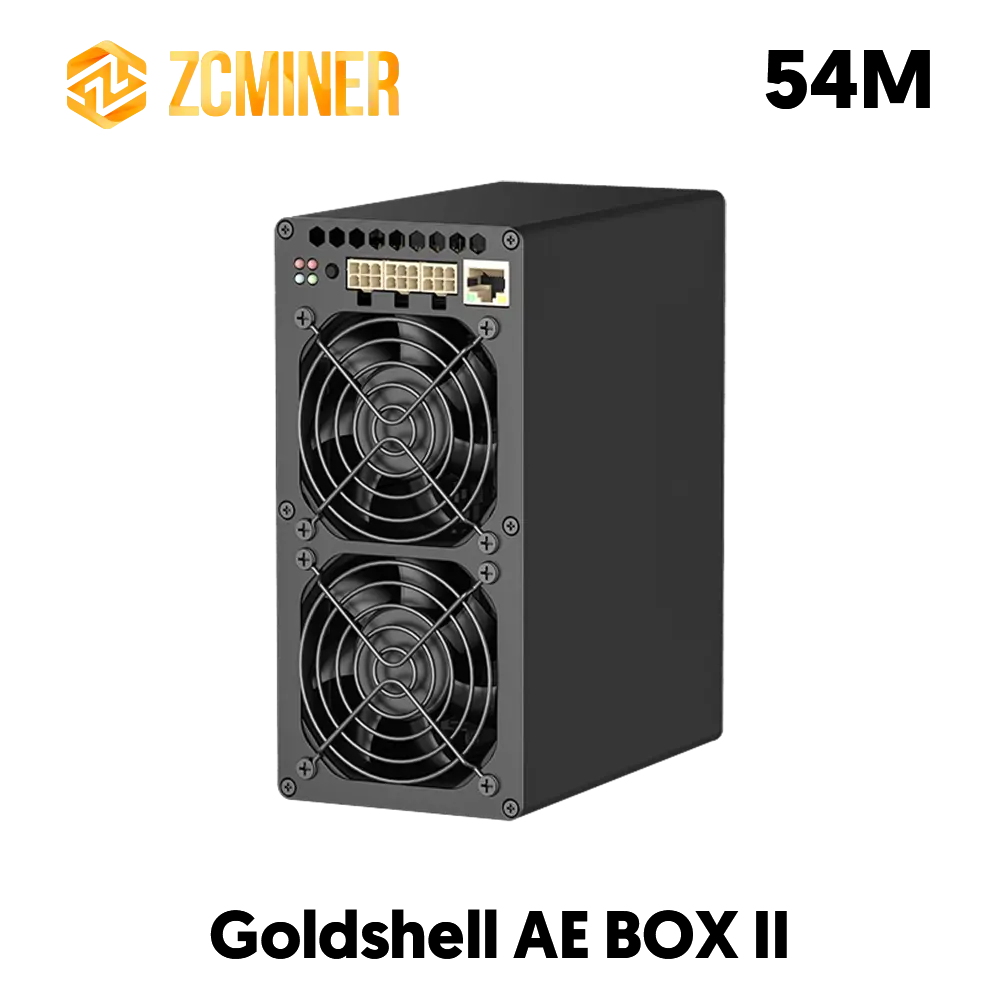
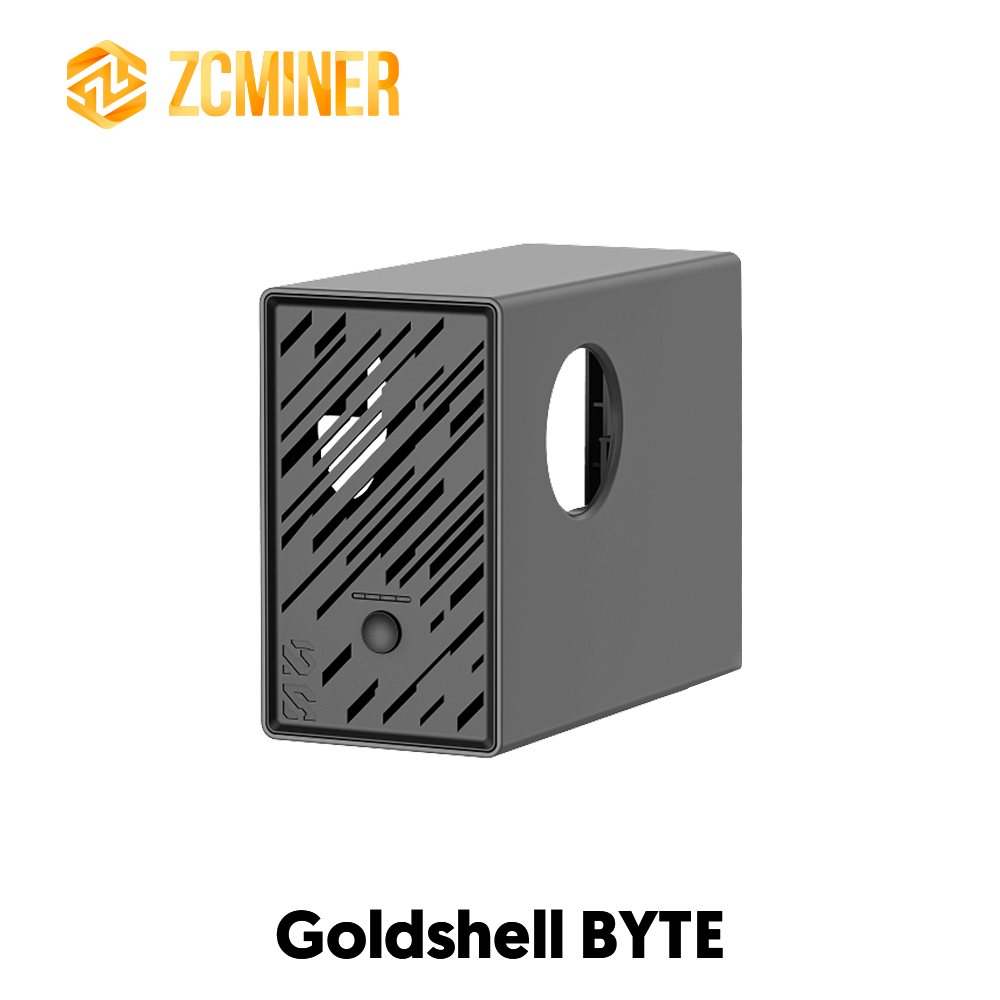
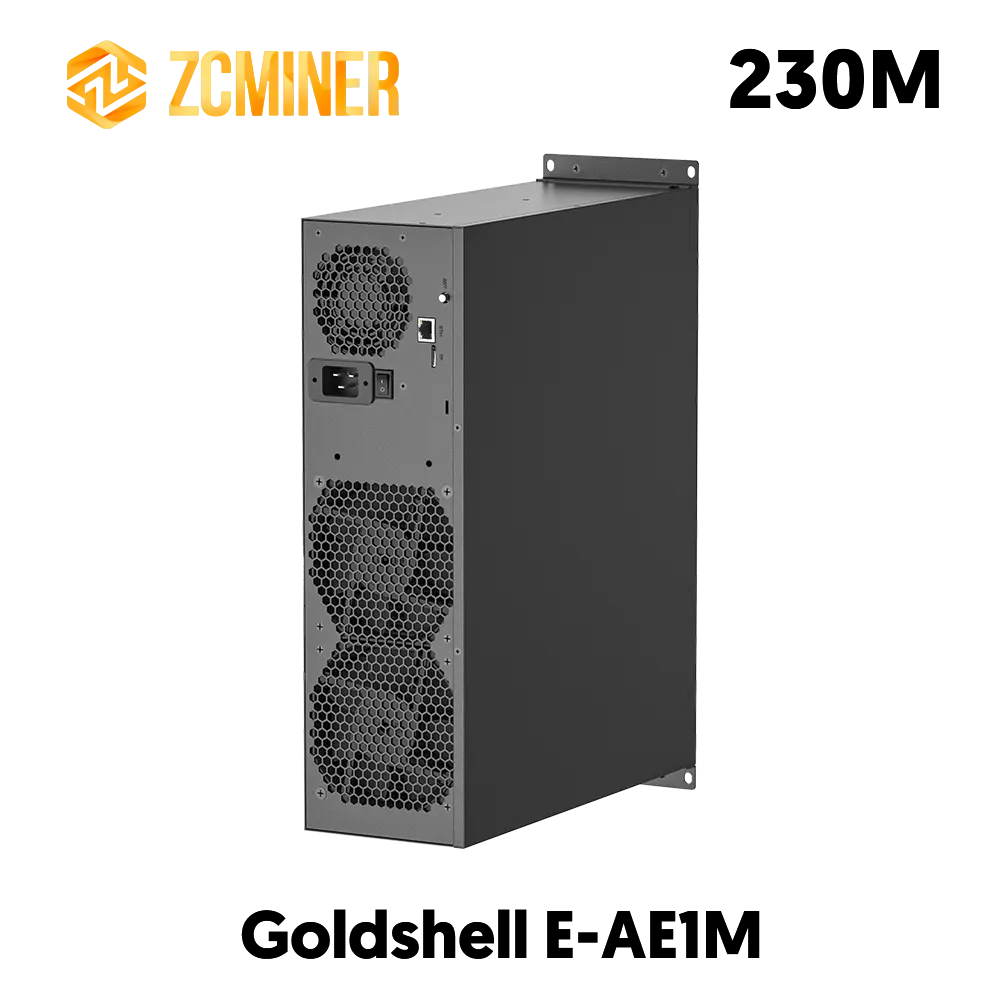
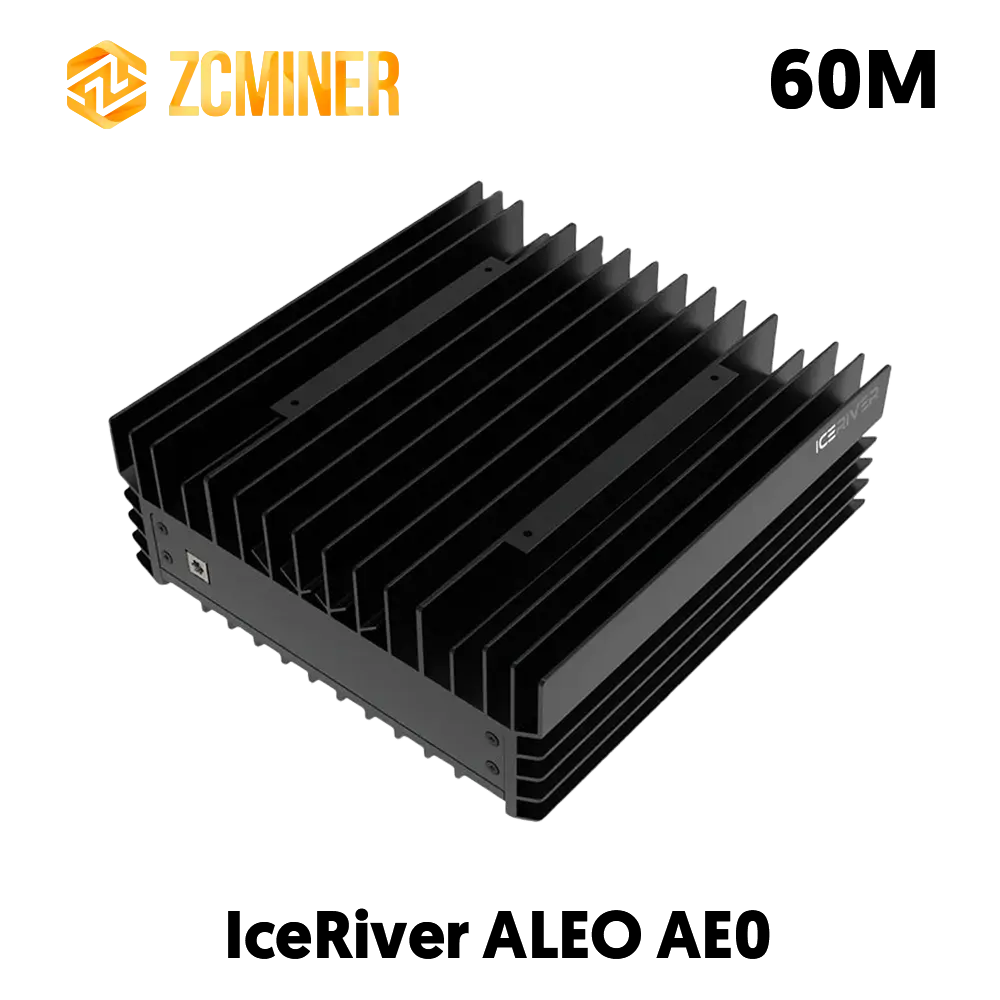
According to the project and pool documentation, an ASIC that mines Litecoin or Dogecoin can evaluate SOQ through a compatible merge-mining pool without a special quantum-mining chip. The correct choice still depends on electrical service, heat removal, noise limits, budget, and whether the operator wants a home-scale experiment or industrial output.
| Hardware Class | Example | Best Fit | Check Before Purchase |
|---|---|---|---|
| Current industrial air-cooled | Antminer L11 | High-output farms with suitable power and ventilation | Exact variant, rated power, voltage, noise, delivery date, and pool support |
| Established industrial air-cooled | Antminer L9 | Operators balancing purchase price, output, and proven Scrypt deployment | Hashrate option, efficiency, 220V-class supply, airflow, and current firmware |
| Compact home-scale | Goldshell MINI DOGE III | Learning, smaller circuits, and noise-sensitive environments | Power supply, actual mode, ventilation, payout thresholds, and expected variance |
| Hydro or specialized cooling | High-output Scrypt systems | Sites with engineered cooling and electrical infrastructure | Coolant loop, inlet temperature, flow, warranty, installation, and hosting terms |
Do not buy a miner based only on an SOQ calculator screenshot. Build the model from total Scrypt revenue actually credited by the selected pool, then test lower coin prices, higher network difficulty, pool downtime, electricity increases, and limited liquidity. Our separate Scrypt algorithm guide, Litecoin mining guide, and Dogecoin mining guide provide broader background.
8Native SOQ Wallets, pSOQ, and Exchange Checks
Native SOQ and pSOQ must not be treated as interchangeable assets. The project's one-time pSOQ-to-SOQ migration ran from September 29 to October 5, 2026 and was committed in the first mainnet block. The published window is closed and does not repeat. The project states that pSOQ is not currently a wrapped or redeemable form of native SOQ.
| Asset or Destination | Network | Practical Check |
|---|---|---|
| Native SOQ mining payout | Soqucoin mainnet | Use a compatible sq1p address and test with a small amount |
| pSOQ token | Solana | Do not send native SOQ mining rewards to a Solana token address |
| SafeTrade | SOQ/USDT market published | Verify current deposits, withdrawals, order depth, and regional access |
| NonKYC.io | SOQ/USDT and SOQ/BTC markets published | Confirm the native network, minimum deposit, withdrawal status, and liquidity |
Exchange availability is not the same as deep liquidity. Before moving a large mining balance, check whether deposits and withdrawals are open, confirm the exact network, review the order book, and make a test transfer that clears the minimum deposit. Never infer executable value from a last trade alone.
9SOQ Mining Risk Checklist
- Pool transition risk: SOQUPOOL is closing its Stratum service, while LuxxPool is labeled public beta. Operational details may change quickly.
- Address risk: a missing or wrong native SOQ address can prevent credit or cause an irreversible transfer error.
- Liquidity risk: SOQ currently trades on a small number of venues, and quoted prices may not support a large sale.
- Difficulty risk: additional Scrypt hashrate can reduce the SOQ received per unit of miner work.
- Electricity risk: merged mining does not eliminate the ASIC's power, cooling, maintenance, or hosting costs.
- Protocol risk: Soqucoin is a young network with limited operating history compared with Litecoin or Dogecoin.
- Pool-policy risk: fees, payout thresholds, supported coins, maturity rules, and reward allocation can change.
- Custody risk: pool and exchange balances depend on third parties until funds reach a wallet you control.
SOQ can add another revenue line to a compatible merged-mining setup, but its economic value must be discounted for difficulty, pool fees, maturity, spread, withdrawal availability, and market depth. Treat it as a separate high-risk output, not guaranteed return.
10SOQ Mining FAQ
Can a Litecoin or Dogecoin ASIC mine SOQ?
A compatible Scrypt ASIC can participate through a pool that integrates SOQ AuxPoW and credits native SOQ. Hardware compatibility alone does not mean every LTC or DOGE pool pays SOQ.
Does SOQ merge mining require extra electricity?
AuxPoW reuses the ASIC's existing Scrypt work, so there is no separate SOQ hashing workload. The miner still consumes its normal electricity and cooling power.
Which pool should SOQ miners use after November 19, 2026?
SOQUPOOL says its Stratum closes on November 19 at 16:00 UTC and directs miners to LuxxPool. Verify the latest official pool status and connection settings before configuring hardware.
Is native SOQ the same as pSOQ on Solana?
No. The project says the one-time migration window has closed and pSOQ is not currently a wrapped or redeemable form of native SOQ. Native mining payouts use the Soqucoin mainnet.
Where can SOQ be traded?
The project currently identifies SafeTrade for SOQ/USDT and NonKYC.io for SOQ/USDT and SOQ/BTC. Check live deposit, withdrawal, region, and liquidity conditions before transferring funds.
Is SOQ mining guaranteed to be profitable?
No. Results depend on hardware cost, electricity, cooling, uptime, difficulty, pool rules, reward maturity, coin price, spread, and available market liquidity.
11References and Data Sources
Technical claims use official project code and documentation. Pool status, fees, endpoints, exchange markets, and service availability are time-sensitive and should be rechecked before publishing settings or moving funds.
- Soqucoin Core RepositoryMainnet status, Scrypt mining, ML-DSA-44 implementation, releases, and network architecture.
- Soqucoin Pool Integration GuideAuxPoW format, chain ID, address format, block target, reward maturity, and consensus mining parameters.
- Soqucoin: Network, Tokenomics, and Market StatusMainnet date, reward schedule, current official pool, pSOQ migration status, and exchange directory.
- SOQUPOOL Closure and LuxxPool Migration NoticeNovember 19 Stratum closure, regional LuxxPool endpoints, address warning, and final-balance process.
- LuxxPool Migration GuideCurrent public-beta pool setup, payout-address requirement, fee, and regular versus SOLO options.
- NIST FIPS 204: Module-Lattice-Based Digital Signature StandardPrimary standard defining ML-DSA.
- SafeTrade SOQ Listing AnnouncementPublished SOQ/USDT market and project overview.
- NonKYC.io SOQ Listing AnnouncementPublished SOQ/USDT and SOQ/BTC markets and native deposit information.
- BT-Miners SOQ Mining GuideSecondary reference used to identify practical miner questions; current status was independently checked against official sources.
Final Verdict
SOQ gives existing Scrypt miners another network to evaluate without adding a second hashing workload. Its practical appeal comes from AuxPoW compatibility with LTC and DOGE infrastructure, while its ML-DSA-44 transaction layer gives the project a distinct technical position.
The opportunity remains early and operationally fragile. SOQUPOOL is closing, LuxxPool is in public beta, native SOQ markets are limited, and wallet or payout-address mistakes can be costly. Test with one miner, save every payout address before connecting, verify accepted shares and balances, and value SOQ at executable market prices rather than promotional estimates.




댓글 남기기
이 사이트는 hCaptcha에 의해 보호되며, hCaptcha의 개인 정보 보호 정책 과 서비스 약관 이 적용됩니다.