

Why Is Dogecoin Mining Still Worth Considering in 2026?
Core conclusion: Dogecoin mining remains one of the easiest ways to enter cryptocurrency mining in 2026, requiring no industrial-scale equipment to get started.
Dogecoin was born in 2013 as a joke project about the Shiba Inu meme. But in 2026, it has evolved into a widely recognized payment method with an active global community and a stable mining ecosystem. Unlike Bitcoin, Dogecoin has no maximum supply cap, with a fixed block reward of 10,000 DOGE per block and a new block generated every 1 minute—meaning miners receive more frequent and predictable rewards.
Additionally, Dogecoin uses the Scrypt algorithm, making it fully compatible with Litecoin (LTC). Through merged mining, you can mine both DOGE and LTC simultaneously—one electricity cost, two rewards. For individual miners with controllable electricity costs who want to start from scratch, Dogecoin mining in 2026 remains a viable and attractive option.
How Does Dogecoin Mining Actually Work?
Core conclusion: Dogecoin uses Proof of Work (PoW), where miners compete with computational power for the right to package blocks, and the winner receives 10,000 DOGE.
More specifically, when a user initiates a transaction on the Dogecoin network (such as sending 500 DOGE to a friend), the system must verify the transaction and record it immutably on the blockchain. Miners and their machines perform this verification work. In return, the network pays them in DOGE.
Dogecoin uses the Scrypt algorithm, while Bitcoin uses SHA-256. Scrypt was originally designed to require more memory resources to prevent specialized chips (ASICs) from dominating too early. However, by 2026, Scrypt-specific ASIC miners have become mainstream, far outperforming GPUs.
Data summary: Each block rewards 10,000 DOGE, with a new block approximately every 1 minute, meaning:
-
~600,000 DOGE mined per hour
-
~14.4 million DOGE mined per day
-
~5.26 billion DOGE added annually
Dogecoin's annual inflation is fixed at approximately 5 billion DOGE per year—this is a feature, not a bug. Unlike Bitcoin's halving every four years, Dogecoin's mining incentives continue indefinitely.
What Are the Key Differences Between Dogecoin and Bitcoin Mining?
Core conclusion: Dogecoin mining differs fundamentally from Bitcoin in block speed, hardware requirements, and reward stability, making it more suitable for individual miners.
The table below summarizes the key differences based on 2026 actual conditions:
| Feature | Dogecoin (DOGE) | Bitcoin (BTC) |
|---|---|---|
| Algorithm | Scrypt | SHA-256 |
| Block Time | ~1 minute | ~10 minutes |
| Block Reward (2026) | 10,000 DOGE | 3.125 BTC |
| Supply Cap | No cap (infinite) | 21 million BTC |
| Annual New Supply | ~5.26B DOGE | ~164,250 BTC |
| Mainstream Hardware | Scrypt ASIC / GPU | SHA-256 ASIC |
| Merged Mining | Yes (with Litecoin) | No |
| Mining Difficulty | Relatively lower | Extremely high |
| Entry Cost | Moderate | Very high |
What does this mean for you? Bitcoin miners need industrial-scale hash power to compete. SHA-256 ASIC devices are expensive, power-hungry, and face intense competition. Dogecoin's Scrypt algorithm and lower network difficulty allow small miners to obtain stable rewards by joining mining pools. You don't need to invest hundreds of thousands of dollars to become a productive Dogecoin miner in 2026.
What Four Things Do You Need to Start Mining Dogecoin?
Core conclusion: Mining requires four core elements—hardware, software, wallet, and pool account—all of which are essential.
Before pressing the "start" button, ensure you have prepared the following four items:
1. Mining Hardware
This is your single biggest investment. In 2026, two main options exist:
-
ASIC Miners: Integrated circuit miners designed specifically for Scrypt. High efficiency and hash power make them the profitability choice.
-
GPUs: If you already have a high-performance gaming PC, you can use it to learn, but efficiency is far lower than ASICs.
2. Mining Software
Software connects your hardware to the network or pool. Mainstream options include:
-
CGMiner: Open-source, ASIC-supported, the professional's choice
-
EasyMiner: Graphical interface, suitable for beginners
-
MultiMiner: User-friendly, supports multiple devices
-
CudaMiner: Optimized specifically for NVIDIA GPUs
3. Dogecoin Wallet
You need a secure address to receive mining rewards. Options include:
-
Dogecoin Core Wallet: Official full-node wallet requiring full blockchain download
-
Exodus: User-friendly desktop and mobile wallet
-
Atomic Wallet: Multi-currency storage
-
Hardware wallets (Ledger / Trezor): The most secure choice for long-term large holdings
4. Stable Internet and Power Supply
Mining is very sensitive to network latency. You must use wired Ethernet instead of Wi-Fi, as packet loss leads to invalid shares. Also ensure:
-
PSU rated sufficiently for your hardware
-
Adequate cooling (fans, ventilation, even air conditioning)
-
Dedicated circuit for multiple machines
5. Mining Pool Account (Strongly Recommended)
Solo mining is like playing the lottery. By joining a mining pool, you share hash rate with other miners for more frequent, stable payouts. The vast majority of individual miners should choose a pool.
What Is the Best Hardware for Dogecoin Mining in 2026?
Core conclusion: In 2026, ASIC miners are the profitability choice, with the Antminer L9 as the performance ceiling and the Goldshell MINI DOGE III series suitable for home entry.
Below are detailed specifications for mainstream Scrypt ASIC miners in 2026 (updated) :
| Miner Model | Hash Rate | Power | Efficiency | Approx. Price |
|---|---|---|---|---|
| Bitmain Antminer L9 | 16 GH/s | 3,360W | 210 J/GH | ~$3,500 |
| Bitmain Antminer L7 | 9.5 GH/s | 3,425W | 360 J/GH | ~2,800 |
| Goldshell LT6 | 3.35 GH/s | 3,200W | 955 J/GH | ~1,200 |
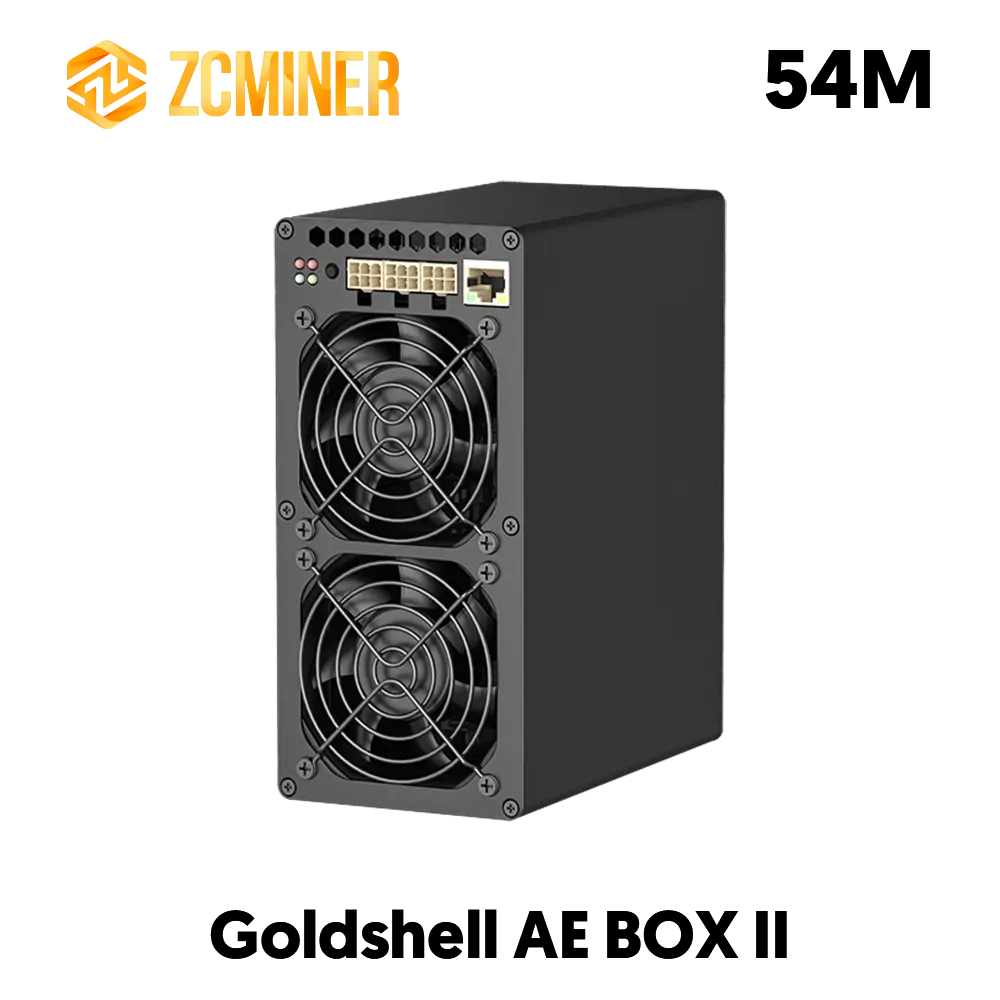
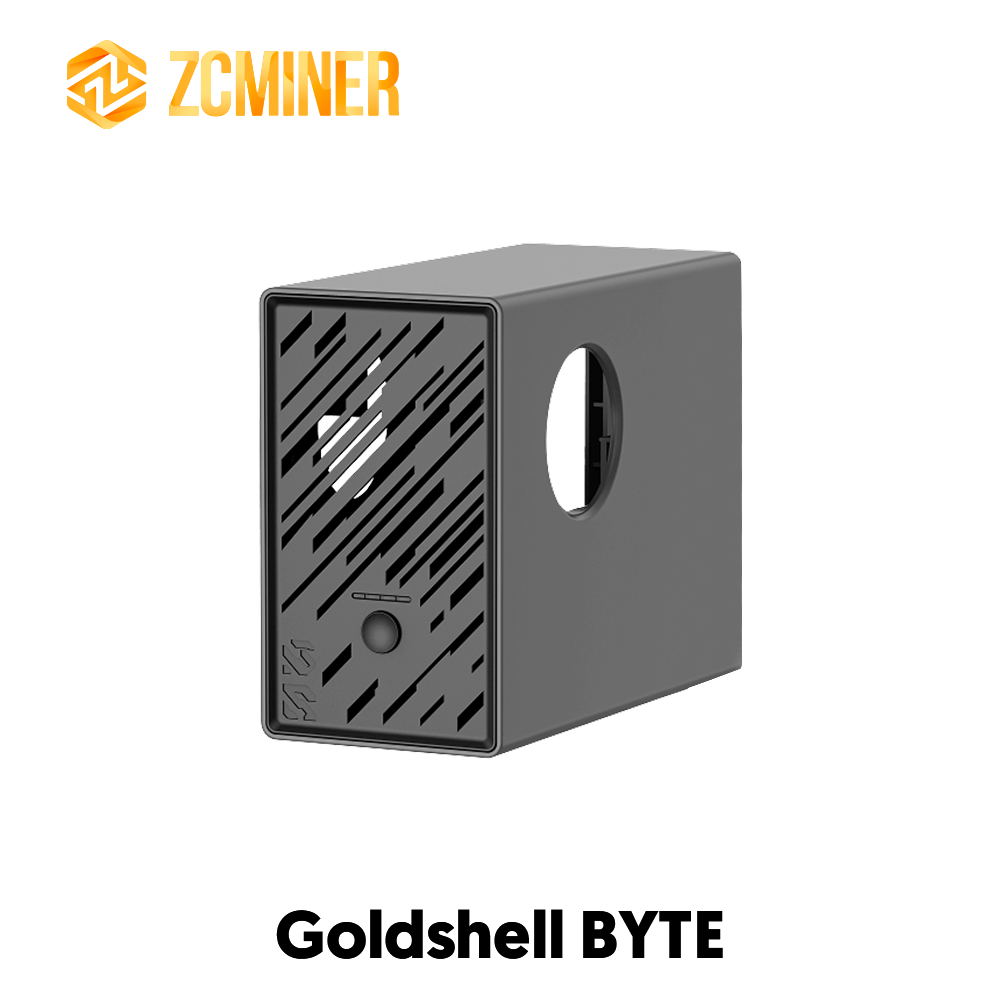
| Goldshell MINI DOGE III PLUS | 810 MH/s | 500W | 0.62 J/MH | ~$310 |
| Goldshell MINI DOGE III | 700 MH/s | 400W | 0.57 J/MH | ~$200 |
Efficiency note: 0.62 J/MH = 620 J/GH, 0.57 J/MH = 570 J/GH. The MINI DOGE III series offers excellent energy efficiency at the home entry level.
If you just want to try with GPUs (enthusiast level only):
| GPU Model | Approx. Scrypt Hash Rate | Power Draw |
|---|---|---|
| NVIDIA RTX 4090 | ~700 KH/s | ~450W |
| NVIDIA RTX 4070 | ~600 KH/s | ~200W |
| AMD RX 7900 XTX | ~580 KH/s | ~355W |
| NVIDIA RTX 3080 | ~520 KH/s | ~320W |
Important note: In 2026, mining Dogecoin with GPUs is rarely profitable. Entry-level ASICs (like the Goldshell MINI DOGE III or MINI DOGE III PLUS) have lower hash rates (in MH/s) but far superior energy efficiency—they are your real starting point for "serious mining."
Should I Mine Solo or Join a Pool?
Core conclusion: For 99% of individual miners, joining a pool is the only rational choice.
Solo mining means your device competes alone against the entire network to find the next block. If you win, you keep all 10,000 DOGE. If you lose, you get nothing.
Let's do the math: Assume you own one Antminer L7 (9.5 GH/s). In 2026, the Dogecoin network hash rate is approximately 1,500 TH/s, or 1,500,000 GH/s. Your share of the network is only 0.00063%. At this ratio, you would need about 4.5 months on average to find a single block. During that time, your earnings are zero—an extremely unstable model.
Pool mining aggregates hash rate from thousands of miners, dramatically increasing the collective chance of finding blocks. When the pool wins a block, the reward is distributed proportionally to each miner's contributed hash rate.
Pool advantages are clear:
-
Stable, predictable earnings
-
Small daily payouts
-
Easy entry with real-time dashboards
Disadvantages: 1–2% pool fees and trust in the pool operator.
The conclusion is clear: Unless you have industrial-scale hash power, you must join a pool.
What Are the Mainstream Dogecoin Mining Pools in 2026?
Core conclusion: When choosing a pool, focus on fees, minimum payout, merged mining support, and server stability.
Below are trustworthy Dogecoin mining pools in 2026:
Beginner recommendation: Start with F2Pool or Litecoinpool.org. Both have excellent documentation, user-friendly interfaces, good community reputation, and merged mining support.
How to Start Mining Dogecoin Step by Step?
Core conclusion: From wallet setup to miner configuration, the entire process usually takes less than one hour.
Step 1: Set Up Your Dogecoin Wallet
-
Visit dogecoin.com or download Exodus / Atomic Wallet
-
Create a new wallet, write down your seed phrase manually, store it safely offline
-
Copy your DOGE receiving address (starts with "D", case-sensitive)
Step 2: Buy and Set Up Hardware
If using an ASIC:
-
Purchase from official or authorized channels
-
Connect the miner to your router via Ethernet cable (no Wi-Fi)
-
Power on
-
Access the web interface via the miner's local IP address
If using GPU:
-
Install GPU(s) and update drivers
-
Download CGMiner or EasyMiner
Step 3: Register a Pool Account
-
Go to your chosen pool's website (e.g., f2pool.com)
-
Register with your email
-
Find the Dogecoin (or Litecoin/Scrypt) mining configuration page
-
Note the pool's stratum address and port (e.g., stratum+tcp://doge.f2pool.com:3333)
Step 4: Configure Mining Software
For ASIC miners (via web interface):
-
Log into miner's dashboard
-
Go to "Miner Configuration" or "Pool Settings"
-
Enter:
-
Pool URL: pool address
-
Worker Username: your username.worker name (e.g., YourUsername.worker1)
-
Password: usually x or 123
-
-
Save and restart the miner
For CGMiner (GPU):
cgminer -o stratum+tcp://doge.f2pool.com:3333 -u YourUsername.worker1 -p x --scrypt
Step 5: Monitor Earnings
-
Log into pool dashboard
-
Check your hash rate, shares submitted, and estimated earnings
-
Set payout address to your DOGE wallet address from Step 1
-
Set minimum payout threshold (lower = more frequent but smaller payments)
Step 6: Optimize and Maintain
-
Monitor temperatures: keep ASICs below 85°C, GPUs below 80°C
-
Check earnings daily for the first week
-
Join the pool's Discord or forum for advanced tips
How Much Can You Actually Earn Mining Dogecoin in 2026?
Core conclusion: At 0.08/kWh electricity, mainstream ASIC miners generate daily net profits from 290, with the Goldshell MINI DOGE III series providing a viable entry point for home users.
Key variables explained:
-
Higher hash rate = higher earnings
-
Lower electricity cost = higher profit
-
Higher DOGE price = higher fiat revenue
-
Lower pool fee = more retained earnings
-
Mining difficulty adjusts dynamically with network hash rate
2026 estimated data (updated with new hardware parameters):
| Hardware | Daily DOGE | Daily Revenue (USD) | Daily Power Cost | Daily Net Profit |
|---|---|---|---|---|
| Antminer L9 | ~850 DOGE | ~$297 | ~$6.45 | ~$290 |
| Antminer L7 | ~500 DOGE | ~$175 | ~$6.57 | ~$168 |
| Goldshell LT6 | ~175 DOGE | ~$61 | ~$6.14 | ~$55 |
| Goldshell MINI DOGE III PLUS | ~43 DOGE | ~$15.05 | ~$0.96 | ~$14.09 |
| Goldshell MINI DOGE III | ~37 DOGE | ~$12.95 | ~$0.77 | ~$12.18 |
| 3x RTX 4070 (GPU) | ~3 DOGE | ~$1.05 | ~$1.15 | –$0.10 (loss) |
Daily DOGE calculation logic: Based on network hash rate of 1,500 TH/s, block reward of 10,000 DOGE, and 1-minute block time, each 1 MH/s yields approximately 0.053 DOGE per day. MINI DOGE III (700 MH/s) yields ~37 DOGE daily; MINI DOGE III PLUS (810 MH/s) yields ~43 DOGE daily.
Important disclaimer: These are estimates. DOGE price is volatile, mining difficulty changes daily, and electricity rates vary widely. Before buying hardware, always use a real-time calculator like WhatToMine or CoinWarz with your own electricity cost.
Break-even reference (based on above net profit estimates):
| Hardware | Approx. Price | Daily Net Profit | Est. Break-even Days |
|---|---|---|---|
| Antminer L9 | $3,500 | ~$290 | ~12 days |
| Antminer L7 | $2,400 | ~$168 | ~14 days |
| Goldshell LT6 | $1,000 | ~$55 | ~18 days |
| Goldshell MINI DOGE III PLUS | $310 | ~$14.09 | ~22 days |
| Goldshell MINI DOGE III | $200 | ~$12.18 | ~16 days |
Note: If DOGE price drops 50%, daily profits shrink proportionally. Always make decisions with conservative expectations. The MINI DOGE III actually has a shorter break-even period than the PLUS version due to its lower price and better efficiency, making it ideal for budget-conscious beginners.
What Are the Seven Most Common Mistakes Beginners Make?
Core conclusion: Most losses come not from market volatility but from avoidable configuration and decision errors.
Mistake 1: Buying hardware without calculating profitability first
Always run profit calculations using your actual electricity cost, not average rates.
Mistake 2: Using Wi-Fi instead of Ethernet
ASICs are very sensitive to network latency. Wi-Fi packet loss directly harms your submitted shares. Always use a wired connection.
Mistake 3: Ignoring heat and ventilation
Heat is the #1 enemy of hardware longevity. Running miners in enclosed, hot environments accelerates component degradation and frequent shutdowns.
Mistake 4: Not backing up wallet seed phrase
Losing your seed phrase means permanently losing your DOGE. No one can recover it for you. Write it down manually, store it offline, keep multiple copies.
Mistake 5: Choosing a pool based only on size
Larger pools find blocks more often but also split rewards among more participants. Medium-sized pools sometimes offer better individual payout consistency. Consider fees, payout methods, and stability together.
Mistake 6: Not accounting for hardware depreciation
The resale value of your ASIC 18 months from now will be significantly lower than what you paid. Factor this depreciation into long-term profitability projections.
Mistake 7: Solo mining with low hash rate
This is equivalent to buying lottery tickets. Unless your hash rate represents at least 0.1% of the total network, a pool is always the more rational choice.
How to Maximize Your Mining Earnings?
Core conclusion: Enabling merged mining, optimizing electricity timing, and keeping firmware updated are the three highest-return strategies.
Strategy 1: Enable Merged Mining
Because Dogecoin and Litecoin share the Scrypt algorithm, you can mine both simultaneously with no extra electricity cost. Most mainstream pools support this. Once enabled, you earn LTC on top of DOGE—essentially free extra income.
Strategy 2: Time your electricity usage
If you're in a region with time-of-use electricity pricing, conduct primary mining during off-peak hours (typically nighttime). Some markets can reduce power costs by 30–40% this way.
Strategy 3: Keep firmware updated
Miner manufacturers regularly release firmware updates that improve efficiency and stability. Check monthly and upgrade during low-activity periods.
Strategy 4: Join mining communities
Reddit's r/dogecoinmining, Discord servers, and Telegram groups are goldmines for practical advice. Experienced miners share pool performance data, overclocking parameters, and hardware warnings.
Strategy 5: Establish a reinvestment strategy
A robust approach: sell some DOGE to cover electricity costs, and either buy new hardware or hold the remainder for potential price appreciation.
Strategy 6: Regularly use profitability trackers
-
WhatToMine: Enter your hardware specs and electricity cost for real-time estimates
-
CoinWarz: Cross-coin profitability comparison
-
NiceHash Calculator: Good for GPU mining estimates
Strategy 7: Underclock (GPU users)
If mining with GPUs, underclocking 10–15% often yields significantly lower power draw and heat with minimal hash rate loss, improving profit margins.
Strategy 8: Keep detailed records
For taxes and personal tracking, record every payout's date, amount, and DOGE price at the time. In most jurisdictions, mining income is taxable at fair market value on the date received.
Is Cloud Mining Worth Trying?
Core conclusion: Cloud mining suits those wanting low-barrier exposure to Dogecoin mining, but physical ASIC miners are always stronger and safer for long-term profitability.
What is cloud mining?
You rent hash power from a third-party provider, purchasing and maintaining no hardware yourself. The provider mines on your behalf at a remote data center, depositing earnings directly to your wallet.
Cloud mining vs. traditional mining:
| Factor | Cloud Mining | Traditional Mining |
|---|---|---|
| Upfront Cost | Low to moderate (contract fee) | High (hardware purchase) |
| Technical Knowledge | Minimal | Moderate to high |
| Hardware Maintenance | None (provider handles) | Your responsibility |
| Electricity | Included in contract | Paid separately |
| Profit Control | Limited | Full control |
| Flexibility | Contract-bound | Can stop anytime |
| Scam Risk | Higher | Lower (hardware is tangible) |
| Potential Returns | Lower | Higher (if managed well) |
Cloud mining platforms worth researching in 2026: NiceHash, ECOS, StormGain.
Important warning: The cloud mining industry has a long history of scams and Ponzi schemes. If a provider promises "guaranteed high returns with zero risk"—walk away. That's always a red flag.
Recommendation: Cloud mining is best for those wanting passive exposure without physical hardware. But if you're a serious, long-term miner, physical hardware is always the better choice.
Is Dogecoin Mining Still Worth It in 2026?
Core conclusion: For those with cheap electricity (below $0.07/kWh), mid-range ASIC hardware, and reasonable risk tolerance, Dogecoin mining in 2026 remains viable and potentially profitable.
The case FOR mining Dogecoin in 2026:
-
Stable block rewards: 10,000 DOGE per block, no halving
-
Growing ecosystem: DOGE acceptance among merchants and platforms has grown significantly
-
Lower entry barrier: Individual miners still have space compared to Bitcoin
-
Merged mining bonus: Earn LTC simultaneously
-
Active, long-lived community: Dogecoin has survived over 12 years and isn't going away
The case AGAINST mining Dogecoin in 2026:
-
High-electricity regions make profitability difficult
-
Price volatility: A 40% drop turns profitable operations into loss-makers
-
Network difficulty continues rising
-
Hardware depreciates
Final conclusion: Don't enter with a "get rich quick" mindset. Do your homework, honestly calculate your electricity costs and break-even period, and treat mining as a long-term activity rather than short-term speculation. Start with an entry-level ASIC (like the Goldshell MINI DOGE III or MINI DOGE III PLUS) and a reliable pool (like F2Pool), enable merged mining, then continuously optimize.



Leave a comment
This site is protected by hCaptcha and the hCaptcha Privacy Policy and Terms of Service apply.