
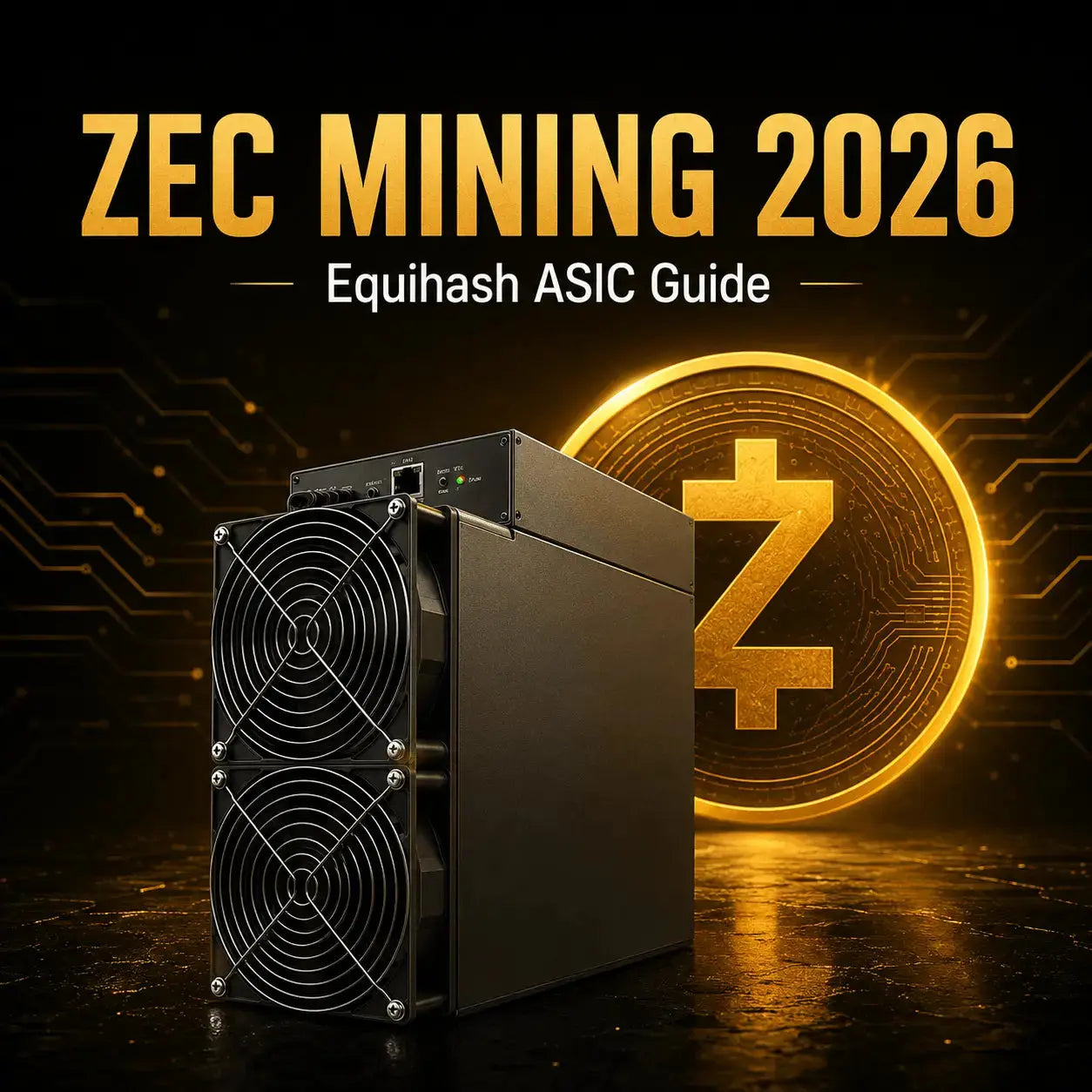
2026 年の ZEC マイニング:
Equihash ASIC が理にかなっている場合
Zcash マイニングの経済学 · Equihash ASIC の比較 · 電力コストのフレームワーク · 半減を意識した ROI 計画
12026 年の ZEC マイニング: 主要な決定
ジーキャッシュ (ZEC) は依然として最も有名な Proof-of-Work プライバシー コインの 1 つです。これはビットコインのコードベースから構築されましたが、プライバシーが重要な場合にユーザーが財務情報を保護できるように、オプションのシールドされたトランザクションが追加されました。マイナーにとって実際的な問題は、Zcash が興味深いかどうかではありません。それは、ZEC マイニングが 2026 年になっても合理的な運用期間を提供できるかどうかです。
答えは、電気料金、ハードウェア効率、インフラストラクチャの準備状況、ZEC 市場の状況という 4 つの入力情報によって決まります。 Zcash の用途 等価ハッシュ (200,9)、およそ 75 秒ごとにブロックを生成し、現在は 2024 年 11 月の半減期以降に動作しており、そのときブロック報酬は 3.125 ZEC から 1.5625 ZEC。これにより、2028 年頃に予想される次の報酬削減までに、マイナーに明確な計画期間が与えられます。
2024 年の半減後も、マイナーは依然として各ブロック報酬の最大のシェアを受け取ります。これは、ハッシュレートのインセンティブを意味あるものに保ちますが、ROI モデルが ZEC 価格、ネットワークの難易度、次の半減期までの残り時間を考慮する必要があることも意味します。
2ZEC マイニング経済学の仕組み
ZEC マイニングの収益は、ブロック報酬、ネットワークの難易度、プールのパフォーマンス、ハードウェアの効率、コインの価格によって決まります。マイナーが制御できる側面は、電力コスト、稼働時間、冷却、プールの選択、ハードウェアの購入価格などより狭いです。収益性の高いセットアップは、通常、安価な電力で始まりますが、オペレーターがダウンタイムと熱を制御しているため、存続できます。
これが、ZEC マイニング プランが毎日の総収益ではなく純利益を中心に構築されるべき理由です。総生産高は魅力的に見える一方で、電気代、手数料、不良品、冷却費、修理リスク、市場の滑りを考慮すると実質利益率は縮小します。
3Equihash ASIC が GPU マイニングを置き換えた理由
Zcash は当初、多くの古いマイニング アルゴリズムよりも GPU に優しいことを目的としたメモリハード アルゴリズムとして Equihash を使用していました。時間が経つにつれて、専用の Equihash ASIC が主要なハードウェア クラスになりました。実際の 2026 年のマイニング条件では、GPU はもはや大規模な ZEC マイニングの競争力のあるパスではありません。
購入者にとって重要な点はアルゴリズムの安定性です。 Zcash コミュニティは以前、ASIC への耐性を検討しており、ネットワークを ASIC から切り離すことはしませんでした。これにより、ハードウェアの主要なリスクが 1 つ軽減されます。Equihash ASIC の購入は、マイニング アルゴリズムを頻繁に変更するエコシステムに比べて、突然のアルゴリズム フォークによって無効になる可能性が低くなります。
代表的な Equihash ASIC
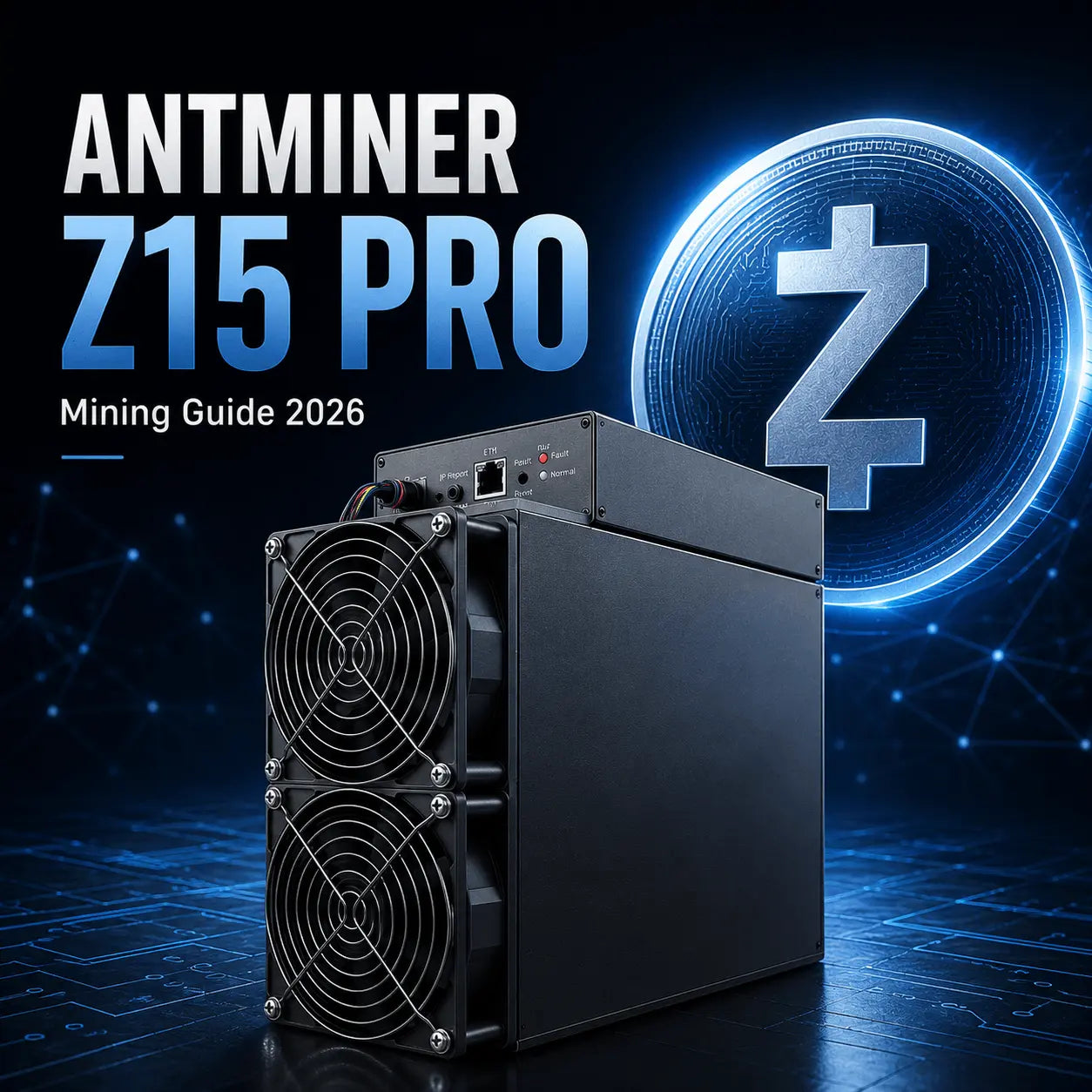
Antminer Z15 および Z15 Pro は、現在の Equihash ASIC 状況を理解するための有用なベンチマークです。この比較は採掘計画をサポートするために含まれていますが、主な焦点は依然として広範な ZEC 採掘に関する決定です。
| 仕様 | アントマイナー Z15 | アントマイナー Z15 プロ |
|---|---|---|
| アルゴリズム | 等価ハッシュ (200,9) | 等価ハッシュ (200,9) |
| 最大ハッシュレート | 420キロソル/秒 | 840キロソル/秒 |
| 消費電力 | 約1,510W | 約2,780W |
| エネルギー効率 | 約3.60J/kSol | 約3.31J/kSol |
| チップノード | 7nmクラス | 7nmクラス |
| ノイズプロファイル | 約70dB | 約72~75dB |
| 冷却 | デュアルファン | デュアルファンのプッシュプルエアフロー |
| 典型的な使用例 | 低エントリーコストの Equihash マイニング | より高出力の ZEC マイニング運用 |
| 採掘可能な資産 | ZEC、ZEN、その他の Equihash コイン | ZEC、ZEN、その他の Equihash コイン |
Z15 Pro は、kSol あたりの効率を向上させながら、ハッシュレートを Z15 の 2 倍にします。十分な電力と冷却を備えたオペレータにとって、本格的な ZEC マイニングには Pro がよりクリーンな選択肢となります。予算に敏感な購入者にとって、標準の Z15 は、購入価格が生産力の低下を補うのに十分に低い場合にのみ意味があります。
4電気料金と収益性のシナリオ
電気料金は、Equihash ASIC を購入する前に最初にテストする数値です。 Z15 Pro についての図 2,780W 大雑把に使う 1日あたり66.72kWh。つまり、電力価格のわずかな違いが日々の純利益を大きく変える可能性があるということです。
| 電気料金 | 1 日あたりの電力コスト | 総収益の例 | 純利益の例 | 操作ビュー |
|---|---|---|---|---|
| 0.05ドル/kWh | $3.34 | 約 $39.88 | 約 $36.54 | 素晴らしい |
| 0.07ドル/kWh | $4.67 | 約 $39.88 | 約$35.21 | 強い |
| 0.10ドル/kWh | $6.67 | 約 $39.88 | 約$33.21 | 実行可能 |
| 0.15ドル/kWh | $10.01 | 約 $39.88 | 約29.87ドル | モニター |
| 0.20ドル/kWh | $13.34 | 約 $39.88 | 約26.54ドル | リスクが高い |
図はソース記事の 2026 年 6 月の想定に基づいたシナリオの例です。ハードウェアを購入する前に、必ずライブ電卓データに置き換えてください。
ZEC ASIC 購入者の純利益計算式
- 1 日あたりの総収益 = ZEC 採掘/日 x ZEC 市場価格
- 1日あたりの電気代 = マイナー kW x 24 x 電気料金
- 正味/日 = 総収益 - 電気料金 - プール料金 - ダウンタイム - メンテナンス諸経費
- 回収期間 = 着陸したハードウェアの総コスト / 1 日あたりの純利益
1 つの電卓のスクリーンショットに基づいて購入しないでください。現在の ZEC 価格、現在のネットワークの難易度、実際の電力契約、プール料金、ホスティング コスト、税金、送料、予想されるダウンタイムを使用してモデルを再実行します。
5Zcash 半減期タイムラインと 2028 年の計画期間
Zcashはすでに2回の大きな半減期を完了している。 2回目は次の日に発生しました 2024 年 11 月 23 日 ブロック 2,726,400 で、ブロック報酬が 3.125 ZEC から 1.5625 ZEC。次に予想される半減期は2028年頃で、発行量は再び減少するだろう。
2026 年に参入するマイナーは限られた報酬ウィンドウを利用しているため、これは重要です。保守的な仮定に基づいて予測される ROI が 1 年未満であれば、そのタイミングは実行可能である可能性があります。回収モデルが次の半減期に近づくと、リスクが急激に増加します。
| イベント | 日付 | ブロックの高さ | イベント後の報酬 |
|---|---|---|---|
| 打ち上げ | 2016年10月 | 創世記 | 12.5ZEC |
| ブロッサムアップグレード | 2019年12月 | 653,600 | 6.25 ZEC 相当ケイデンス |
| 最初の半減期 | 2020年11月18日 | 1,046,400 | 3.125 ZEC |
| 2番目の半減期 | 2024 年 11 月 23 日 | 2,726,400 | 1.5625 ZEC |
| 3番目の半減期 | 2028年頃予想 | 約4,406,400 | 0.78125 ZEC |
6Operator Fit: 2026 年に誰が ZEC をマイニングすべきか?
ZEC マイニングは魅力的ですが、カジュアルな家庭用マイニングではありません。 Z15 Pro は 3 キロワット近くを消費し、かなりの熱を生成し、工業用騒音レベルで動作します。最も有力な買い手は、電力、エアフロー、稼働時間、採掘リスクをすでに理解しているオペレーターです。
Z15 Pro は、プラグアンドドロップできる小さなデバイスではありません。約 2,780 W および 72 ~ 75 dB では、適切な回路容量、換気、熱管理、および継続的なファンの騒音が許容される場所が必要です。
7ZEC のプール マイニングとソロ マイニング
ほとんどの個人マイナーにとって、 プールマイニングが現実的な選択です。ソロマイニングではプール料金を回避できますが、オペレーターが実質的なハッシュレートを制御しない限り、支払いの差異が高すぎます。プールマイニングは、その差異をより予測可能な支払いに平滑化します。
ZEC プールを比較するときは、支払いモデル、プール料金、サーバーの場所、最低支払いしきい値、信頼性、過去のハッシュレート シェアに注目してください。レイテンシや支払いポリシーが異なる場合、あるマイナーにとって最適なプールが別のマイナーにとって最適なプールであるとは限りません。
| 因子 | ソロマイニング | プールマイニング |
|---|---|---|
| 収入の安定性 | 変動性が高く、ブロックに依存する | 毎日または定期的な支払いがよりスムーズに |
| 料金 | プール料金なし | 通常、少額の手数料がかかります |
| 実行可能な最小ハッシュレート | 大規模な複数マシンの操作に最適 | 単一の ASIC でも実用的 |
| セットアップの複雑さ | より高い。ノードとソロのセットアップが必要 | より低い;ストラタムURLとウォレットを設定する |
| ベストフィット | 変動許容度のある大規模ファーム | ほとんどの個人および小規模マイナー |
8ハードウェア購入前のリスク チェックリスト
優れた ZEC マイニング計画は、弱い前提条件に耐えられるはずです。ハードウェアを購入する前に、価格の下落、難易度の上昇、納期の遅延、熱負荷の増加、および完璧とは言えない稼働時間に対してモデルのストレス テストを行ってください。
- ZEC価格リスク: コインの価格が下落すると収益が急速に減少する可能性があります。
- 難易度のリスク: ネットワークハッシュレートが増加すると、マシンごとにマイニングされるコインが減少します。
- インフラストラクチャのリスク: エアフロー、回路容量、またはサウンド制御が不十分な場合、動作が実用的でなくなる可能性があります。
- ハードウェア価格のリスク: 過剰な支払いは返済期間を延長し、柔軟性を低下させます。
- プールと稼働時間のリスク: 拒否された共有、不安定な接続、ダウンタイムにより実質収入が減少します。
- リスクを半減: 2028 年の報酬削減はあらゆる投資回収モデルの一部となるべきです。
モデルが楽観的な ZEC 価格、完璧な稼働時間、および低難易度の成長だけで優れているように見える場合は、セットアップが脆弱すぎる可能性があります。より健全な計画は、保守的な前提の下でも機能します。
9FAQ: ZEC マイニング、Equihash ASIC、および ROI
ZEC マイニングは 2026 年に利益をもたらしますか?
ZEC マイニングは、効率的な Equihash ASIC、低い電気料金、適切なインフラストラクチャを備えたマイナーにとって収益性が高くなります。収益性は ZEC の価格、難易度、料金、稼働時間によって変化します。
2026 年の最高の ZEC マイナーは何ですか?
Antminer Z15 Pro は、840 kSol/s を提供し、標準の Z15 よりも優れた効率を提供するため、主要な Equihash ASIC オプションです。
GPU を使用して ZEC をマイニングできますか?
専用の Equihash ASIC がハッシュレートと効率を支配するため、GPU マイニングは一般的に 2026 年の ZEC にとって競争力がありません。
Z15 Proはどれくらいの電力を消費しますか?
Z15 Pro は、24 時間連続稼働した場合、1 日あたり約 2,780 W、つまり約 66.72 kWh を消費します。
ZEC をソロで採掘するべきですか、それともプールに参加するべきですか?
プールマイニングは支払いの差異を軽減し、ソロマイニングよりも操作が簡単であるため、ほとんどのマイナーはプールに参加する必要があります。
次の Zcash の半減はいつですか?
次の Zcash の半減期は 2028 年頃と予想されており、その際のブロック報酬は 1.5625 ZEC から 0.78125 ZEC に低下すると予測されています。
Z15 Proはホームマイニングに適していますか?
準備された家やガレージのセットアップで使用できますが、消費電力、熱、および 72 ~ 75 dB の騒音レベルが高いため、通常の生活空間には適していません。
意思決定の枠組み
2026 年の ZEC マイニングは、電力が手頃な価格であること、インフラストラクチャが高出力 ASIC 動作に対応できる準備が整っていること、予想される 2028 年の半減期までに回収モデルが合理的なままであること、という 3 つの条件が揃った場合に理にかなっています。ハードウェアの選択は重要ですが、それは決定の一部にすぎません。
最適な候補者は、低コストの電力、適切な冷却、音響制御、およびライブ市場データを使用して収益性の仮定を更新する習慣を備えたマイナーです。カジュアルホームマイナー、関税の高い地域、最良の ROI 数値に依存する購入者は、より慎重になる必要があります。
ZEC マイニングを、固定投資回収商品としてではなく、変動収益を伴う運営事業として扱います。頻繁に再計算し、稼働時間を保護し、市場の低迷によって計画が崩れないようにハードウェア購入の規模を決定します。


コメントを残す
このサイトはhCaptchaによって保護されており、hCaptchaプライバシーポリシーおよび利用規約が適用されます。