
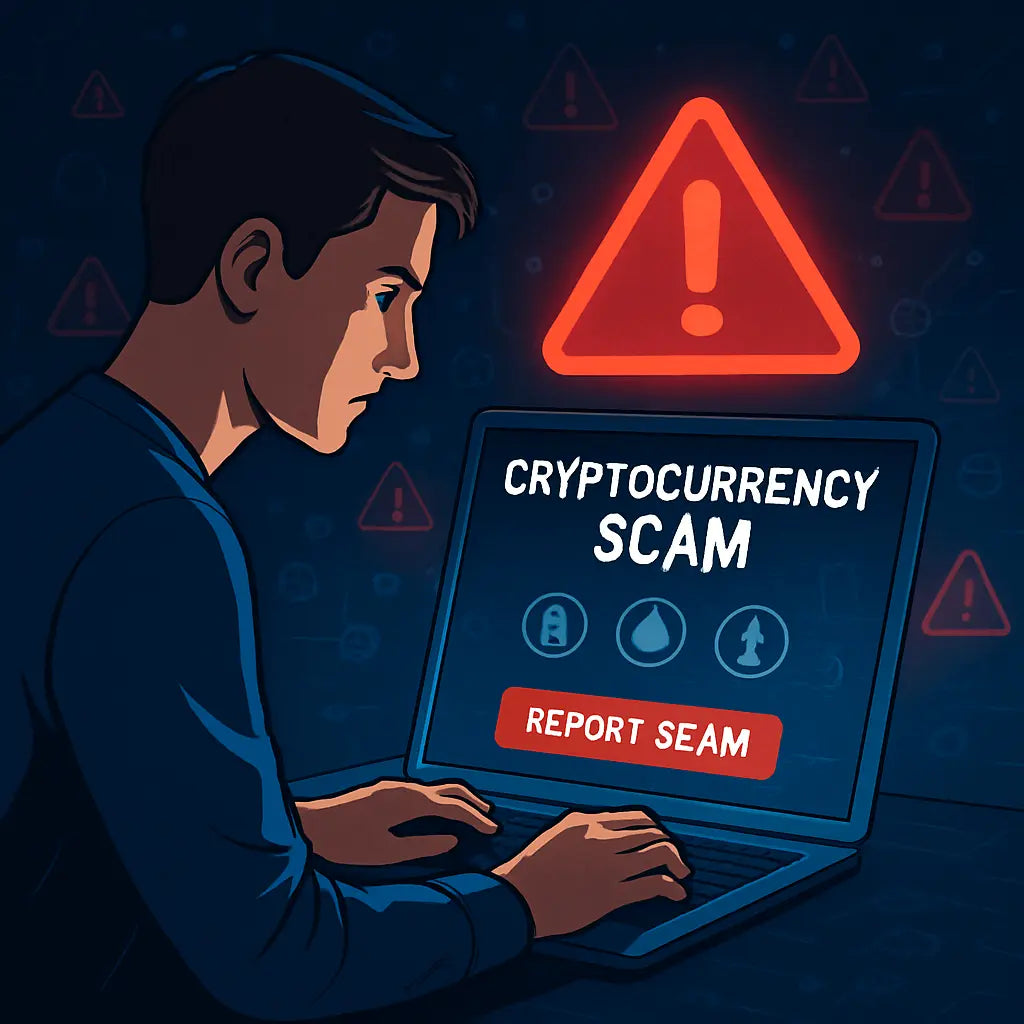
Le criptovalute hanno aperto le porte a pagamenti veloci, finanza decentralizzata e nuove entusiasmanti opportunità di investimento. Tuttavia, comportano anche crescenti rischi di truffe. Dalle false piattaforme di investimento alle e-mail di phishing e alle rapine, i truffatori escogitano costantemente nuovi modi per rubare fondi. Sfortunatamente, a differenza dei sistemi bancari tradizionali, le transazioni crittografiche sono generalmente irreversibili e il recupero dei beni rubati può essere estremamente difficile.
Se sei caduto vittima di una truffa crittografica o sospetti qualcosa di sospetto, non farti prendere dal panico. Non sei solo. Segnalare le truffe sulle criptovalute è una delle azioni più importanti che puoi intraprendere. Anche se il recupero non è sempre garantito, la tua segnalazione può aiutare a identificare i malintenzionati, a chiudere le operazioni fraudolente e a impedire che altri cadano nella stessa trappola.
Questa guida ti guiderà attraverso i tipi più comuni di truffe crittografiche, come riconoscerli, dove e come segnalarli e suggerimenti su come prevenire perdite future.

Tipi comuni di truffe crittografiche
1. Piattaforme di investimento false
Siti Web truffa che sembrano legittimi e promettere rendimenti elevati in breve tempo. Spesso utilizzano recensioni di utenti false e grafici in tempo reale. Una volta depositati fondi, i prelievi vengono bloccati o il sito scompare.
2. Attacchi di phishing
I truffatori si spacciano per scambi o portafogli tramite e-mail o messaggi e attirano gli utenti su pagine di accesso false per rubare credenziali e fondi.
3. Truffe omaggio
Popolari sui social media, i truffatori si fingono celebrità o società di criptovalute, sostenendo che riceverai più criptovalute se invii prima una piccola somma. Una volta inviati, i tuoi fondi scompariranno per sempre.
4. App e portafogli falsi
App fraudolente mascherate da portafogli o scambi di criptovalute legittimi, progettate per rubare le tue chiavi private o i dettagli di accesso.
5. Il tappeto tira nella DeFi
Presenti nella finanza decentralizzata (DeFi) e nei progetti di monete meme, queste truffe coinvolgono i creatori di progetti che pubblicizzano token, per poi vendere improvvisamente le loro partecipazioni e scomparire con i soldi.
6. Truffe romantiche e di ingegneria sociale
I truffatori costruiscono relazioni con le vittime online per convincerle a investire in progetti fraudolenti o inviare fondi.
7. Schemi Ponzi e piramidali
Questi si basano sul reclutamento di nuovi investitori per pagare quelli precedenti. Alla fine crollano, lasciando la maggioranza con enormi perdite.
Segnali di pericolo di una truffa crittografica

-
Promesse di profitti garantiti o esagerati (ad esempio "raddoppia i tuoi soldi in 24 ore")
-
Urgenza o pressione per investire rapidamente
-
Informazioni sul progetto vaghe o evasive
-
Testimonianze false e sponsorizzazioni di celebrità
-
Richieste per la tua chiave privata o frase seed (non condividerle mai)
-
URL o nomi di app sospetti
-
Nessun supporto clienti legittimo o canali di contatto
Passaggi da eseguire immediatamente dopo essere stati truffati
-
Mantieni la calma e agisci in fretta
-
Raccogli prove: screenshot, indirizzi di portafoglio, ID di transazione, conversazioni
-
Interrompi ogni contatto con il truffatore
-
Trasferisci i fondi rimanenti su un portafoglio sicuro
-
Informa il tuo fornitore di borsa o portafoglio
-
Avvisa amici, familiari e membri della comunità
-
Prepararsi a presentare rapporti formali
Segnalazione alle forze dell'ordine locali
-
Visita o contatta la polizia locale con tutta la documentazione
-
Utilizzare portali nazionali sulla criminalità informatica (ad esempio, IC3 negli Stati Uniti, Action Fraud nel Regno Unito)
-
Descrivi chiaramente l'incidente e richiedi una segnalazione o un numero di caso
-
Anche se il recupero è improbabile, la tua segnalazione contribuisce alle indagini penali
Reporting al governo e alle agenzie globali
-
Unità nazionali antifrode e criminalità informatica
-
Interpol ed Europol
-
Piattaforme di segnalazione delle frodi blockchain come Chainabuse
-
Invia informazioni dettagliate: sequenza temporale, cronologia delle transazioni, indirizzi dei portafogli, comunicazioni
-
Sii paziente e collaborativo in tutte le indagini in corso
Segnalazione agli scambi e alle piattaforme di portafoglio
-
Invia un ticket di supporto dettagliato sul sito ufficiale
-
Fornisci ID transazione, screenshot e log di comunicazione
-
Se truffato da un altro utente, richiedi la revisione o il blocco dell'account
-
Segui regolarmente e tieni traccia delle tue interazioni
Utilizzo di strumenti e comunità di reporting online
-
Utilizza Chainabuse, CryptoScamDB e database simili
-
Condividi la tua esperienza su Reddit, BitcoinTalk o Discord
-
Contrassegna indirizzi di portafogli sospetti su Etherscan o blockchain explorer
-
Avvisare gli altri tramite i social media (solo con informazioni precise)
-
Proteggi la tua privacy: evita la condivisione eccessiva dei dati personali
Cosa succede dopo la segnalazione
-
Le autorità potrebbero iniziare a indagare
-
L'analisi blockchain può essere utilizzata per rintracciare i fondi rubati
-
Conti o portafogli potrebbero essere congelati
-
Potreste essere contattati per ulteriori informazioni
-
Sebbene il recupero sia raro, esistono casi di successo
-
La tua segnalazione aiuta a migliorare la sicurezza e la prevenzione della comunità
Come evitare future truffe crittografiche
-
Ricerca approfondita di progetti e team
-
Attenersi a scambi e portafogli affidabili
-
Abilita 2FA e utilizza password complesse e univoche
-
Ricontrolla gli URL e i collegamenti e-mail
-
Sii scettico nei confronti dei rendimenti troppo belli per essere veri
-
Rimani aggiornato sulle tattiche di truffa
-
Non condividere mai le tue chiavi private o le frasi di recupero
Considerazioni finali
La criptovaluta porta innovazione e opportunità, ma richiede anche consapevolezza e cautela. Comprendere le tattiche di truffa, segnalare tempestivamente e adottare buone abitudini di sicurezza sono essenziali per proteggere te stesso e la comunità più ampia.
La segnalazione non riguarda solo la tua perdita: riguarda la prevenzione di future vittime e il contributo a un ecosistema crittografico più sicuro.
Costruiamo insieme un mondo di criptovalute più sicuro e affidabile.










22 commenti
Linda
The Rising Threat of Cryptocurrency Scams And Why Victims Deserve Real Protection
Losing cryptocurrency to a scam, hack, or fraudulent investment is devastating. Because blockchain transactions are irreversible, many victims don’t know where to begin—or which companies they can trust. While no recovery method can guarantee results, taking the right steps early can significantly increase the chances of tracing your assets, documenting evidence, and pursuing legitimate recovery channels.
Among the most heartbreaking cases are those involving elderly victims, who are often targeted because they may be less familiar with digital technology. These scams are carefully designed to manipulate emotions, build trust, and ultimately drain victims’ savings.
Given this surge in digital fraud, the demand for professional crypto-asset recovery services has never been greater. While law enforcement agencies are catching up, the reality is that many victims are left feeling confused, helpless, and unsure of where to turn.
Why Crypto Recovery Services Are So Important
Legitimate crypto recovery services like Infinite Digital Recovery play a crucial role in the fight against online fraud. Cybersecurity experts and blockchain analysts can often:
• trace stolen funds across multiple
wallets
• identify suspicious transaction patterns
• provide evidence to law enforcement
• guide them through safe next steps
• support fraud victims emotionally and legally
Unfortunately, alongside ethical experts, there is another rising problem: fake crypto recovery companies that prey on victims a second time. These fraudulent “recovery agents” promise guaranteed refunds, demand upfront fees, and then disappear.
Why Criminals Who Target the Elderly Deserve Serious Penalties
Crypto scammers often go after seniors because they are more likely to:
• trust authority figures
• be unfamiliar with digital wallets
• fall for impersonation scams
• act quickly under emotional pressure
This makes them prime targets for criminals who exploit their vulnerability.
Victims often lose not just money, but their sense of security. Many suffer anxiety, depression, or embarrassment, preventing them from seeking help. Meanwhile, scammers continue operating with impunity.
Stronger penalties, better international cooperation, and stricter digital fraud legislation are essential. Those who steal from the elderly or anyone should face severe consequences.
Here are some of the fastest-growing crypto fraud schemes:
1. Fake Investment Platforms
Fraudsters build websites that mimic real trading platforms, complete with charts, dashboards, and AI-generated “support agents.” Victims are shown fake profits and encouraged to deposit more money.
2. Romance & Emotion-Based Scams
Scammers build long-term online relationships, then gradually convince victims to “invest together,” ultimately stealing their funds.
3. Phishing & Fake Wallet Links
Hackers mimic official wallet apps or exchange sites, tricking users into entering private keys or passwords.
4. Fake Tech Support & Password Resets
Victims are told there is a problem with their wallet, which encourages them to grant scammers remote access.
5. Social Media Impersonation Scams
Scammers pretend to be influencers, celebrities, or crypto-project founders, promising giveaways or guaranteed returns.
Awareness is the first line of defense.
How to Identify a Legitimate Crypto Recovery Service
When searching for real help, use this checklist to avoid being scammed twice:
✔️ 1. They do NOT guarantee 100% recovery.
✔️ 2. They do NOT request large upfront payments.
Ethical teams use transparent billing or work with law enforcement.
✔️ 3. They can explain the technical process clearly.
A legitimate specialist walks victims through blockchain tracing, transaction analysis, and reporting.
✔️ 4. They provide proof of previous work or client testimonials.
✔️ 5. They encourage victims to involve law enforcement.
✔️ 6. They have a real company presence, not hidden identities.
How Victims Can Start the Recovery Process Safely
If you or someone you know lost crypto to fraud, take these steps immediately:
1. Document everything
Save wallet addresses, transaction IDs, screenshots, chat logs, emails, and platform URLs.
2. Report the scam
3. Stop communicating with the scammer
4. Consult a verified cybersecurity or blockchain forensics expert, like Infinite Digital Recovery
As cryptocurrency adoption grows in the U.S. and the U.K., scammers are becoming more advanced. This means we need more professionals who:
• specialize in blockchain investigations, prioritize victim protection
Crypto scams have caused immense harm worldwide, especially among older adults who deserve safety and respect. While not every asset can be recovered, ethical recovery professionals, regulatory improvements, and increased public awareness can help reduce victims’ losses and hold criminals accountable. Reach out to Infinite Digital Recovery via
Email: infinitedigitalrecovery@techie.com
WHATSAPP: + 132*355*43592
Andrew Williams
I lost over $100,000 in an investment trading company last week; I was down because the company refused to let me make withdrawals and kept asking for more money.
My friend in the military introduced me to a recovery agent Scam Recovery Crypto he’s been really helpful, he made a successful recovery of 95% of my investment in less than 24 hours, I’m so grateful to him.
If you are a victim of a binary scam and need to get your money back, please don’t hesitate to contact Scam Recovery Crypto in any of the information below.Email: ( ScamRecoveryCrypto@consultant.com )
Alfred Donald
I would like to take a moment to share my positive experience with Blockchain Recovery Services. Initially, I was unsure if it would be possible to recover my stolen bitcoins. However, with their expertise and professionalism, I was able to fully recover my funds.
Unfortunately, many individuals fall victim to scams in the cryptocurrency space, especially those involving fraudulent investment platforms. However, I advise caution, as not all recovery services are legitimate.
I personally lost $273,000 worth of Bitcoin from my Binance account due to a deceptive platform. If you have suffered a similar loss, you may be considering crypto recovery.The Blockchain Recovery Services is the most knowledgeable and effective they assisted me in recovering my stolen funds within 24 hours, after getting access to my wallet. Their service was not only prompt but also highly professional and effective, and many recovery services may not be trustworthy.
Therefore, I highly recommend Blockchain Recovery Services to you. i do always research and see reviews about their service, For assistance finding your misplaced cryptocurrency, get in touch with them, They do their jobs quickly and excellently, Stay safe and vigilant in the crypto world.
Contact: BlockchainRecoveryGroup@mail.com
Ana Gonzales
My first error was believing that investing in cryptocurrency would increase my income. I got conned out of $120,000 in bitcoin by a well known investment scam.
A few weeks later, I was looking through my email when I saw a notification about a recovery agent named Cyber Refund Experts who could help me get my bitcoin back in a few hours.I was initially apprehensive but I eventually got in touch with them, and within 24hours, he was able to get back all of my lost bitcoin.
They are the greatest bitcoin/funds recovery team around, thus you should get in touch with them right away if you experience any such problems. Contact information..
CyberRefundExperts@consultant.com
Elizabeth Ruth
Losing one’s Crypto currency to Scam Investment can be a devastating thing to experience, the fact that it is almost impossible to recover a Stolen or lost Crypto coin hurts more than anything.
When a person gets scammed of their money while investing in a crypto currency platform the only thing they can think of is how to report the company and get back their money.Most victims of the scam contact their wallet account provider, their bank or the law enforcement, a few end up hiring a lawyer to sue the company but after all this stress they still can’t get their money back.
For a fact, I’d state that, anyone who finds he or herself in a position, needing to get back their cryptocurrency from the bogus investment companies, should reach the Agency who are taking it to the chin by helping victims get their crypto currency back to their wallets.
Best way to do this is by sending a mail to their support on:- TrustGuardRecoveryServices@usa.com
WhatsApp: +1 336 561 8007
Lascia un commento
Questo sito è protetto da hCaptcha e applica le Norme sulla privacy e i Termini di servizio di hCaptcha.