
Come estrarre Alephium (ALPH) nel 2026:
La guida completa per principianti
GPU vs ASIC · configurazione del portafoglio · mining in pool e in solitario · monitoraggio della redditività
In questa pagina
Se stai cercando come estrarre Alephium, un Configurazione del mining ALPH, o GPU vs ASIC per il mining di Alephium, questa guida illustra il processo pratico dalla preparazione del portafoglio al monitoraggio della redditività. L’obiettivo non è promettere un ritorno. Serve per aiutarti a costruire una configurazione che possa essere misurata, protetta e utilizzata in sicurezza.
1Cos'è Alephium e perché le persone estraggono ALPH?
Alephium è una catena Proof of Work con una propria architettura: sharding BlockFlow e un design Proof of Less Work. Per i minatori, il punto importante è che il mining è disponibile sia in modalità solista che in pool.
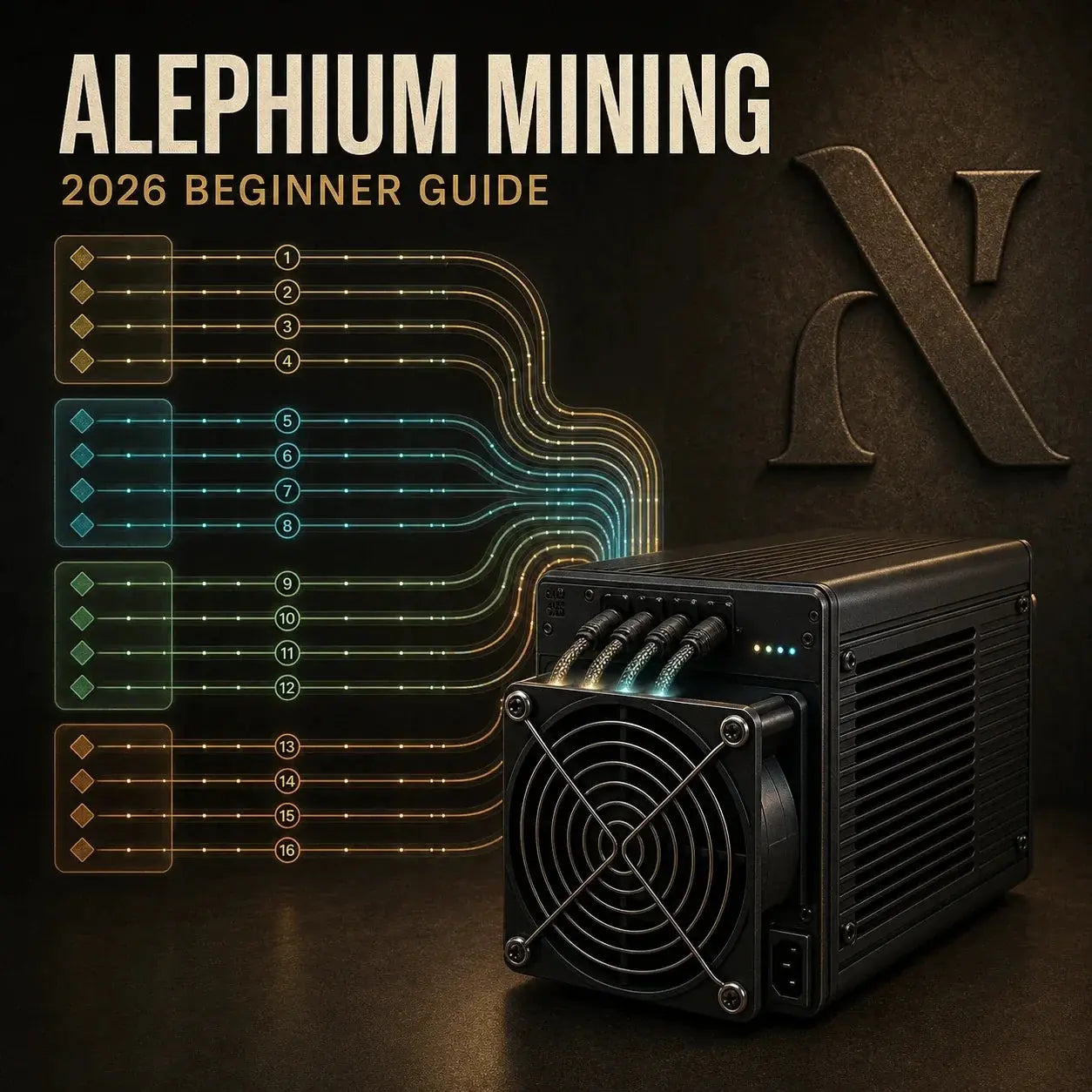
Secondo l'attuale documentazione ufficiale del mining, Alephium supporta quattro gruppi di indirizzi e sedici catene, ha un tempo di blocco di otto secondi e blocca le monete appena estratte per circa 500 minuti. Questi parametri influenzano la preparazione del portafoglio, i tempi di pagamento e la varianza del mining. Alephium non utilizza un programma di dimezzamento fisso in stile Bitcoin; le sue FAQ ufficiali spiegano che le emissioni dipendono dall'hashrate e dal timestamp della rete, quindi le informazioni attuali sulla ricompensa dovrebbero sempre essere controllate prima di fare ipotesi sul ROI.
Il premio di rete mostrato nella documentazione ufficiale è un valore attuale, non una specifica permanente. Utilizza la panoramica ufficiale del mining o il calcolatore del ROI il giorno in cui valuti l'hardware.
2Vale la pena fare mining ALPH per te? Un rapido controllo della realtà
Prima di acquistare l'hardware, rispondi a cinque domande:
- Il costo dell’elettricità è sufficientemente basso da supportare un profitto netto positivo?
- Disponi di un luogo con condizioni di calore e rumore accettabili?
- Puoi far funzionare le attrezzature minerarie in modo continuo e sicuro?
- Ti senti a tuo agio con la volatilità del prezzo ALPH e delle difficoltà di rete?
- Puoi avere una visione a medio-lungo termine invece di reagire alle entrate giornaliere?
Se hai risposto no alla maggior parte di queste domande, metti in pausa l'acquisto dell'hardware e prova con l'attrezzatura che già possiedi. Nel calcolo rientrano l'energia elettrica, il raffreddamento, i tempi di inattività, i costi della piscina e la manutenzione. L’hashrate del titolo da solo non ti dice se una configurazione è fattibile.
3GPU vs ASIC per il mining di Alephium: quale scegliere?
Questa rimane la decisione più importante per un principiante.
Mining GPU: il meglio per apprendimento e flessibilità
Una GPU può essere una buona soluzione quando possiedi già hardware di gioco o workstation, desideri una voce con un impegno inferiore, puoi passare a un'altra moneta in un secondo momento e apprezzi la flessibilità di rivendita. Il compromesso è un’efficienza inferiore rispetto all’hardware specializzato in condizioni di rete competitive. Conferma che l'attuale software di mining supporti ancora sia la tua GPU che ALPH prima di fare ipotesi da un vecchio benchmark.
Mining ASIC: il meglio per l'efficienza a lungo termine
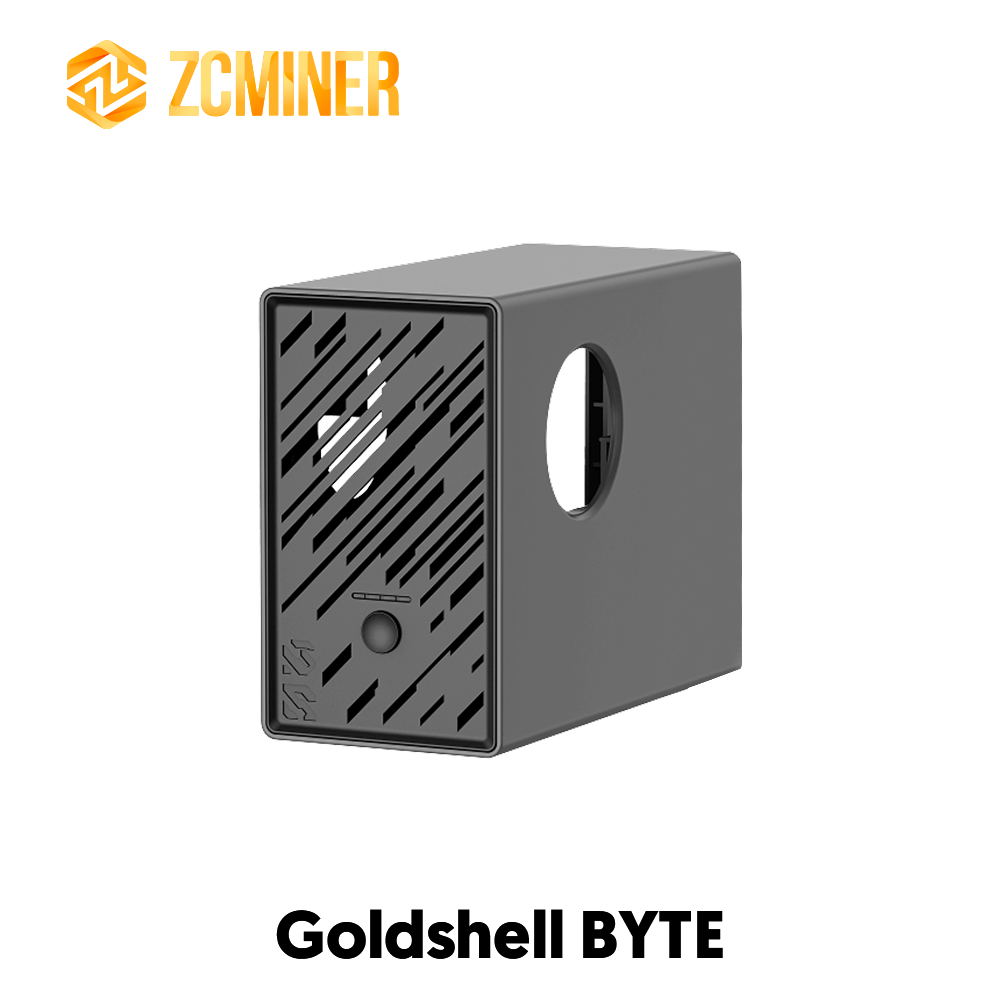
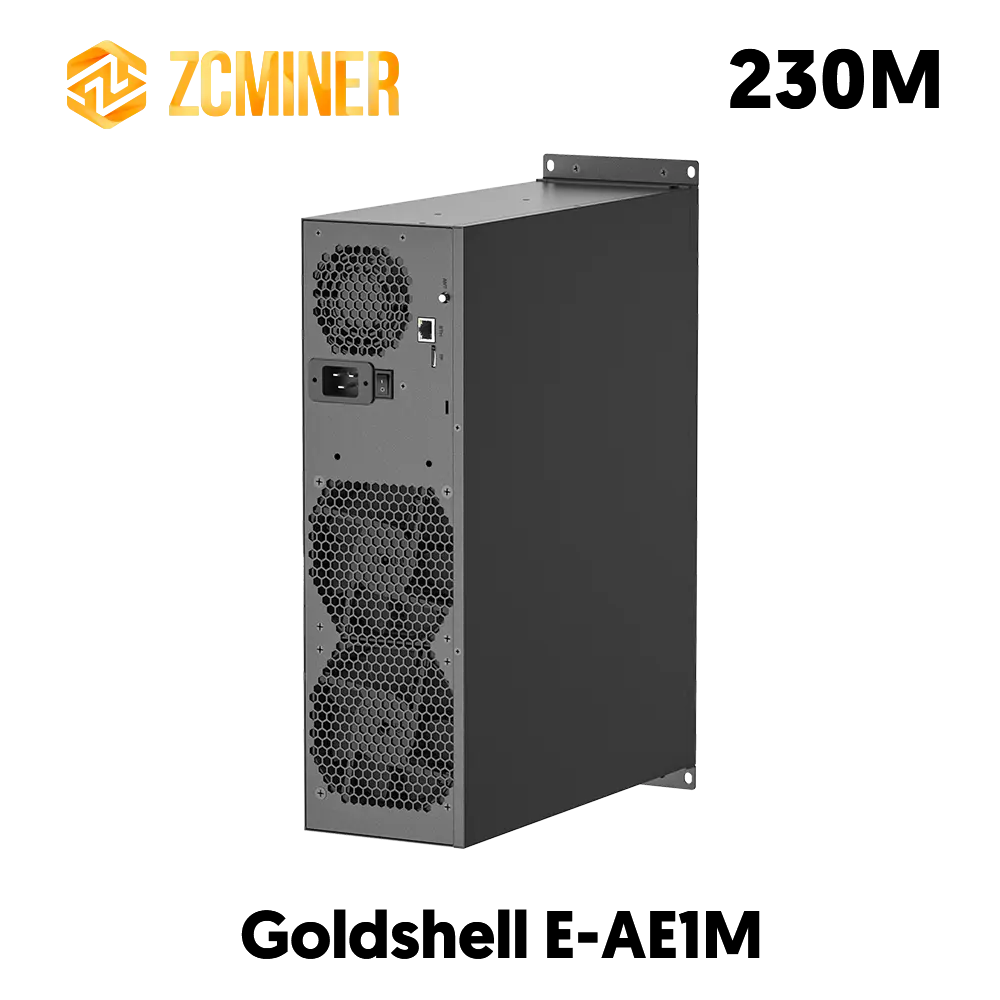
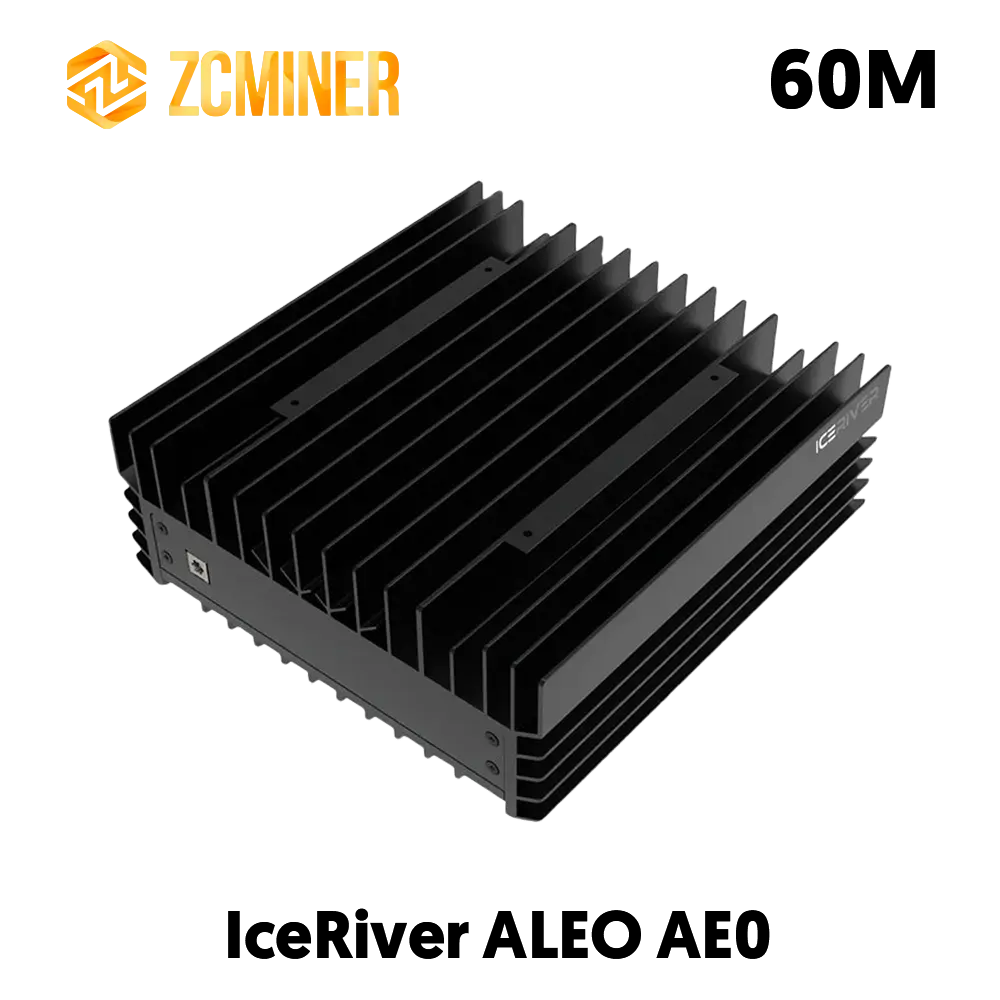
Un ASIC può essere una buona soluzione quando si desidera una maggiore densità di hashrate, avere alimentazione e ventilazione stabili, pianificare di funzionare per mesi anziché giorni e accettare rischi di rivendita specifici del modello. Il compromesso è un costo iniziale maggiore e una maggiore dipendenza da una nicchia mineraria. Verificare il supporto ALPH attuale, l'origine del firmware, l'alimentazione a muro, i requisiti dell'alimentatore, la garanzia, il rumore e il calore prima di ordinare.
| Decisione | Scegli GPU quando | Scegli ASIC quando |
|---|---|---|
| Obiettivo principale | Impara prima e limita l’impegno | Dai priorità alla produzione continua e all’efficienza |
| Flessibilità | È possibile riutilizzare o rivendere l'hardware | Accetti il rischio hardware specifico dell'algoritmo |
| Sito | Puoi gestire driver, ottimizzazione e una piattaforma PC | Hai potenza, scarico e controllo del rumore adeguati |
| Verifica | Controlla il software del minatore e il supporto dei driver | Controlla firmware, wall draw, garanzia e compatibilità della piscina |
La versione precedente di questa guida utilizzava i prezzi dei singoli dispositivi ed esempi di entrate di breve durata. Questi numeri sono stati rimossi perché i prezzi dell'hardware, la difficoltà e le entrate ALPH cambiano troppo rapidamente. Confronta le specifiche verificate in tempo reale e calcola l'utile netto in base alla tua tariffa elettrica. Il Guida all'efficienza del minatore ASIC fornisce un quadro più duraturo dei costi dell’energia elettrica.
4Passaggio 1: imposta correttamente il tuo portafoglio Alephium
Hai bisogno di un portafoglio prima del mining in modo che la configurazione del pool o del solista abbia una destinazione di pagamento valida.
- Scarica un portafoglio Alephium ufficiale da un collegamento ufficiale del progetto.
- Crea un nuovo portafoglio e utilizza una password locale complessa.
- Esegui il backup della frase di ripristino offline e non inserirla mai nel software di mining.
- Prepara l'indirizzo di ricezione pubblico richiesto dal tuo metodo di mining.
Un portafoglio da minatore ha un importante dettaglio specifico di Alephium. La guida ufficiale del portafoglio desktop afferma che la rete attuale utilizza quattro gruppi e un portafoglio minerario necessita di un indirizzo per gruppo. Il portafoglio desktop può generare questi indirizzi attraverso la sua configurazione avanzata. Molti pool possono richiedere un indirizzo di pagamento nella propria configurazione, mentre i flussi di lavoro singoli e a nodo intero richiedono la procedura ufficiale dell'indirizzo del minatore. Segui le istruzioni per l'esatto metodo del pool o del nodo che utilizzi.
Un pool, un minatore, un rivenditore o un agente di supporto non ha mai bisogno della tua frase di recupero. Prova un piccolo pagamento prima di ridimensionare e mantieni il backup lontano dal computer di mining.
5Passaggio 2: scegli Pool Mining o Solo Mining
Per i principianti, il pool mining è solitamente la scelta migliore. Fornisce risultati accreditati più fluidi, una risoluzione dei problemi più semplice e una varianza di pagamento inferiore. Confronta tariffa, pagamento minimo, pianificazione dei pagamenti, posizione del server, latenza, reputazione, supporto, cronologia dei tempi di attività e quota del pool di hashrate di rete.
La guida ufficiale ai pool di Alephium mantiene un elenco aggiornato dei pool conosciuti e incoraggia i minatori a evitare un'eccessiva concentrazione. Un elenco non è una garanzia: verifica tu stesso il dominio del pool, il comportamento recente dei pagamenti, l'endpoint attuale e il canale di supporto.
Il mining in solitario può avere senso quando si dispone di un hashrate sufficientemente efficace, di un'esperienza di gestione dell'intero nodo, di un'infrastruttura affidabile e di pazienza per tempi di pagamento ad alta varianza. Se questo è il tuo primo mese di mining, inizia con la modalità pool e scopri come si comportano le azioni accettate, l'hashrate lato pool e i pagamenti del portafoglio prima di considerare l'operazione in solitario.
6Passaggio 3: installa e configura il software di mining
La documentazione ufficiale del pool di Alephium fa riferimento al minatore GPU Alephium open source e alle opzioni della community come BzMiner, lolMiner, T-Rex e SRBMiner. La disponibilità e il supporto cambiano, quindi utilizza l'elenco ufficiale corrente e scarica solo dal progetto verificato o dalla pagina dello sviluppatore.
La struttura di configurazione normalmente contiene l'endpoint e la porta del pool, il tuo portafoglio o account pubblico e il nome del lavoratore. I flag esatti dell'algoritmo e la sintassi del portafoglio variano in base al minatore e al pool. Utilizzare la pagina di configurazione del pool corrente invece di copiare un vecchio comando senza modifiche.
- Scegli l'endpoint regionale stabile più vicino.
- Confronta il primo e l'ultimo carattere dell'indirizzo del portafoglio dopo averlo incollato.
- Assegna a ogni dispositivo un nome lavoratore univoco.
- Inizia dalle impostazioni stock e salva una copia della configurazione di lavoro.
- Modifica le password predefinite della dashboard ed evita di esporre le pagine di controllo dei minatori all'Internet pubblica.
Prima di installare qualsiasi firmware o strumento remoto, rivedere il file Elenco di controllo per la sicurezza del firmware ASIC.
7Passaggio 4: verificare che funzioni effettivamente
“Programma avviato” non è sufficiente. Convalidare il percorso completo:
- Il minatore segnala un hashrate locale stabile.
- I registri mostrano le condivisioni accettate anziché i ripetuti rifiuti.
- La dashboard del pool rileva il tuo portafoglio o account.
- L'hashrate a bordo piscina inizia a stabilizzarsi nel tempo.
- Il saldo pendente cambia in base alle regole pubblicate del pool.
L'hashrate locale e quello del pool non corrisponderanno perfettamente in brevi periodi perché le stime del pool funzionano in base alle condivisioni inviate. Se il pool non riesce a vedere un lavoro valido, non lasciare il minatore in funzione per giorni sperando che il problema si risolva da solo.
8Prima lista di controllo per il monitoraggio di 48 ore
La maggior parte delle perdite iniziali derivano da problemi di configurazione non presidiati. Tieni traccia della coerenza dell'hashrate, delle condivisioni rifiutate o obsolete, delle temperature del dispositivo, del comportamento delle ventole, dell'alimentazione a muro, della frequenza di riconnessione, del credito del pool e dello stato dei pagamenti dal primo giorno.
| Metrico | Cosa registrare | Causa comune quando sbagliato |
|---|---|---|
| Lavoro accettato | Azioni accettate e rifiutate | Endpoint, sintassi del portafoglio errati, ottimizzazione instabile o latenza errati |
| Temperatura | Andamento ingresso, scheda, chip e stanza, ove disponibile | Ricircolo, aspirazione bloccata, polvere o accordatura eccessiva |
| Potenza del muro | Consumi reali stabili, non solo stime da dashboard | Instabilità dell'alimentatore, della tensione, del cavo o della sintonizzazione |
| Tempo di attività | Riavvii, riconnessioni e lacune offline | Rete, firmware, surriscaldamento o interruzione dell'alimentazione |
| Credito in piscina | Saldo in sospeso e cronologia dei pagamenti | Problema relativo alla soglia, al periodo di blocco, all'indirizzo o all'account |
Le cause principali includono la porta del pool errata, un formato errato del portafoglio, problemi con firewall o DNS, overclocking eccessivamente aggressivo, limitazione termica e una versione obsoleta del minatore. Modifica una variabile alla volta in modo da poter identificare cosa ha risolto o causato il problema.
9Redditività del mining ALPH: utilizzare l'utile netto, non l'hype
Utilizzare un modello di base coerente:
- Entrate lorde giornaliere = ALPH estratto al giorno moltiplicato per il prezzo ALPH corrente.
- Costo giornaliero dell'elettricità = potenza della parete in kilowatt moltiplicata per 24 e la tariffa elettrica fornita.
- Risultato netto giornaliero = entrate lorde meno elettricità, tariffa piscina, raffreddamento, indennità per tempi di inattività e manutenzione.
- Periodo di rimborso semplice = costo totale dell'hardware e di installazione diviso per un risultato netto giornaliero positivo.
Costruisci scenari conservativi, di base e ottimistici utilizzando dati in tempo reale dal tuo pool e dal tuo minatore. I precedenti esempi di dollari fissi sono stati rimossi perché potevano essere confusi con gli utili correnti. In uno scenario conservativo, riduci le entrate previste, includi i tempi di inattività e utilizza un prezzo token meno favorevole. Se il progetto funziona solo nel caso ottimistico, non è un piano resiliente.
Confronta il mining ALPH con altre opportunità attraverso il Quadro decisionale sull'estrazione di altcoin del 2026.
10Gestione del rischio: cosa fanno di diverso i minatori seri
Tratta il mining come un'operazione, non come un gioco d'azzardo:
- Conserva record separati per hashrate, wall power, pagamento del pool e prezzo del token.
- Imposta avvisi termici e offline.
- Ricontrolla le versioni del minatore e le impostazioni del pool dopo gli aggiornamenti.
- Prelevare regolarmente dai pool invece di lasciare un grande saldo inattivo.
- Mantenere i margini di sicurezza elettrica e pulire i percorsi del flusso d'aria.
- Mantieni i backup del portafoglio offline e ridondanti.
La tassazione mineraria dipende dalla giurisdizione e può includere il riconoscimento del reddito quando le monete vengono ricevute e guadagni o perdite quando vengono successivamente smaltite. Conserva la data e l'ora dei pagamenti, gli importi ALPH, i registri del valore di mercato, le fatture dell'elettricità, i costi dell'hardware e i registri dello smaltimento. Un registro pulito fin dal primo giorno è più facile da difendere e mantenere.
11Un piano d'azione per principianti di sette giorni
- Giorno 1: configurazione del portafoglio, preparazione dell'indirizzo di mining e backup di ripristino offline.
- Giorno 2: elenco dei pool selezionati, revisione delle tariffe, verifica degli endpoint e test di latenza.
- Giorno 3: installazione del minatore e primo avvio con impostazioni stock.
- Giorno 4: convalida della condivisione accettata e del dashboard del pool.
- Giorno 5: revisione della temperatura, dell'alimentazione a parete, del flusso d'aria e della stabilità.
- Giorno 6: prima revisione della redditività utilizzando dati netti conservativi.
- Giorno 7: decidere se continuare, trattenere, mettere in pausa o ridimensionare.
La migliore strategia per principianti rimane semplice: iniziare in piccolo, misurare onestamente l'utile netto, ottimizzare la stabilità prima di ridimensionare e aggiornare solo quando i propri dati operativi supportano la decisione.
12Domande frequenti
I principianti possono estrarre Alephium?
SÌ. Inizia con un dispositivo supportato e un pool affidabile, quindi verifica le condivisioni accettate, l'hashrate a lato del pool, l'alimentazione, la temperatura e il comportamento dei pagamenti prima di scalare.
Alephium ha un dimezzamento fisso?
No. La documentazione ufficiale afferma che il programma di emissione dipende dall'hashrate e dal timestamp della rete e che i premi vengono regolati dinamicamente.
Perché un portafoglio minerario ha bisogno di quattro indirizzi?
L'attuale rete Alephium utilizza quattro gruppi di indirizzi. La documentazione ufficiale del portafoglio desktop spiega come generare un indirizzo di mining per gruppo.
Un principiante dovrebbe usare la piscina o la miniera da solo?
Un pool è normalmente più semplice perché il lavoro accreditato è più frequente e la risoluzione dei problemi è più chiara. Il solo mining richiede un nodo completo, un’infrastruttura sicura, un hashrate sufficiente e una tolleranza per una varianza elevata.
13Riferimenti ufficiali
- Documentazione di Alephium: panoramica sull'attività minerariaStruttura della rete ufficiale, tempo di blocco target, riferimento del premio, blocco delle monete estratte, repository e calcolatore del ROI.
- Documentazione di Alephium: Guida al Pool MiningElenco ufficiale dei pool di comunità, riferimenti al software di mining e linee guida per la decentralizzazione dei pool.
- Documentazione Alephium: Configura un portafoglio minerarioPassaggi ufficiali per generare un indirizzo di mining per gruppo di indirizzi corrente.
- Documentazione Alephium: risoluzione dei problemi del minatoreGuida ufficiale per indirizzi di mining, connettività dei nodi, accesso API e comportamento dei miner.
- Documentazione Alephium: domande frequentiSpiegazioni ufficiali di Proof of Less Work, portafogli, emissioni e funzionamento della rete.
- Alephium GitHub: GPU MinerRepository ufficiale di mining GPU open source a cui fa riferimento la documentazione di Alephium.
Asporto finale
La migliore strategia di mining di Alephium per i principianti è ancora quella di iniziare in piccolo, misurare onestamente l’utile netto, ottimizzare la stabilità prima di ridimensionare e aggiornare solo quando i dati lo supportano. Una configurazione affidabile è quella che produce lavoro accettato, controlla il calore e l’energia, protegge il portafoglio e rimane fattibile in uno scenario conservativo.


Lascia un commento
Questo sito è protetto da hCaptcha e applica le Norme sulla privacy e i Termini di servizio di hCaptcha.