
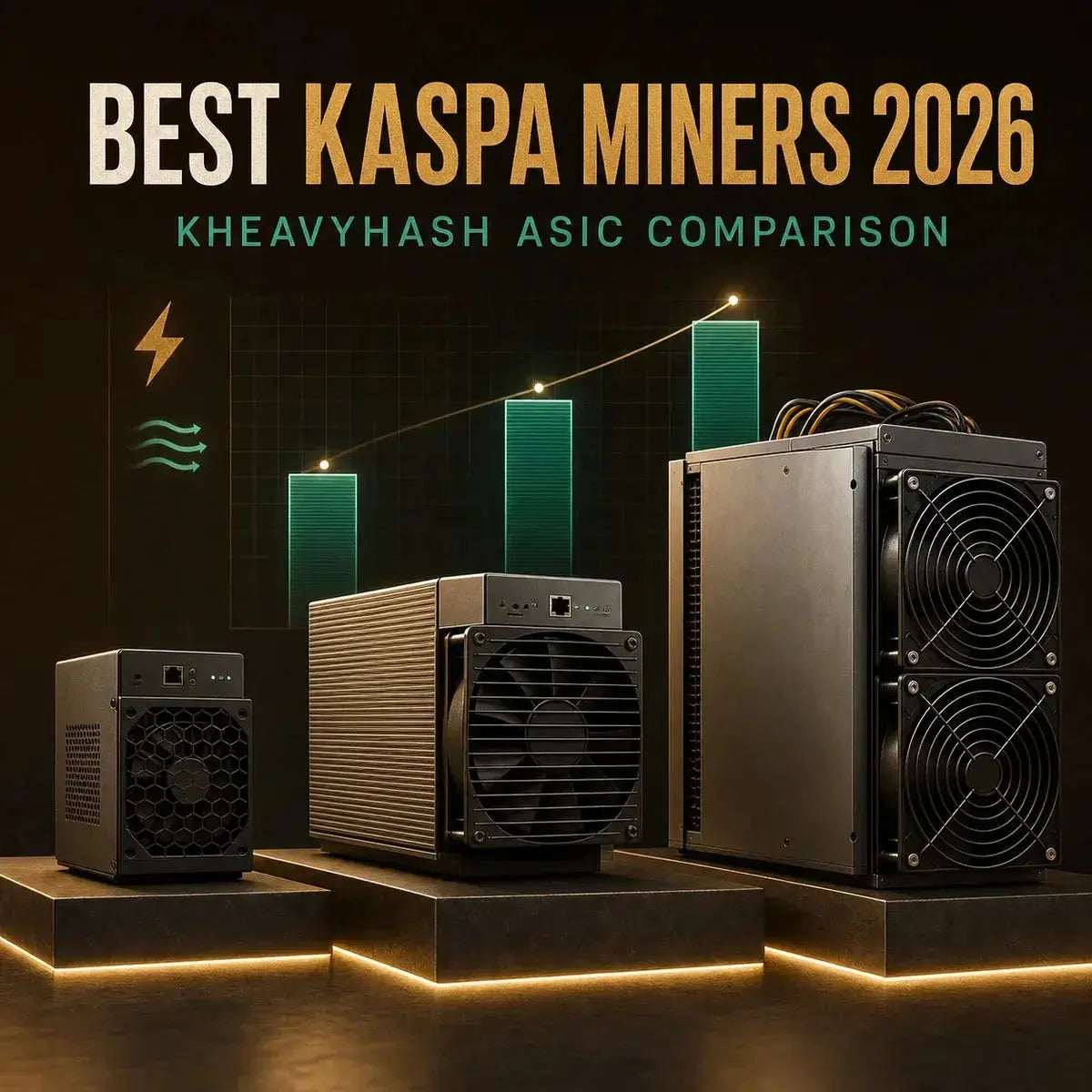
I migliori minatori Kaspa nel 2026
I migliori ASIC KHeavyHash a confronto
Specifiche KHeavyHash verificate · Adattamento a casa e fattoria · Rumore e voltaggio · Disciplina del pareggio dell'elettricità
In questa pagina
1Cosa fa un minatore Kaspa
Un miner Kaspa è un ASIC creato per calcolare l'algoritmo di prova di lavoro KHeavyHash utilizzato dalla rete Kaspa. A differenza di un impianto GPU, un ASIC Kaspa non è progettato per passare liberamente tra molti algoritmi. Il suo valore deriva dalla specializzazione: produce molto più output di KHeavyHash per watt di quanto l'hardware generico possa gestire.
Kaspa utilizza un BlockDAG anziché la struttura a catena singola di Bitcoin. Ciò spiega la sua rapida produzione di blocchi, ma non elimina l’elettricità, le difficoltà o il rischio di deprezzamento dell’hardware.
L'Antminer KS7 è la scelta più efficace in termini di efficienza e rendimento in questo confronto per una sala mineraria adeguatamente alimentata. ICERIVER KS7 Lite è l'opzione a basso consumo più pratica, mentre Goldshell KA Box Pro è l'opzione verificata più silenziosa qui. Il giusto ASIC Kaspa dipende dal costo dell'elettricità, dalla tensione del circuito, dallo scarico del calore, dalla tolleranza al rumore e dal prezzo di acquisto piuttosto che dal solo hashrate.
2Confronto dei minatori ASIC Kaspa
I modelli seguenti coprono tre reali categorie di acquirenti nel 2026: hardware agricolo a rendimento massimo, ingressi domestici a basso consumo e sistemi integrati più silenziosi. Le specifiche sono valori elencati dal produttore o modalità del prodotto chiaramente identificate; il disegno e il suono effettivi della parete possono variare in base al lotto, alla temperatura ambiente, alla velocità della ventola e al firmware.
| Minatore | Hashrate | Potenza | Efficienza | Rumore/Ingresso | Migliore adattamento |
|---|---|---|---|---|---|
| Bitmain Antminer KS7 | 40 TH/s | 3.080 W | 77 J/TH | 75-76dB/220-277V | Farm basata sull'efficienza o distribuzione ospitata |
| ICERIVER KS7 | 30 TH/s (±5%) | 3.500 W (±10%) | 116,7 J/TH nominali | Industriale / 200-250 V | Sala mineraria dedicata ad alto rendimento |
| ICERIVER KS7 Lite | 4,2 TH/s (±5%) | 500 W (±10%) | 119 J/TH nominali | Verificare dB/100-240 V | Configurazione per principianti o test a casa a basso consumo |
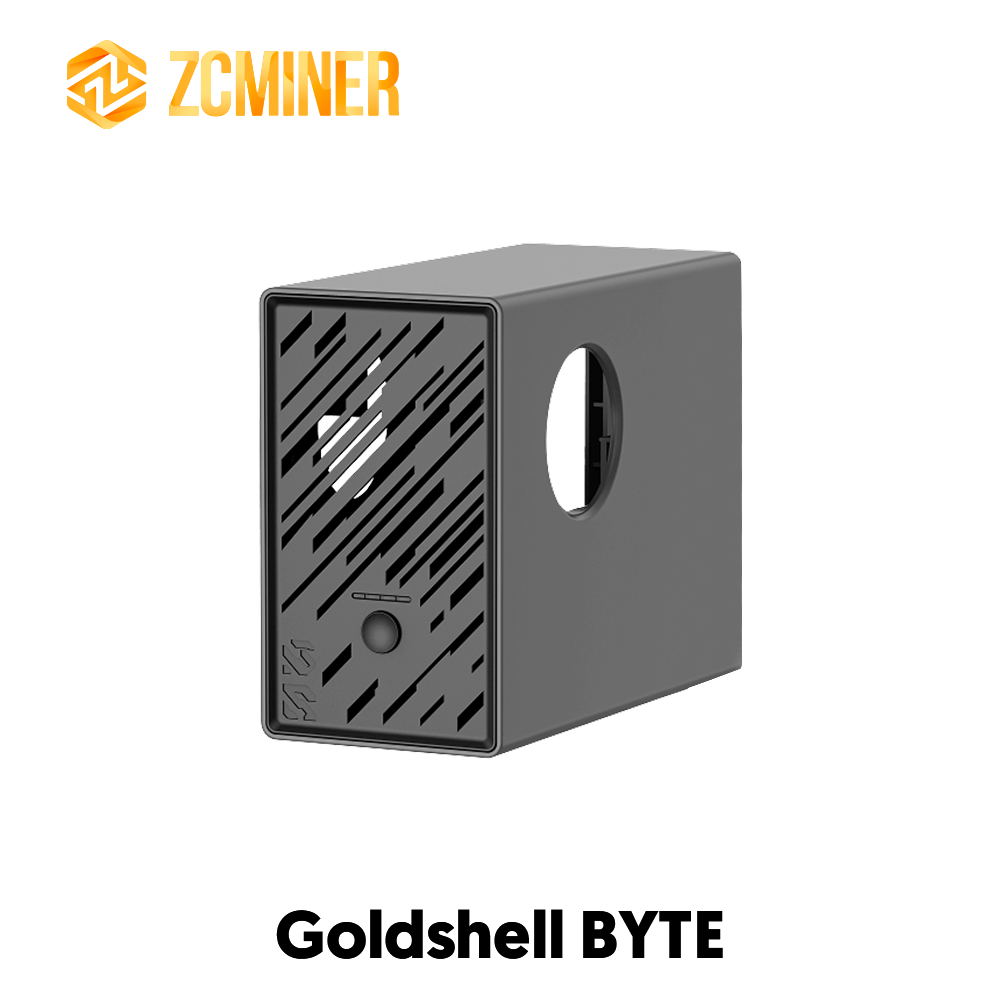
| Goldshell KA Box Pro | 1,6 TH/s (±5%) | 600 W (±5%) | 375 J/TH | Alimentatore ≤35 dB/12 V CC | Hobby tranquillo e uso didattico |
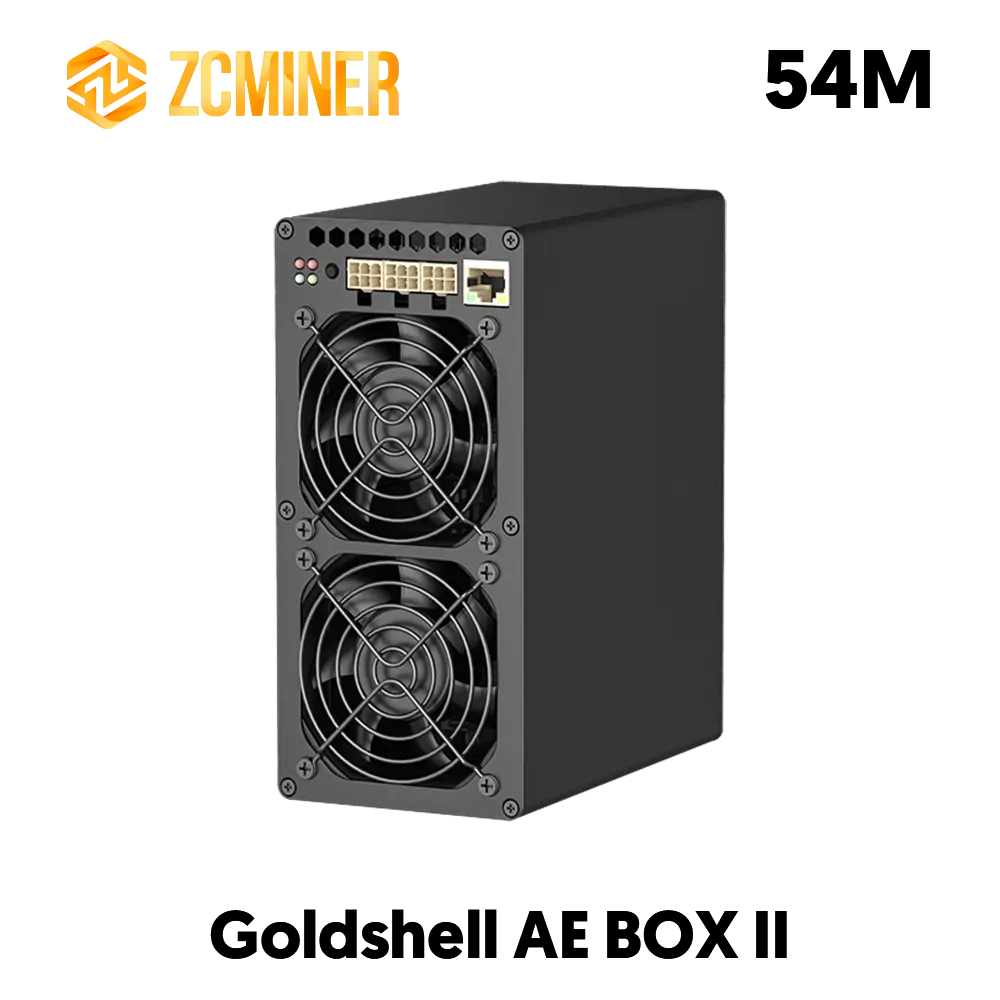
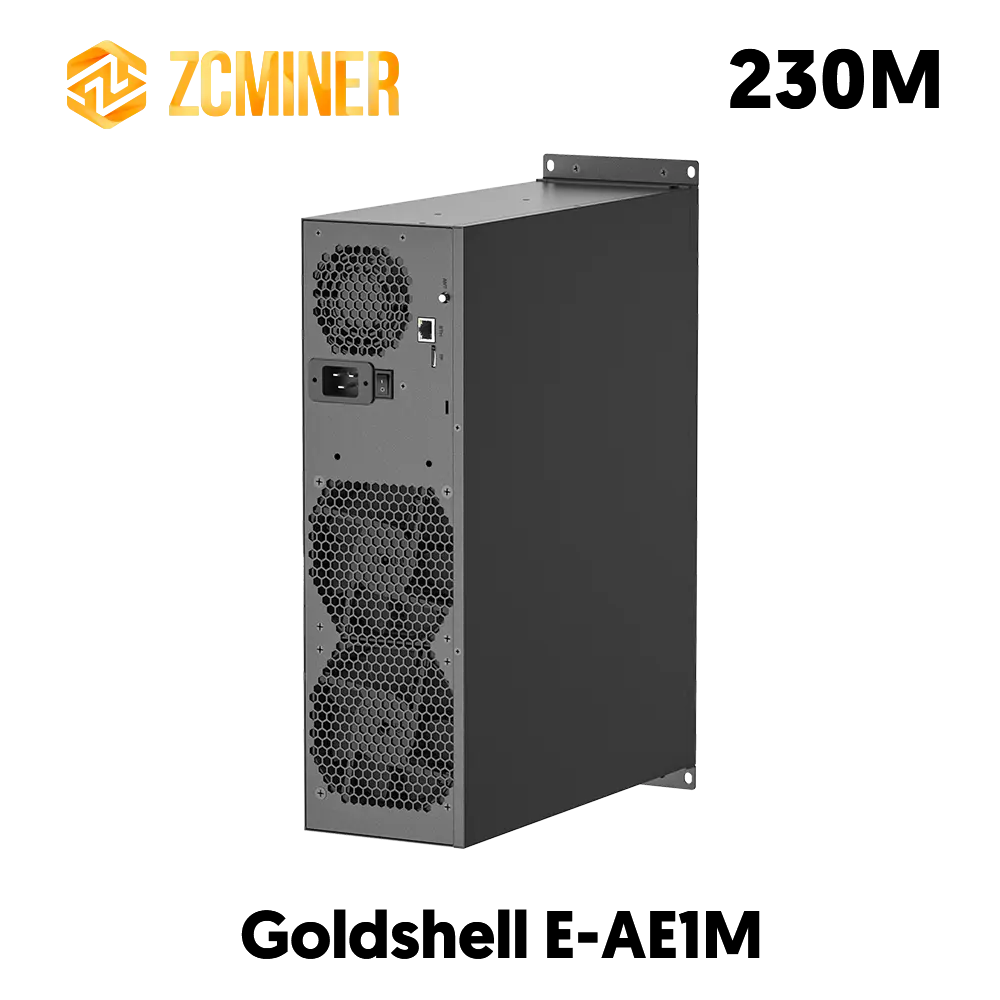
| Goldshell E-KA1M | 5,5 TH/s / 3,8 TH/s a basso consumo | 1.800 W / 1.100 W | 327 / 289 J/TH | ≤45dB/110-240V | Garage flessibile, cantina o officina |
Il divario di efficienza è decisivo. A 77 J/TH, il KS7 da 40 TH/s utilizza meno energia per terahash rispetto a qualsiasi modello più piccolo qui presente. Il KA Box Pro è più facile da posizionare a 35 dB o meno, ma il suo rating di 375 J/TH baratta la resilienza in termini di redditività con un funzionamento silenzioso.
3Le migliori scelte per caso d'uso
Migliore efficienza e massimo rendimento: Bitmain Antminer KS7. I suoi 40 TH/s e 77 J/TH guidano questo set. Verificare l'alimentazione a 220-277 V, la capacità di carico continuo, l'isolamento a 75-76 dB e lo scarico del calore prima dell'acquisto.
La migliore voce a basso consumo: ICERIVER KS7 Lite. I suoi 4,2 TH/s, l'assorbimento di 500 W e l'ingresso da 100-240 V creano un pratico punto intermedio tra i micro-miner desktop e l'hardware agricolo. Verificare il comportamento acustico prima di posizionarlo in prossimità di locali occupati.
Il miglior esperimento domestico silenzioso: Goldshell KA Box Pro. Goldshell elenca 35 dB o meno, ma 375 J/TH è l'efficienza più debole qui. Trattalo prima come una macchina di apprendimento e silenziosa.
Migliore flessibilità nella modalità: Goldshell E-KA1M. La modalità a basso consumo migliora l'efficienza elencata da 327 a 289 J/TH riducendo al contempo l'assorbimento a 1.100 W. Privilegia la controllabilità rispetto alla massima efficienza terahash.
Opzione industriale alternativa: ICERIVER KS7. I suoi 30 TH/s, l'assorbimento di 3.500 W e l'ingresso di 200-250 V rendono il prezzo di acquisto, il percorso della garanzia e i termini di hosting particolarmente importanti.
4Costo dell'elettricità e pareggio di Kaspa Miner
La redditività del minatore Kaspa cambia in base al prezzo KAS, all'hashrate della rete, alla fortuna del pool, alle tariffe del pool, ai premi in blocco e al costo dell'elettricità. Qualsiasi cifra relativa al profitto giornaliero è solo un'istantanea. Invece di fidarti di uno screenshot dei guadagni, crea una formula riutilizzabile e aggiornala il giorno dell'acquisto. Per il metodo più ampio, utilizzare il file Guida all'efficienza dei minatori ASIC e alle tariffe elettriche.
Profitto giornaliero = entrate KAS giornaliere in USD - [(watt / 1.000) x 24 x tariffa elettrica] - costi di pool, hosting e manutenzione.
Ad esempio, un'unità da 500 W utilizza 12 kWh al giorno. A 0,07 $/kWh, il costo diretto dell’elettricità è di 0,84 $ al giorno. Un'unità da 3.500 W utilizza 84 kWh al giorno, costando 5,88 dollari al giorno alla stessa tariffa. Questo è il motivo per cui un minatore ad alto hashrate può comunque deludere quando il costo energetico e l’efficienza energetica non sono in linea.
| Minatore / Modalità | kWh giornalieri | Costo a $ 0,07 / kWh | Costo a $ 0,12 / kWh |
|---|---|---|---|
| KS7 Lite, 500 W | 12,0 kWh | $ 0,84 al giorno | $ 1,44 al giorno |
| KA Box Pro, 600 W | 14,4 kWh | $ 1,01 al giorno | $ 1,73 al giorno |
| E-KA1M a basso consumo, 1.100 W | 26,4 kWh | $ 1,85 al giorno | $ 3,17 al giorno |
| Antminer KS7, 3.080 W | 73,92 kWh | $ 5,17 al giorno | $ 8,87 al giorno |
| ICERIVER KS7, 3.500 W | 84,0 kWh | $ 5,88 al giorno | $ 10,08 al giorno |
Il tasso di pareggio dell'elettricità è uguale ricavo giornaliero lordo diviso per kWh giornalieri. Se un minatore guadagna 6,00 dollari lordi e utilizza 73,92 kWh, il suo tetto di sola energia è di circa 0,081 dollari/kWh. Il massimale pratico è inferiore al netto delle tariffe della piscina, del raffreddamento, dei tempi di inattività e della manutenzione.
Calcolare in base alle entrate correnti, quindi ripetere con entrate lorde inferiori del 25% e del 40%. Rifiuta un acquisto che funziona solo alla tariffa migliore odierna o solo prima dei costi di raffreddamento e pool.
Il rimborso completo include anche il prezzo dell'hardware, la spedizione, i dazi, la garanzia, i tempi di inattività, le azioni rifiutate e il valore di rivendita. Il margine giornaliero positivo non garantisce un periodo di recupero ragionevole.
5Abbina il Minatore Kaspa al Sito
Gli ASIC Kaspa sono più facili da avviare rispetto agli impianti GPU, ma sono pur sempre apparecchiature elettriche e termiche. Un'unità di classe KS7 di dimensioni standard può sembrare un elettrodomestico rumoroso in funzione continuamente e potrebbe richiedere un circuito che le normali stanze domestiche non sono state costruite per supportare. Anche il calore è costante: quasi tutta l’elettricità consumata diventa calore all’interno della stanza.
Se un minatore corresse vicino alle persone, il rumore potrebbe avere più importanza del profitto teorico. Se verrà eseguito in una sala mineraria, l’efficienza e il tempo di attività di solito contano più dell’ingombro. La scelta giusta segue la stanza, non il contrario. Anche le unità industriali di classe KS7 meritano la revisione di un elettricista qualificato prima dell'installazione; la loro tensione e il carico continuo sono al di fuori delle normali aspettative plug-and-play.
6Selezione Piscina Kaspa e Prime 48 Ore
La maggior parte della configurazione degli ASIC Kaspa segue un percorso semplice: posiziona il miner in un'area ventilata, collega l'alimentazione ed Ethernet, trova il suo indirizzo IP, apri l'interfaccia web, inserisci l'URL del pool, il nome del lavoratore e l'indirizzo del portafoglio Kaspa, quindi salva e riavvia. Le prime 48 ore dovrebbero essere trattate come un test di burn-in.
- Utilizza Ethernet cablata: L'instabilità del Wi-Fi può causare condivisioni rifiutate e perdita di tempo di mining.
- Controlla la regione della piscina: una latenza inferiore può migliorare la coerenza dell'invio delle condivisioni.
- Verifica l'indirizzo del portafoglio: un indirizzo sbagliato può inviare i pagamenti in un posto irrecuperabile.
- Guarda le temperature: i primi problemi termici spesso rivelano un posizionamento errato o uno scarico bloccato.
- Registra l'hashrate di base: confrontare l'hashrate a bordo piscina con le letture dei minatori locali.
Il mining da solo è solitamente irrealistico per i piccoli operatori perché la varianza della ricompensa è elevata. I pool facilitano i pagamenti combinando l'hashrate di molti minatori e distribuendo i premi in base al lavoro svolto. Quando confronti i pool minerari Kaspa, controlla il metodo di pagamento, la tariffa, il pagamento minimo, la regione del server, il tempo di attività recente, il reporting sull'hashrate e se il pool supporta il flusso di lavoro del tuo portafoglio preferito. Il pool più grande non è automaticamente il migliore se il server più vicino produce una latenza instabile.
Usa il guida completa all'estrazione mineraria di Kaspa per il portafoglio, la configurazione e il flusso di lavoro di rete più ampi. Questo confronto rimane focalizzato sulla scelta dell'hardware piuttosto che sulla duplicazione del tutorial completo.
7Rischi che i nuovi minatori Kaspa dovrebbero controllare
L'errore più grande è trattare un ASIC Kaspa come un piccolo dispositivo consumer. Anche i minatori compatti funzionano continuamente, creano calore e dipendono dalla connettività di rete. I modelli a grandezza naturale aggiungono rumore elevato, tensione più elevata e requisiti di flusso d'aria più seri.
Anche il rischio di mercato conta. Le entrate di KAS possono cambiare rapidamente se i prezzi cambiano o l'hashrate della rete aumenta. Il valore di rivendita dell'ASIC può diminuire con l'arrivo di lotti più nuovi. I periodi di garanzia sono limitati e la spedizione internazionale può rallentare la riparazione. Un acquirente prudente presuppone tempi di inattività, maggiori difficoltà future e un valore di rivendita inferiore invece di modellare solo il caso migliore.
Non acquistare un minatore multi-kilowatt da 75 dB per uno spazio abitativo condiviso a meno che l’energia, il rumore, il calore e la ventilazione non siano già stati risolti.
8Lista di controllo per l'acquisto di Kaspa ASIC
Prima dell'acquisto, conferma il modello esatto, la modalità hashrate, l'assorbimento di potenza, la tensione, il tipo di spina, l'inclusione dell'alimentatore, la politica di garanzia, i costi di spedizione, la responsabilità doganale, la reputazione del venditore e il processo di restituzione. Per le macchine usate, chiedi screenshot del pool, numeri di serie, ore di funzionamento se disponibili e un breve video di prova dal vivo.
Quindi esegui tre casi di redditività: condizioni attuali, entrate KAS inferiori del 25% e tariffa dell'elettricità più spese generali di raffreddamento. Se il minatore funziona solo nel caso ottimistico, non è un piano affidabile. Se funziona ancora nel caso negativo, l'hardware ha un margine di sicurezza più forte.
| Priorità | Domanda a risposta | Perché è importante |
|---|---|---|
| Potenza | Il circuito può supportare un carico continuo? | Previene inciampi, surriscaldamento e cablaggi non sicuri |
| Rumore | La stanza può tollerare la classificazione in dB? | Protegge l'usabilità quotidiana e il comfort del vicino |
| Efficienza | Qual è il vero J/TH dopo l'installazione? | Determina la sopravvivenza a tariffe elettriche più elevate |
| Liquidità | Quanto dura il rimborso secondo ipotesi prudenti? | Riduce l'esposizione al rapido deprezzamento degli ASIC |
9Domande frequenti su Kaspa Miner
Quale algoritmo utilizzano i miner Kaspa?
I miner Kaspa utilizzano KHeavyHash, l'algoritmo di prova di lavoro associato alla rete Kaspa.
Un ASIC Kaspa può estrarre Bitcoin?
No. Bitcoin utilizza SHA-256, mentre Kaspa utilizza KHeavyHash. Gli ASIC sono generalmente progettati per una classe di algoritmi.
Quale Kaspa Miner è il migliore per l'uso domestico?
Il KS7 Lite è il modello a basso consumo più potente in questo confronto, mentre il KA Box Pro è l'opzione verificata più silenziosa con 35 dB o meno. Né cambia la necessità di pianificare il riscaldamento, l’accesso alla rete e il carico elettrico.
L’hashrate è più importante dell’efficienza?
No. L'hashrate aumenta il potenziale di guadagno, ma l'efficienza controlla i costi energetici. Confrontali entrambi prima dell'acquisto.
Qual è la migliore mining pool Kaspa?
Non esiste un pool migliore permanente. Confronta tariffe, metodo di pagamento, pagamento minimo, posizione del server, tempo di attività e stabilità dell'hashrate a livello di pool, quindi testa almeno due endpoint regionali prima di decidere.
10Riferimenti e fonti di dati
Queste fonti sono state selezionate per informazioni di rete ufficiali, contesto di protocollo o riferimento al prodotto a livello di produttore. Si aprono in una nuova scheda e sono contrassegnati come nofollow.
- Sito ufficiale KaspaFonte ufficiale per il posizionamento della rete di Kaspa, la messaggistica BlockDAG, i collegamenti all'ecosistema e le risorse della comunità.
- Repository Kaspa Rust NodeRepository open source a livello di protocollo per il software del nodo Kaspa e il contesto di sviluppo tecnico.
- Pagina del prodotto Goldshell KA Box ProRiferimento al prodotto del produttore per una classe miner domestica compatta orientata a KHeavyHash/Kaspa.
- Pagina del prodotto Goldshell E-KA1MSpecifiche del produttore per modalità standard e a basso consumo, rumore, tensione, dimensioni e campo operativo.
- ICERIVER Catalogo ufficiale KAS MinerCatalogo dei produttori per gli attuali modelli di KHeavyHash e valori di hashrate e potenza elencati.
- Pagina del prodotto ICERIVER KS7 LiteRiferimento del produttore per hashrate, potenza, tensione, dimensioni, connessione di rete e intervallo operativo.
- Calcolatore minerario BITMAINCalcolatore del produttore che elenca KAS Miner KS7 e illustra il motivo per cui la rete attiva e gli input delle entrate devono essere aggiornati.
Verdetto finale
Scegli Antminer KS7 quando l'efficienza e la massima resa sono la priorità e il sito è già preparato per energia industriale, calore e rumore. Scegli KS7 Lite per un ingresso a basso consumo, KA Box Pro per un funzionamento silenzioso verificato o E-KA1M quando le modalità controllabili contano più del J/TH migliore della categoria.
L'acquisto vincente è quello che si adatta al tuo circuito, al limite acustico, al piano di raffreddamento, al tasso di pareggio dell'elettricità e al modello di entrate al ribasso. Verifica il lotto esatto e ricalcola le entrate in tempo reale prima di pagare; le tabelle statiche della redditività sono istantanee temporanee, non promesse.




Lascia un commento
Questo sito è protetto da hCaptcha e applica le Norme sulla privacy e i Termini di servizio di hCaptcha.