
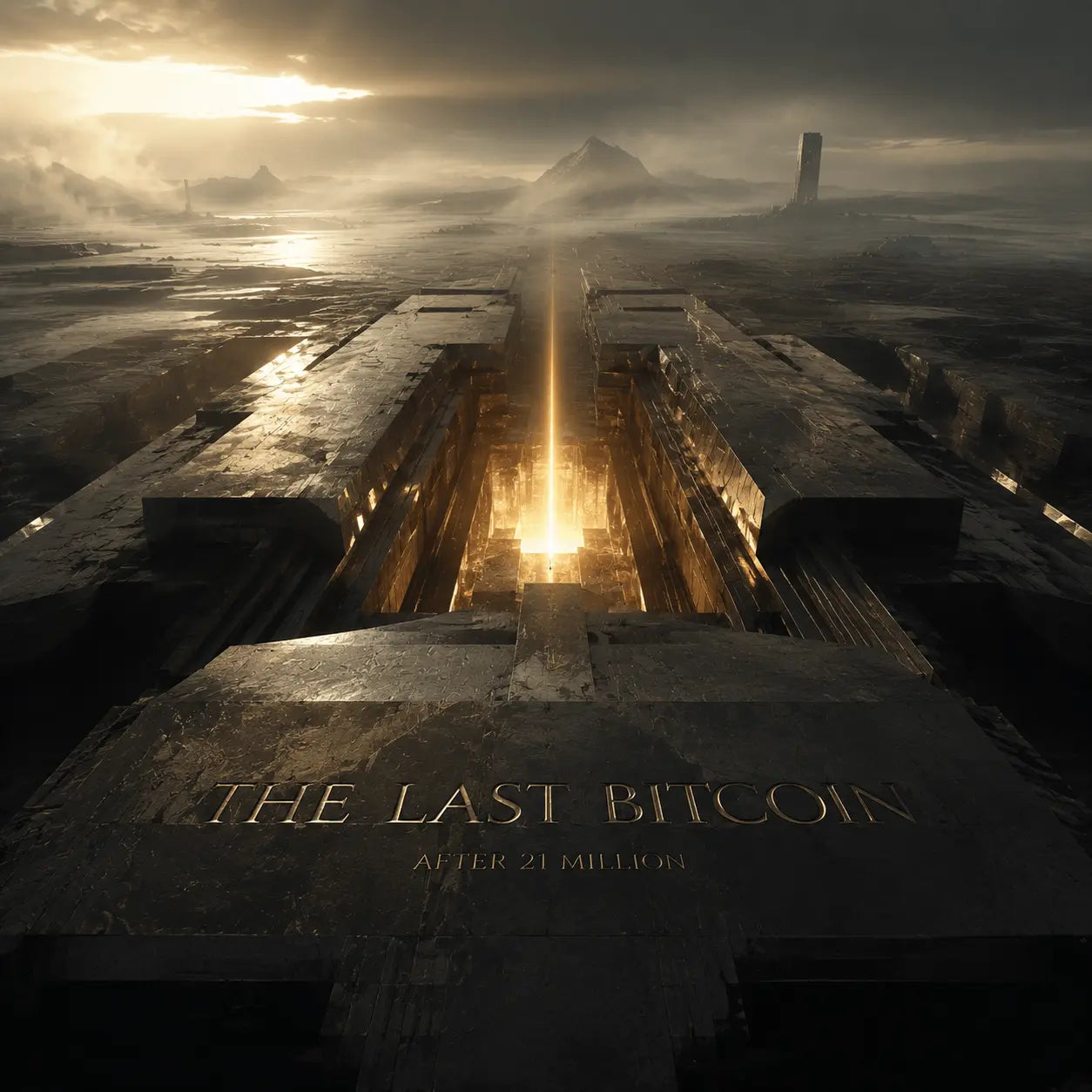
過去100万ビットコイン:
ビットコインの最終章
2,100万キャップ・最終発行時期・半減スケジュール・有効供給・手数料のみのセキュリティモデル
このページについて
1ビットコインは最後の100万時代に突入
ビットコインの最終章は単一の日付ではありません。長期にわたる供給の推移です。ライブネットワークダッシュボードによると、2026年7月下旬までに約2006万BTCがすでに発行されており、将来のブロック補助金に利用できるBTCはまだ100万BTC未満となっている。これは、市場が「最後の 120 万人」について語ることから、最後の 100 万人そのものの中に生きることに移行したことを意味します。
ビットコインの希少性はブランドスローガンではないため、これは重要です。これは、同じ通貨ルールを検証するノード、マイナー、ウォレット、ユーザーによって強制される発行スケジュールです。新しいコインはブロック補助金を通じてのみ流通し、その補助金は既知のスケジュールに従って縮小し続けます。需要は急速に変化する可能性がありますが、残りの発行曲線は需要に対応できません。
2026 年 7 月の時点で、重要な数字は抽象的な 2,100 万人ではなくなりました。これは、すでに発行されている約 2,006 万 BTC と、ビットコインが次の 1 世紀に近づく最終供給限界との間のギャップの縮小です。
2供給スケジュールの仕組み
ビットコインは、ジェネシスブロックがマイニングされた2009年1月3日に始まりました。当初の補助金はブロックあたり 50 BTC でした。 210,000 ブロックごとに、補助金は半分に減ります。このスケジュールではすでに発行量が50BTCから25BTCに減り、その後12.5BTC、さらに6.25BTCに減り、2024年4月の半減期以降はブロック当たり3.125BTCとなっている。
次の半減期は 2028 年と予想されていますが、正確な日付はブロックのタイミングによって異なります。その時点で、補助金はブロックあたり 1.5625 BTC に下がります。このプロセスは、補助金が 1 サトシより小さくなり、ゼロに丸められるまで続きます。これが、最後のコインが到着するまでに非常に時間がかかる理由です。半減するたびに、次の時代から新しい供給量の半分が失われます。
有名な 2,100 万という数字は、この半減スケジュールの結果として最もよく理解されています。エポックあたりの固定ブロック数に、半減し続ける補助金を乗算すると、2,100 万 BTC 近くに収束する等比級数が作成されます。実際には、ビットコインはサトシ全体をカウントするため、最大値は 2,100 万をわずかに下回りますが、経済的な意味は同じであり、際限のない金融拡大ではありません。
32026 年のビットコインの立場
最後の 100 万は均等に採掘されるわけではありません。現在の 3.125 BTC の補助金は依然として毎日の発行額に意味のある発行額を生み出していますが、2028 年の半減によりその発行額は即座に半分に減ります。その後の半減期で何度も減少し、残りの供給量は 2140 年地域に向かって伸びるロングテールに変わります。
これにより、奇妙な見た目のタイムラインが作成されます。考えられるすべてのビットコインの 95% 以上はすでに発行されていますが、最後の数パーセントが発行されるまでには 1 世紀以上かかります。したがって、このネットワークは成熟していると同時に未完成でもあります。成熟しているのは供給量の圧倒的大部分がすでに存在しているためであり、未完成なのは、ビットコインのセキュリティ モデルが補助金中心の収益から手数料支援型の決済へとまだ徐々に移行しているためです。
4最後の100万人が違うと感じる理由
以前のビットコインサイクルは、新規供給量の大幅な減少によって形成されましたが、今後も目に見える量の発行が残されていました。最後の100万は心理を変えます。投資家、鉱山労働者、金融機関、および長期保有者は、現在の需要を、多くの上場企業の財務ポジション、為替準備金、および機関投資家の割り当て目標よりも小さい残りの供給プールと比較できるようになりました。
それは、価格が一方向に動かなければならないという意味ではありません。市場はいつでも、リスク、流動性、レバレッジ、規制、マクロ状況の価格を再評価できます。要点はより狭く、より強力です。ビットコインの新たな供給は、需要のショックを吸収できなくなりつつあります。大規模な購入者が公開を望んでいる場合、プロトコルはその購入者を満たすために追加のコインを作成しません。買い手は既存の保有者を引き付けて売却する必要があります。
希少性は供給の事実であり、価格を保証するものではありません。ビットコインは、市場価格がいずれかの方向に急激に変動する間、希少性が維持される可能性があります。
5循環供給は有効供給と同じではない
循環供給では、採掘されたコインがカウントされます。有効な供給は、その供給のうちどれだけが現実的に取引できるのかという難しい質問をします。一部のコインは明らかに使用できません。鍵の破壊、財布の忘れ、または間違いによって紛失した可能性のあるものもあります。さらに多くは長期冷蔵保管されており、現在の価格では入手できない可能性があります。
古いコインは最近取得したコインとは異なる動作をするため、オンチェーン分析会社は長期保有者の行動と短期保有者の行動を区別します。何年も動かされていないコインはまだ誰かが所有している可能性がありますが、流動的な取引在庫のように動作する可能性は低くなります。だからこそ、最後の100万の物語は、実際には一度に2つの物語であるのです。新しいコインの発行が減っている一方で、既存のコインの大部分も比較的流動性が低いのです。
これはビットコインの希少性の一部であり、見出しが平坦になることがよくあります。プロトコルの供給曲線は透明ですが、市場の変動は行動に影響されます。最後の100万によってプロトコル側はより厳しくなる一方、保管習慣、制度上の義務、および長期の有罪判決によって、既存の供給がどれだけ市場に戻るかが決まります。
6マイナーにとって最後の 100 万が何を意味するか
マイナーにとって、最後の 100 万はビジネスモデルの移行です。ブロック補助金は依然としてほとんどのブロックの主な収入源であるが、半減するたびにそのクッションは減少する。低い電力コスト、規律ある財務管理、優れた稼働時間を持つ効率的なマイナーは、より厳しいマージンでも生き残ることができます。報酬が削減されるたびに、非効率なマイナーの存在がさらに明らかになります。
時間が経つにつれて、取引手数料がセキュリティ予算の多くを占めるようになります。そのため、すべてのコーヒーの支払いをベースレイヤーで決済する必要はありません。これは、高額決済、為替フロー、機関保管業務、チャネルの開閉、そして将来のビットコインネイティブアプリケーションでは、ブロックスペースに対する十分な需要を生み出す必要があることを意味します。基本チェーンは、大規模な小売決済レールというよりも、希少な決済層のようなものになります。
したがって、最後の 100 万は金融政策をインフラに結びつけます。 ASIC の効率、エネルギー契約、プールの選択、料金条件、資本規律はすべて、補助金が小さいほど重要になります。マイニングの競争力は依然として保たれていますが、新しいコインで多額の報酬が得られる安易な時代は終わりました。
7最後のサトシのその後はどうなるのか
2140年頃には補助金がゼロになると予想されている。ブロックは引き続きマイニングされるはずです。トランザクションは引き続き確認する必要があります。マイナーは新しく発行されたビットコインの代わりに取引手数料を競うだけです。その世界では、ビットコインの通貨発行は完了していますが、決済市場は継続しています。
重要な変更点はインセンティブの構成です。現在、マイナーは補助金と手数料を獲得しています。手数料のみの時代では、マイナーの収益のすべての単位は、ブロックの包含を重視するユーザーから得られる必要があります。その未来は遠いですが、半減するたびにシステムがその未来に一歩近づくため、その移行はすでに目に見えています。
レイヤ 2 システムは少額の支払いを吸収する可能性がありますが、ベース レイヤは依然として大規模な送金の最終的な和解裁判所となります。この階層化モデルは、ビットコインの希少性の失敗ではありません。これは、供給が固定された金融資産に付随する希少なブロックスペース市場がもたらす可能性のある結果の 1 つです。
8ビットコイン最終時代の管理者としての役割
最後の百万時代にビットコインを取得する人々や機関は、初期の趣味のマイナーとは異なる責任に直面します。現在ビットコインを保有するということは、多くの場合、複数署名の管理、継承、地理的なキーの分離、ハードウェアのセキュリティ、コンプライアンス、運用の継続性について考えることを意味します。希少な資産は、単一障害点を作らずにアクセスを維持できる場合にのみ役立ちます。
最終章が鉱山労働者だけに関するものではないのはこのためです。それは、保有者、取引所、保管者、ファミリーオフィス、公開会社、そしてソブリン規模の割り当て者が、間違いを解決するために希薄化できない資産を管理する方法を学ぶことについてです。ビットコインの供給量が固定されているため、所有権は強力になりますが、同時に保管が容赦のないものになります。
9よくある質問
本当にビットコインは100万ビット未満しか残っていないのでしょうか?
2026年7月下旬のライブサプライダッシュボードでは、発行額が100万BTC未満にとどまっていることが示されています。正確な数値はブロックごとに変化するため、正確な数値を引用する前に現在のネットワーク データを使用してください。
すべてのコインが採掘されると、ビットコインは機能しなくなりますか?
いいえ、新規発行が終了してもブロックの生産は終了しません。マイナーは取引手数料を得ることが期待されており、ユーザーはブロックスペースを求めて競争を続けるだろう。
2,100 万の上限は正確に 2,100 万ですか?
経済的にはそうです。補助金はサトシ単位で表示され、最終的には切り捨てられるため、技術的には最大値は 2,100 万をわずかに下回ります。
希少性はビットコイン価格の上昇を保証するのでしょうか?
いいえ、不足により供給が制限されますが、価格は依然として需要、流動性、規制、レバレッジ、マクロ環境、市場心理に依存します。
10参考文献とデータソース
- Bitcoin.org の語彙: マイニングと半減期マイニング、補助金削減、210,000 ブロックの半減スケジュールに関する公式の教育資料。
- ビットコイン開発者リファレンス: ブロックチェーンコインベースのトランザクション、ブロック補助金、ブロック報酬について説明した技術文書。
- Blockchain.com の総流通ビットコイン チャート採掘されたビットコインの合計とプロトコルで定義された供給曲線を示す広く使用されているチャート。
- Clark Moody ビットコイン ダッシュボード現在の発行済み供給量、発行残量、半減見積り、補助金データに使用されるライブ ダッシュボード。
- Glassnode の長期および短期ホルダーの供給ガイド液体と長期のホルダーの供給動作を理解するための方法論のリファレンス。
最終評決
最後の100万ビットコインは短いカウントダウンではありません。これらはビットコインの成熟した希少性時代の始まりです。ほとんどの供給はすでに存在し、新規発行は縮小し続け、セキュリティモデルは徐々に取引手数料に移行しています。
したがって、最終章は、2140 年の 1 つの将来のブロックに関するものではなく、供給が拡大できない資産の価格設定、確保、採掘、継承の方法を現在学んでいる市場についての内容です。





コメントを残す
このサイトはhCaptchaによって保護されており、hCaptchaプライバシーポリシーおよび利用規約が適用されます。