
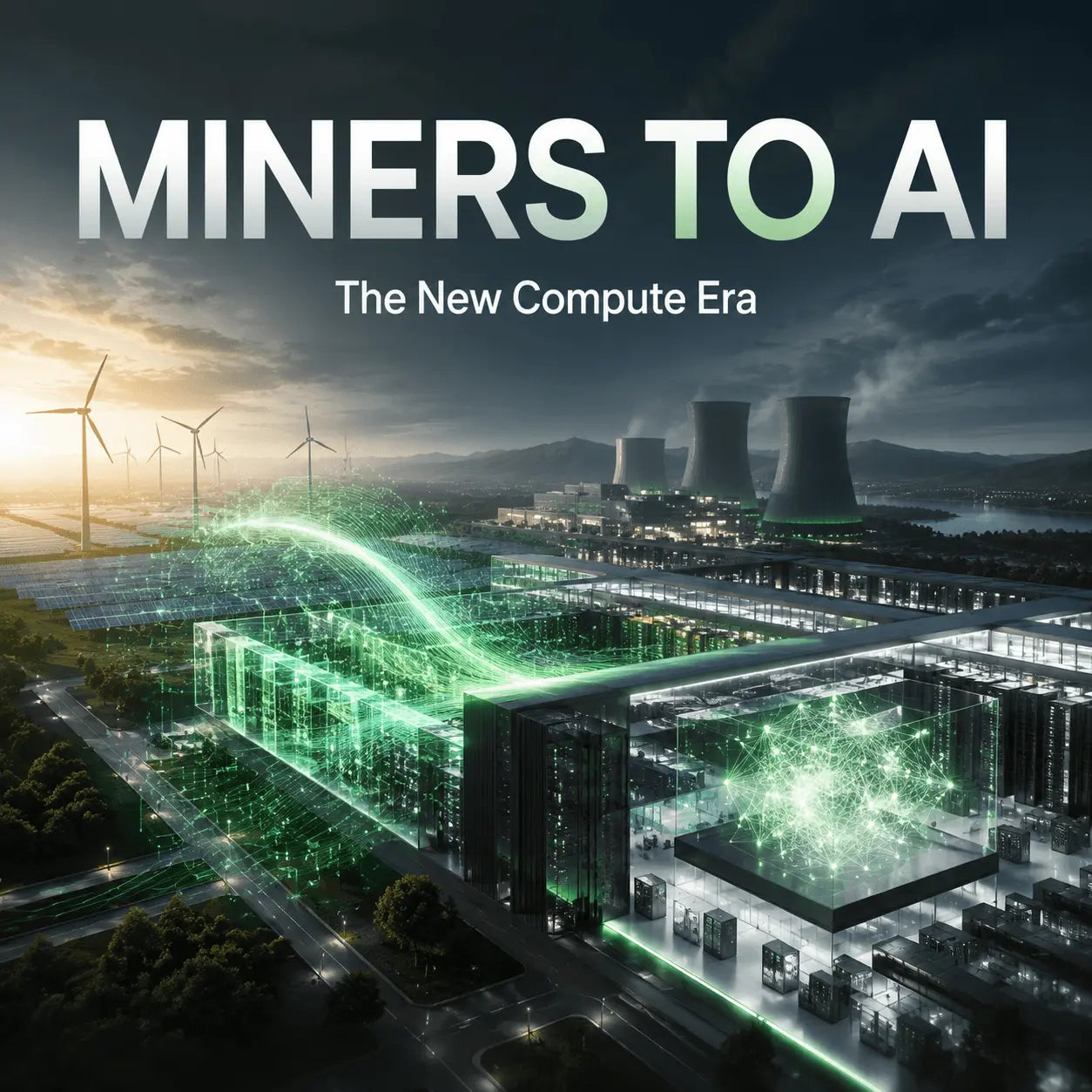
ビットコインマイナーが電力を供給する理由
AI コンピューティングへ
ハッシュ価格の圧力 · AI/HPC 契約 · 電力資産 · 液体冷却 · ハイブリッド インフラストラクチャ戦略
このページについて
1古いマイニングモデルはプレッシャーにさらされている
長年にわたり、大規模なビットコインマイナーは、安価な電力を確保し、効率的な ASIC を購入し、稼働時間を高く保ち、ビットコインの価格とネットワークの難易度でマージンを決定するという明確な公式に基づいて運営していました。 2024 年 4 月の半減期により、この計算式はさらに難しくなりました。ブロック補助金は 6.25 BTC から 3.125 BTC に減少しましたが、電力、人件費、債務返済、インフラのコストはそれに伴って減少しませんでした。
同時に、新しい ASIC はグローバル ハッシュ レートを高め続けました。これは、マイナーが、より効率的な機械とより高い資本要件を備えた、より小さな補助金プールを求めて競争していることを意味しました。ハッシュ価格が下落すると、かつてビットコイン マイニングにとって魅力的に見えた同じメガワットが、他のデータセンターのワークロードと比較して十分に活用されていないように見え始めます。
市場はもはや一部の公的マイナーをハッシュレートオペレーターとしてのみ評価していません。同社は、土地、変電所、電力契約、冷却に関する専門知識、およびコンピューティングをホストする能力を評価しています。
2AI コンピューティングが収益物語を変える理由
AI およびハイパフォーマンス コンピューティングの収益は、ビットコイン マイニングの収益とは異なる動きをします。ビットコイン鉱山では、BTC で価格設定された確率的なブロック報酬が販売されます。 AI ホスティング サイトは、電力、冷却、ラック、ネットワーキング、運用、稼働時間などの契約容量を販売します。顧客は、複数年契約に基づいてドルで支払うクラウド プロバイダー、AI ラボ、またはコンピューティング テナントである可能性があります。
この違いは貸し手と株主にとって重要です。ビットコインのマイニング収益は、コインの価格、取引手数料、難易度、抑制によって急激に変動する可能性があります。 AI ホスティング契約は、長期にわたる可視性、信用力のある取引相手、テイク・オア・ペイ形式の構造を提供できます。また、より高い信頼性、より厳密なエンジニアリング、そしてメガワットあたりの資本もはるかに多く必要となります。
| 収益モデル | ビットコインマイニング | AI/HPC ホスティング |
|---|---|---|
| 収益単位 | BTC ブロックの報酬と手数料 | 契約済みのコンピューティングまたはコロケーション容量 |
| 価格エクスポージャ | ビットコインの価格と難易度 | お客様のご契約とご利用状況 |
| インフラストラクチャー | ASIC ラック、空冷または浸漬冷却 | GPU ラック、水冷、ファイバー、冗長性 |
| 稼働時間の標準 | 高い稼働時間は貴重ですが、削減は戦略的になる可能性があります | 多くの場合、厳格な SLA パフォーマンスが要求されます |
3なぜマイナーは適切な資産を持っていたのか
ビットコインマイナーは偶然に AI テナントにとって魅力的な存在になったわけではありません。彼らは何年もかけて、土地、電気相互接続、変電所、電力購入関係、建設チーム、高密度電気機器の操作経験など、大規模コンピューティングのための最も困難な情報を収集しました。 AI ブームでは、グリッド アクセスのセキュリティ確保が GPU よりも遅くなる可能性があります。
これが、ピボットが実際にパワーに関わる理由です。数百メガワットの利用可能または拡張可能な容量を備えた採掘サイトは、純粋な ASIC ホールとしてよりも産業用電源プラットフォームとしての価値が高い場合があります。 AI テナントは市場投入までのスピードが必要であり、マイナーはゼロから始めるグリーンフィールドのデータセンター開発者よりも早くエネルギーのある土地を提供できる場合があります。
4ピボットを定義する取引
いくつかの公共採掘業者は、投資家のセクターに対する見方を変える AI または HPC 協定を発表しました。 CoinSharesは、パブリックマイナー全体で発表されたAI/HPC契約が2026年初頭までに700億ドル以上に増加し、AI関連の収益が年末までにパブリックマイナーの収益のより大きなシェアになる可能性があると報告した。
企業レベルの発表は、市場が注目している理由を示しています。 IREN は、NVIDIA GPU の導入に関連した Microsoft との大規模な AI クラウド サービス契約を発表しました。 TeraWulf、Hut 8、Cipher Mining、Core Scientific はそれぞれ、大規模な AI/HPC ホスティング プラン、パートナーシップ、またはデータセンターの転換を発表または拡大しています。収益への正確な貢献は、建設、資金調達、顧客のタイミング、およびエネルギー化のマイルストーンによって異なります。
発表された契約額は現在の収益と同じではありません。長期的な価値が実現される前に、マイナーは資金を調達し、建設し、エネルギーを供給し、運営し、顧客の要件を満たす必要があります。
5コンバージョンがリブランディングだけではない理由
ビットコイン 鉱山と AI データ センターはどちらも大きな電気負荷ですが、同じ施設ではありません。 ASIC マイニングは、AI トレーニングや推論ワークロードよりも、より多くの中断、よりシンプルなネットワーク、および低い冗長性を許容できます。 GPU クラスターには、高密度ラック電力、液体冷却、ファイバー接続、より厳格な環境制御、防火システム、セキュリティ、スペアパーツのワークフロー、および顧客の稼働時間を中心に構築された運用プロセスが必要です。
資本集約度も異なります。採掘場は、多くの場合、AI 対応施設よりもメガワットあたりのコストを安く建設できます。 AI への変換には、建物、冷却ループ、変圧器、開閉装置、ネットワーク ルート、監視システムの大規模なアップグレードが必要になる場合があります。そのため、一部のマイナーのみが移行できるのです。電源へのアクセスは必要ですが、十分ではありません。
| 要件 | ASIC マイニング ホール | AI 対応コンピューティング サイト |
|---|---|---|
| 冷却 | ASIC フリートに応じて、空気、水浸、または水力 | 高密度液体冷却がますます一般的になる |
| 接続性 | 安定したプール接続 | 大容量の冗長ファイバーと顧客ネットワーク |
| 運営 | ハッシュレート、温度、電力、修復 | SLA、テナントサポート、セキュリティ、インシデント対応 |
| 柔軟性 | 景気低迷や送電網イベントの際には削減が可能 | 稼働時間契約に拘束されると柔軟性が低下する |
6ピボットを元に戻すのは難しい場合が多い
一部の観察者は、相対的な経済状況が変化するたびにマイナーがビットコインと AI を切り替えることができると想定しています。実際には、大規模な AI 変換は長期にわたる取り組みとなることがよくあります。サイトが水冷 GPU ラック用に再構築され、顧客の稼働時間義務に拘束されると、ハッシュプライスが向上するため、その容量を気軽に ASIC マイニングに戻すことはできません。
このロックインは取引の一部です。 AI ホスティングは、ビットコインの日々の収益変動の影響を軽減できますが、顧客集中リスク、債務リスク、建設リスク、技術更新リスク、および SLA リスクをもたらします。マイナーはデータセンターのオペレーターに近くなり、それには異なる管理スキルセットが必要になります。
7鉱業にとっての意味
業界は採掘を完全に放棄するのではなく、分裂する可能性が高い。一部の企業はハイブリッド インフラストラクチャ オペレーターとなり、プレミアム サイトで AI/HPC 能力を構築しながら、適切な場所で ASIC マイニングを維持するでしょう。一部はAIを主力とするデータセンター企業になるかもしれない。他の企業は、電力が安価、中断可能、遠隔、または AI テナントに適さないため、純粋なマイナーであり続けるでしょう。
小規模な事業者にとって、教訓は必ずしも公共のマイナーを真似することではありません。ほとんどの小規模サイトには、GPU ホスティングに必要な電力規模、ファイバー、バランスシート、または顧客アクセスがありません。彼らの機会は、低コストのマイニング、削減プログラム、熱の再利用、ニッチなホスティング、または公的マイナーが資金を他の場所に振り向ける場合の ASIC の購入などに残る可能性があります。
- 電力品質はさらに重要です: 安定した大規模なファイバー接続容量が再評価されます。
- ASIC の需要はより選択的になる可能性があります。 純粋なマイニングの拡大は AI の設備投資と競合します。
- ホスティング契約にはより厳しい見直しが必要です: 稼働時間、削減権、電力パススルー条件が重要です。
- ネットワーク セキュリティは回復力を維持していますが、変化しています。 一部のキャパシティがマイニングから離れますが、効率的な純粋なマイナーは引き続き稼働します。
8AI コンピューティングを評価するマイナーのためのチェックリスト
AI または HPC への変換を検討する前に、マイナーは電力資産の価値とデータセンター運営者になるためのコストを分離する必要があります。 ASIC にとって適切に機能するサイトであっても、ファイバー、冗長性、冷却水、セキュリティ、顧客アクセス、または資金調達能力が不足している場合、AI ディリジェンスに失敗する可能性があります。
| 質問 | なぜそれが重要なのか | 決定信号 |
|---|---|---|
| 電力は安定していますか、それとも中断可能ですか? | AI テナントは通常、より強力な稼働時間保証を必要とします | 強固な力がより高額な契約をサポート |
| ファイバーは利用できますか? | GPU ワークロードには本格的な接続が必要です | 変換を妨げるファイバーはありません |
| 冷却は高密度のラックをサポートできますか? | AI 負荷は ASIC とは異なる方法で熱を集中させます | 液体冷却には多額の設備投資が必要になる可能性がある |
| 誰が増築に資金を提供しますか? | AI への変換には大量の資本が必要です | 借金条件が軸を作るか壊すか |
| ASIC の収益はどうなりますか? | 変換された MW はマイニングに使用できない可能性があります | BTC サイクル全体の機会費用をモデル化する |
9ビットコインマイナーとAIコンピューティングに関するよくある質問
なぜビットコインマイナーはAIコンピューティングに移行しているのでしょうか?
多くの鉱山労働者は、AI 企業が必要とする大規模な発電所、変電所、土地、冷却の専門知識を管理しています。 AI ホスティングでは、BTC 建てのマイニング収益だけでなく、契約ドル収益も提供できます。
どのビットコイン鉱山でも AI データセンターになれるでしょうか?
いいえ、AI サイトには、多くの ASIC マイニング サイトよりも強力な冷却、ファイバー、冗長性、稼働時間手順、セキュリティ、設備投資が必要です。
AI ホスティングはマイナーがビットコインのマイニングをやめるという意味ですか?
一部の企業はマイニングを縮小または撤退する可能性がありますが、他の企業はハイブリッド モデルを実行する可能性があります。結果は、サイトの品質、契約、電力条件、資本戦略によって異なります。
AI コンピューティングはビットコイン マイニングよりも収益性が高いでしょうか?
プレミアムメガワット当たりの契約収益は高くなりますが、はるかに多くの資本、稼働時間の短縮、顧客の実行、データセンター運用の専門知識も必要になります。
小規模マイナーは何をすべきでしょうか?
ほとんどの小規模マイナーは、AI テナントを引き付けることができると考えるのではなく、電力コスト、効率的な ASIC、稼働時間、削減オプション、保守的な ROI に焦点を当てる必要があります。
10参考文献とデータソース
これらの情報源は、機関による採掘調査と企業の公式発表のために選択されました。これらは新しいタブで開き、nofollow としてマークされます。
- CoinShares ビットコイン マイニング レポート: 2026 年第 1 四半期ハッシュ価格の圧力、パブリックマイナー AI/HPC 契約、およびセクターの収益予測に関する機関研究情報源。
- IREN Microsoft AI クラウド サービス契約主要な AI クラウド サービス契約と GPU 導入計画を正式に発表。
- TeraWulf と Fluidstack AI ホスティング契約大規模な電力容量を裏付ける長期 AI ホスティング契約を示す公式発表。
- Hut 8 と Fluidstack AI インフラストラクチャのパートナーシップBeacon Point における大規模な AI インフラストラクチャ パートナーシップに関する企業公式発表。
- 暗号マイニング AI/HPC ホスティング契約マイニング電力資産を契約済みの AI/HPC ホスティング容量に変換することを示す公式発表。
最終評決
最も不足している AI リソースは GPU だけではないため、ビットコインマイナーは電力を AI コンピューティングに変えています。それは、電力供給された土地、相互接続、冷却能力、そして大規模な電気負荷の運用方法を熟知したオペレーターです。
ピボットにより、より安定した契約収益を生み出すことができますが、それは簡単ではなく、リスクがないわけではありません。 AI ホスティングには、より多くの資本、より厳しい稼働時間、さまざまな顧客、長期的なロックインが必要です。勝者は、電力インフラを第一に管理し、次にマイニングハードウェアを管理していることを理解している事業者になります。


コメントを残す
このサイトはhCaptchaによって保護されており、hCaptchaプライバシーポリシーおよび利用規約が適用されます。