

ビットコインのハッシュレートが2026年6月に低下
ASIC マイナーにとって難易度カットが意味するもの
ネットワークハッシュレート · ターゲットの再設定の難しさ · ハッシュプライスの圧力 · 電力の敏感さ · AI と HPC の容量の変化
1ビットコインマイニングで何が変わったのか?
ビットコインのネットワークは、2026 年 6 月初旬のプロトコルの目標である 10 分よりも遅くブロックを生成していました。 CoinWarz は、瞬間的なハッシュレート推定値を次のように報告しました。 863.41 EH/秒 6 月 10 日のブロック 953,037 で、現在の難易度は維持されました 138.96T。同じデータ ソースでは、平均ブロック時間が約 11.25分.
ハッシュレートはブロック生成から推定されるため、短い観察ウィンドウ、24 時間平均、または 7 日間移動平均のいずれを使用するかに応じて、ダッシュボードごとに異なる値が表示される場合があります。したがって、元の記事の 918 EH/s という数値は、別の平滑化ウィンドウを表すことができますが、それが唯一の現在の値として提示されるべきではありません。
2026年6月10日約01:00 UTCの時点で、CoinWarzは6月14日付近の次の難易度調整は11.11%減の123.52Tと推定しています。これはライブ投影であり、最終結果が保証されるものではありません。
2ビットコインの難易度がハッシュレートの低下にどう対応するか
ビットコインは 2,016 ブロックごとにマイニングの難易度を再計算します。ブロックが目標の 10 分よりも早く到着すると、難易度が上がります。ブロックの到着が遅くなると難易度が下がります。目的は、マイナーの利益を保証することではなく、長期的なブロックの生産をプロトコルのスケジュールに近づけることです。
難易度が低いということは、他のすべての変数が変更されていないと仮定すると、固定量のハッシュレートが予想されるネットワーク出力のより大きなシェアを表すことを意味します。これにより、リターゲット後のハッシュレート単位あたりのビットコイン獲得量が向上する可能性があります。
| ネットワークメトリック | 6月10日のスナップショット | マイナーの解釈 |
|---|---|---|
| 現在の難易度 | 138.96T | 次の再目標までの競争レベル |
| 予想される新たな難易度 | 123.52T | ブロックが遅い場合、予測される作業しきい値の低下 |
| 予想される変化 | -11.11% | ハッシュレートの固定単位あたりの BTC 出力が増加する可能性 |
| 平均ブロック時間 | 11.25分 | ブロックの到着が目標の 10 分よりも遅れていた |
| リターゲットのタイミング | 2026 年 6 月 14 日頃 (協定世界時) | 新しいブロックとともに移動する動的推定 |
3ハッシュレートの推定値が一致しない理由
ネットワーク ハッシュレートは、すべてのマシンを直接カウントして測定されるわけではありません。それは難易度と観察されたブロック生成から推測されます。短期的な見積もりはすぐに反応しますが、ノイズが多くなる可能性があります。 7 日間の平均はより滑らかですが、突然の変化を反映するのに時間がかかります。
ソース、タイムスタンプ、平均化ウィンドウには常にハッシュレート数値の横にラベルを付けます。測定ウィンドウのない数値は、有効なダッシュボード間に誤った矛盾を引き起こす可能性があります。
4難易度の低下が ASIC の収益に与える影響
ビットコインの価格、取引手数料、プール手数料、マシンの稼働時間が一定のままで難易度が下がった場合、マイナーはハッシュレート単位あたりより多くのBTCを獲得できるはずです。推定 11.11% の難易度の低下は、おおよその意味を意味します。 ハッシュレートの固定単位あたりの予想出力が 12.5% 増加、出力は困難に応じて逆に変化するためです。
それは利益が12.5%増加することを意味するものではありません。電気料金は下がらず、米ドルの収益は依然として BTC 価格と手数料条件に依存します。この改善は、すでに損益分岐点に近づいていた効率的なマイナーにとって最も価値があります。
収益感応度の例
| メトリック | リターゲット前 | 難易度-11.11%以降 |
|---|---|---|
| 総収益の例 | $8.00/日 | 約 $9.00/日 |
| 電力コスト | $6.00/日 | $6.00/日 |
| 他の費用を除く純額の例 | $2.00/日 | 約 $3.00/日 |
| 総収益の推移 | ベースライン | 約+12.5% |
| 純利益率の推移 | ベースライン | 電力が固定されているため、ゲインの割合が大きくなります |
イラストのみ。実際の結果は、最終的な難易度、BTC 価格、取引手数料、プール手数料、稼働時間、ハードウェア効率によって異なります。
5やはり電気が勝者を決める
難易度の低下はすべてのオンラインマイナーを比例的に助けますが、誰がその改善を永続的な利益に変えるかは電気コストによって決まります。 3.5 kW ASIC の場合、0.01 ドル/kWh ごとに 1 日の電力コストが 0.84 ドル変化します。
| 電気料金 | 3.5 kW での 1 日あたりのコスト | 30 日のコスト | 動作位置 |
|---|---|---|---|
| 0.05ドル/kWh | $4.20 | $126.00 | 最強の証拠金保護 |
| 0.07ドル/kWh | $5.88 | $176.40 | 効率的なハードウェアに対する競争力 |
| 0.10ドル/kWh | $8.40 | $252.00 | ハッシュプライスに非常に敏感 |
| 0.15ドル/kWh | $12.60 | $378.00 | 大きな収益がなければ困難な場合が多い |
| 0.20ドル/kWh | $16.80 | $504.00 | 通常、産業用 ASIC には適していません |
純利益は、マイニング収益から電力、プール料金、削減、冷却、ホスティング、修理、資金調達、ダウンタイムを差し引いたものと等しくなります。難易度の削減により、非効率な運用を利益に変えることなく経済性を向上させることができます。
6マイニング能力の一部が AI と HPC に移行している理由
公共鉱山会社は、AI とハイパフォーマンス コンピューティングの評価をますます高めています。これは、両事業が電力、土地、相互接続容量、データセンター インフラストラクチャをめぐって競合しているためです。 2026 年 3 月のレポートで引用された CoinShares の調査では、鉱業部門全体で累計 700 億ドルを超える AI/HPC 契約が発表されたと推定されています。
これは、すべての採掘施設が AI データセンターになれるという意味ではありません。 HPC には、より厳格な稼働時間、ネットワーキング、冷却、冗長性、および顧客サービス基準が必要です。変換には資本と時間がかかります。したがって、短期的な影響は、ビットコインのハッシュレートの即時かつ永続的な崩壊ではなく、選択的な容量の移行である可能性があります。
76 月のリターゲットの恩恵を受けるのは誰ですか?
より良い位置に
- 低コストの電力事業者: 固定電力費が収益に占める割合は小さくなります。
- 最新世代の ASIC フリート: 効率が向上すると、ハッシュ価格が低迷している期間でもマージンが維持されます。
- 柔軟な削減演算子: マイナーは電力が高価なグリッド期間中にシャットダウンし、すぐに再起動できます。
- 低負債のビジネス: 資金調達義務が減れば、不安定な鉱山収入の管理が容易になります。
- 熱と稼働時間を管理するオペレーター: 安定した有効なハッシュレートにより、リターゲットの利点がより多く得られます。
依然としてプレッシャーを受けている
- 高関税の鉱山労働者: 難易度が低いと高価な電力を克服できない可能性があります。
- 古い ASIC フリート: テラハッシュ当たりのジュール性能が低いという構造上の欠点が依然として残っています。
- 高度に活用されているオペレーター: 金利と債務返済額は困難によって変わりません。
- 換気の悪い場所: サーマル スロットリングにより、実際に収益を得るハッシュ レートが減少します。
- オペレーターは 1 つの予測に依存しています。 最終難易度とBTC価格は決済前に変動する可能性があります。
8マイナーが次に何を監視すべきか
| インジケーター | 明らかになること | なぜそれが重要なのか |
|---|---|---|
| 最終難易度リターゲット | ブロック953,568以降に確認された変更 | ハッシュレート単位ごとの実際の出力を決定します |
| 7日間のハッシュレート平均 | 下落が持続的か一時的か | 短いブロック間隔からのノイズを低減します。 |
| ハッシュプライス | 1 日あたりの PH/秒あたりの米ドル収益 | BTCの価格、手数料、難易度、補助金の効果を組み合わせたもの |
| 取引手数料 | ブロック補助金を超える収入 | マイナーの収入を一時的に改善できる |
| BTC価格 | マイニングされたビットコインの米ドル相当額 | 適度な難易度の変更を上回る可能性がある |
| フリートの効率性 | J/TH および実際の壁電力 | 損益分岐点電気料金を決定する |
9FAQ: ビットコインのハッシュレートと難易度
2026 年 6 月にビットコインのハッシュレート推定値が低下したのはなぜですか?
ブロックの生成が遅いということは、オンラインでのハッシュレートの有効性が現在の困難よりも低いことを示しています。原因には、経済状況、電力削減、停電、天候、容量の再割り当てなどが考えられます。
ビットコインのハッシュレートは 918 EH/s ですか、それとも 863 EH/s ですか?
異なる観測ウィンドウを使用する場合、どちらも有効な推定値となる可能性があります。 6 月 10 日、CoinWarz は 863.41 EH/s という瞬間推定値を示しましたが、より長い移動平均はさらに高くなる可能性があります。
ビットコインの難易度が低いとマイナーの利益は増加しますか?
これにより、ハッシュレートの固定単位あたりの予想 BTC 出力が増加しますが、利益は BTC 価格、手数料、電力、稼働時間、冷却、その他のコストにも依存します。
ビットコインのマイニング難易度はどのくらいの頻度で調整されますか?
ビットコインは 2,016 ブロックごとに難易度を再設定します。これは、平均ブロック時間が 10 分近くの場合、約 2 週間ごとです。
ハッシュプライスとは何ですか?
ハッシュプライスは、ハッシュレート単位あたりのマイナー収益の予想を測定し、通常、1 日あたりの PH/秒あたりの米ドルで見積もられます。 BTCの価格、手数料、難易度、ブロック補助金によって変わります。
難易度の低下により、古い ASIC は再び利益を得ることができるでしょうか?
経済性は向上しますが、非効率な機械は電気料金が高くなると採算が合わなくなる可能性があります。実際の壁電力と現在のハッシュプライスを使用して計算します。
鉱業の見通し
2026 年 6 月の難易度予測は、オンラインを維持していた ASIC マイナーにとって、短期的には有意義な追い風となりました。リターゲットが低いほど、ハッシュレート単位あたりの予想ビットコイン生産量が増加し、損益分岐点に近い事業者にとっては純マージンへの影響が大きくなる可能性があります。
これは鉱業経済の完全なリセットではありません。 BTC 価格、ハッシュ価格、電力、車両効率、負債、冷却、稼働時間によって、誰が生き残るかが決まります。最も強力な演算子は、リターゲットを利益保証イベントではなく、継続的に更新されるモデルの 1 つの変数として扱う演算子です。


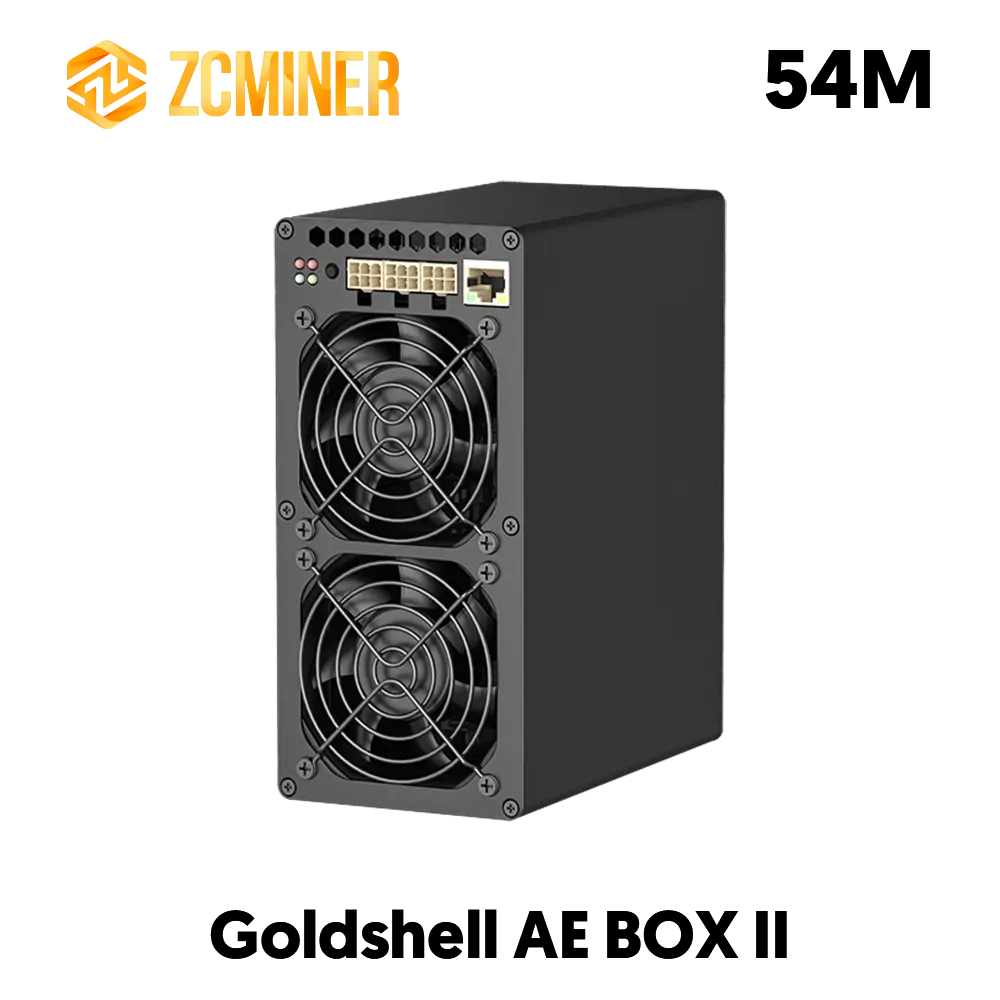
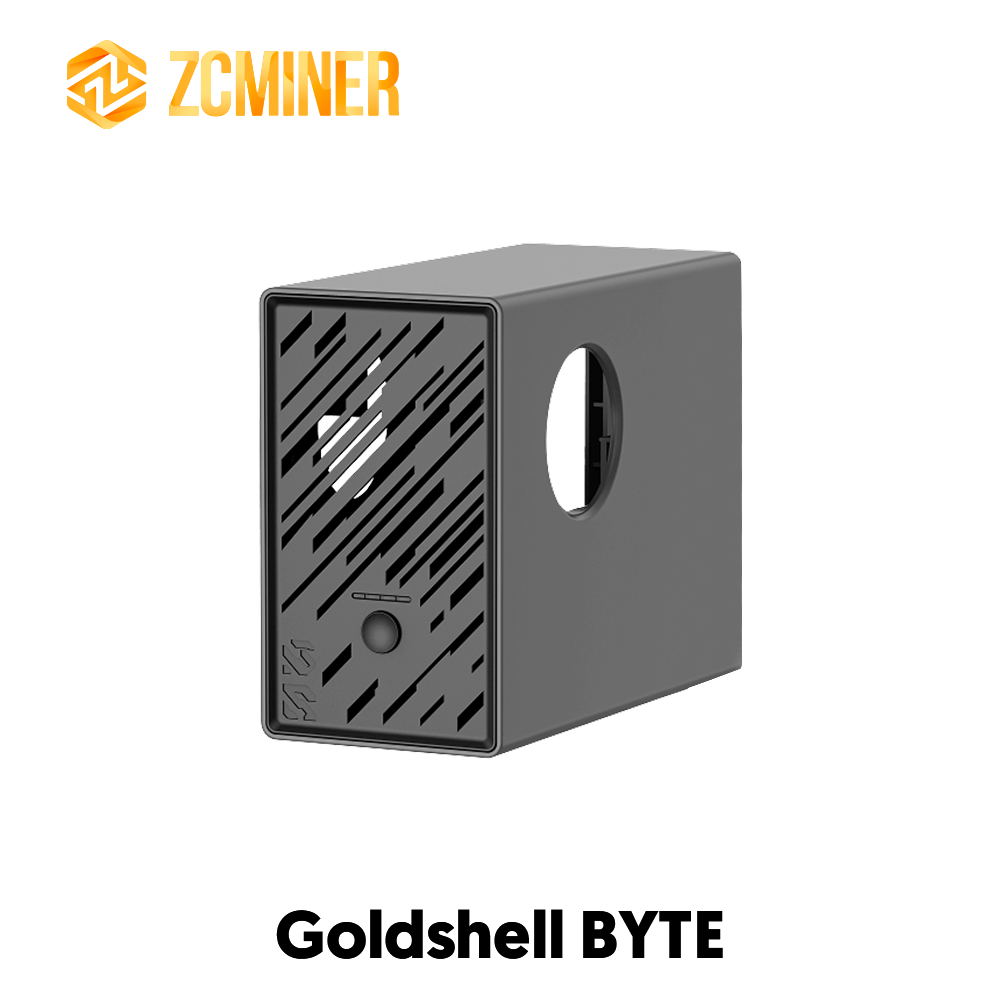
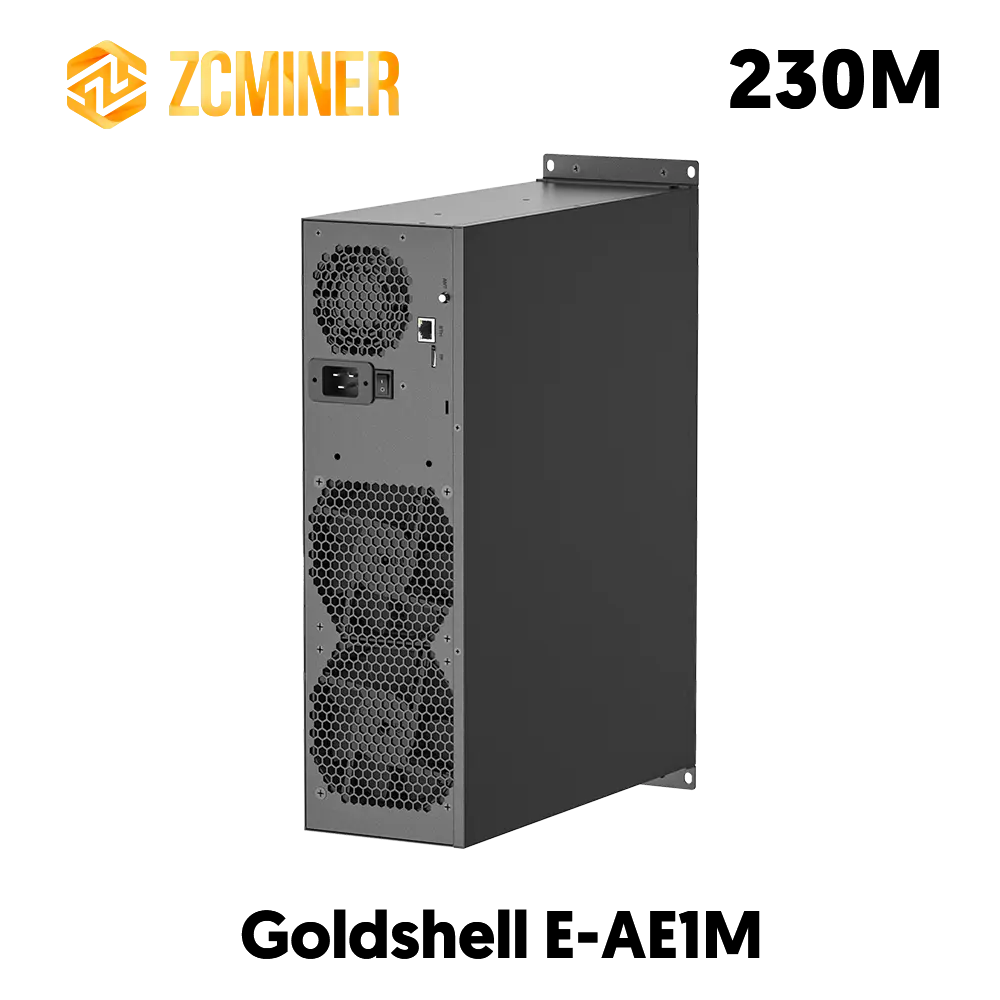
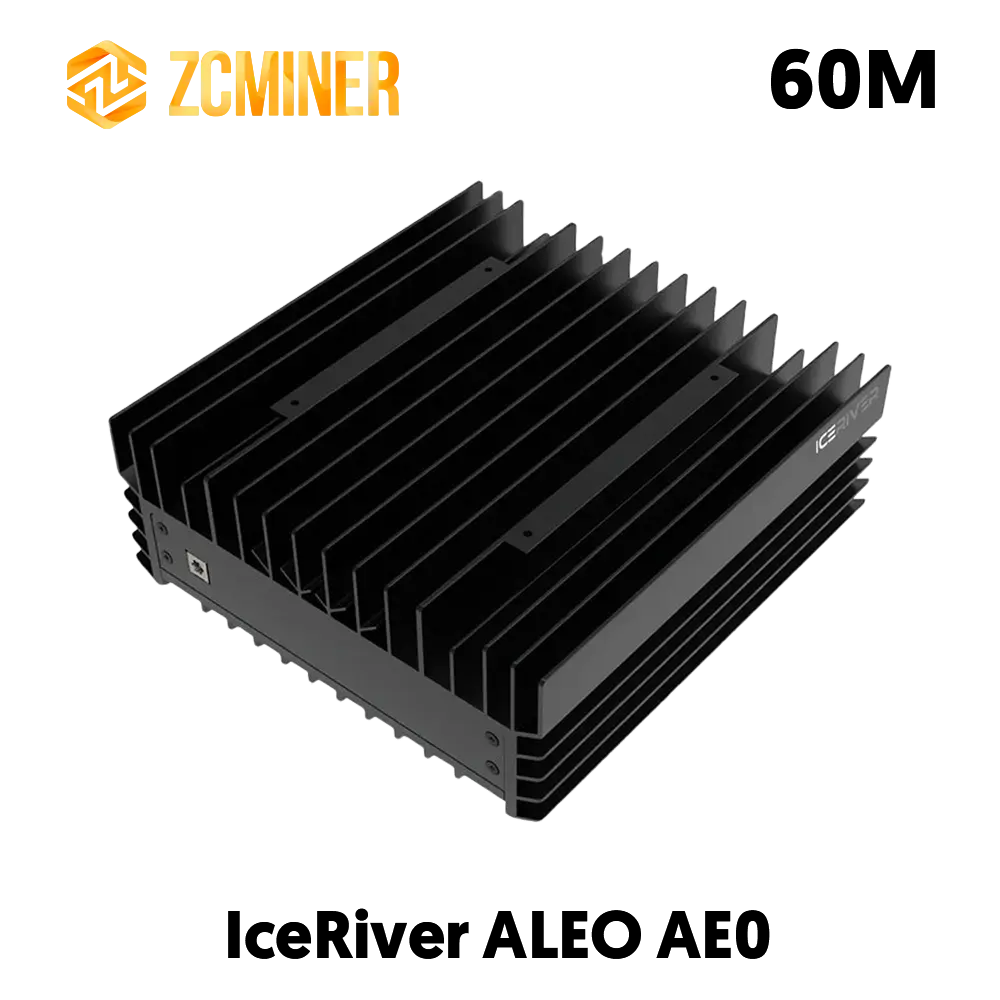


コメントを残す
このサイトはhCaptchaによって保護されており、hCaptchaプライバシーポリシーおよび利用規約が適用されます。