What Are ZK-SNARKs?
Privacy Proofs and Mining Explained
zero knowledge · succinct verification · prover and verifier · trusted setup · privacy · scaling
On This Page
1What Is a ZK-SNARK?
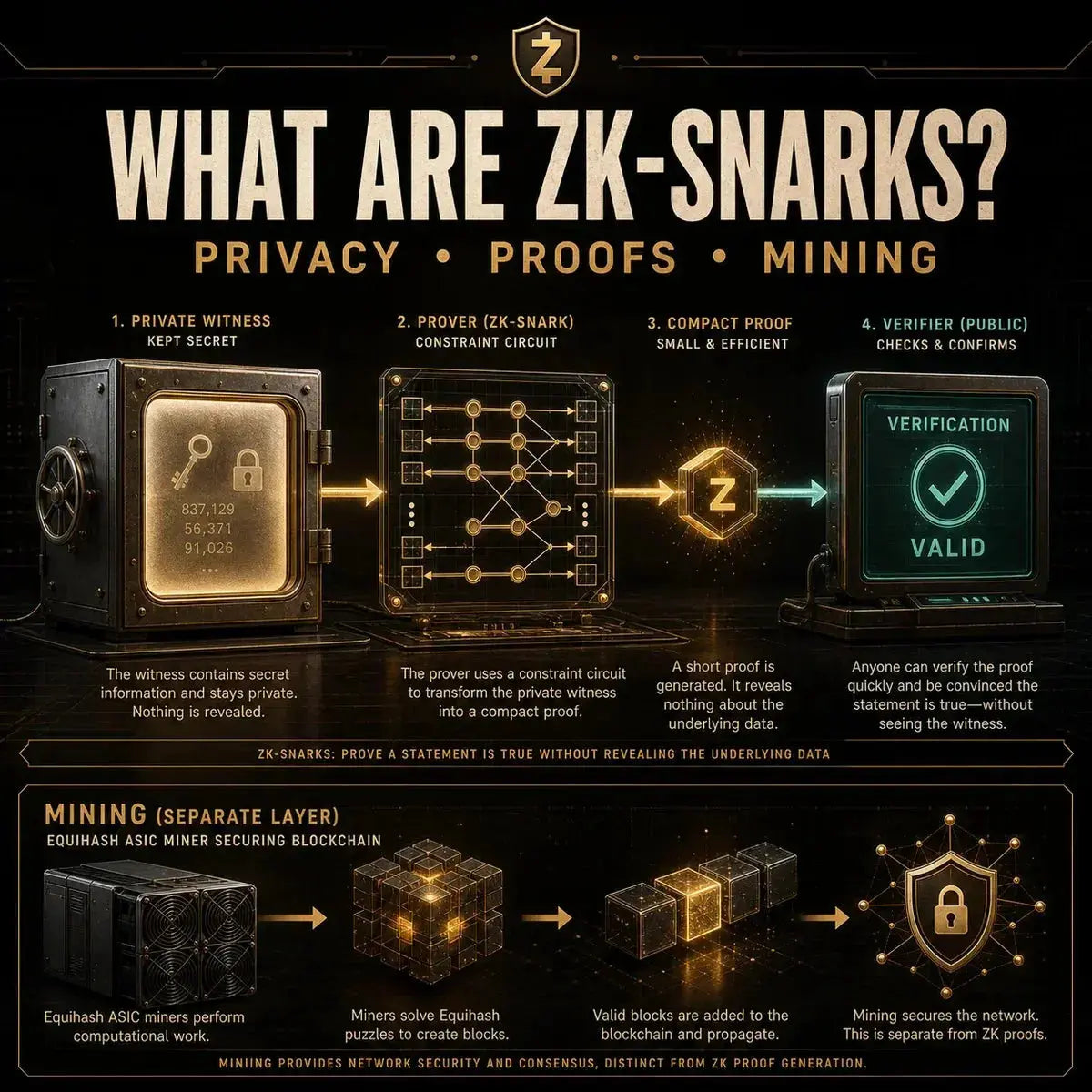
A ZK-SNARK is a cryptographic proof that lets a prover convince a verifier that a statement is true, and that the prover knows the required secret information, without revealing that secret. The full name is Zero-Knowledge Succinct Non-Interactive Argument of Knowledge. It is a family of proof constructions, not one universal algorithm.
In a blockchain transaction, the public statement might be: “This transfer follows the protocol rules.” The private witness could include secret keys, notes, balances, or an execution trace. A valid proof can show that the hidden data satisfies the rules without placing the data itself on a public ledger. That is why ZK-SNARKs are useful for private payments, verifiable computation, identity claims, and scaling systems.
The verifier learns that a precisely defined computation was performed correctly. The verifier does not automatically learn the private inputs used inside that computation.
2What Each Part of ZK-SNARK Means
“Succinct” does not guarantee the same proof size or verification time in every system. Groth16, PLONK-family systems, Marlin-family systems, and Halo 2 make different choices. The exact costs depend on the circuit, curves, commitment scheme, implementation, hardware, and security target.
3How Does a ZK-SNARK Work?
The mathematics is advanced, but the workflow can be understood in five stages.
- Define the statement. Developers express the rules as an arithmetic circuit or constraint system. For a payment, the rules may check ownership, conservation of value, and that an input has not already been spent.
- Separate public and private inputs. Public inputs are visible to the verifier. The private witness contains the secret values needed to satisfy the circuit.
- Prepare proving parameters. Depending on the proof system, this may involve circuit-specific parameters, a universal structured reference string, or a setup that does not rely on secret randomness.
- Generate the proof. The prover computes a compact cryptographic object showing that a valid witness satisfies every constraint.
- Verify the proof. A node or smart contract checks the proof using public inputs and a verification key. It accepts or rejects without learning the witness.
This does not mean the verifier trusts the prover. The proof is useful because a dishonest prover should be unable to make a false statement pass, assuming the cryptography and implementation are sound.
4Completeness, Soundness, and Zero Knowledge
| Property | Practical Meaning | Failure to Avoid |
|---|---|---|
| Completeness | An honest prover with a valid witness can create a proof the verifier accepts | Valid users being rejected by the proof system |
| Soundness | A computationally bounded attacker cannot prove a false statement except with negligible probability | Forged proofs or invalid state transitions |
| Knowledge soundness | A successful prover is treated as possessing a valid witness | Passing verification without knowing required secret data |
| Zero knowledge | The proof does not reveal the protected witness beyond the public output | Leaking balances, identities, or computation inputs |
These guarantees apply to the statement encoded by the circuit. If the circuit omits a business rule, uses the wrong range, or accepts an unsafe condition, the proof can be cryptographically valid while the application remains wrong. Circuit design, implementation review, parameter generation, wallet behavior, and operational security are therefore part of the security boundary.
5What Is a Trusted Setup?
Some ZK-SNARKs require a structured reference string generated before proving begins. Older circuit-specific systems used ceremonies that produced public parameters while participants attempted to destroy secret randomness sometimes called “toxic waste.” If all contributors colluded or the process was compromised, certain systems could lose soundness.
Multi-party computation reduces this risk: a ceremony can remain secure if at least one participant behaves honestly and destroys their secret contribution. Newer designs offer different setup models. A universal setup can support many circuits, while transparent or trustless designs avoid hidden setup randomness. These choices affect proof size, prover speed, verification cost, recursion, and implementation complexity.
Zcash's earlier Sprout and Sapling systems used multi-party parameter ceremonies. Orchard, introduced with NU5, uses Halo 2 and removed reliance on a trusted setup for that shielded protocol. It is inaccurate to describe every modern ZK-SNARK as requiring one permanent secret ceremony.
6How Zcash Uses ZK-SNARKs and Mining
Zcash is the best-known production example of ZK-SNARKs for payment privacy. In a shielded transaction, commitments represent private notes, nullifiers prevent the same note from being spent twice, and a proof shows that the transaction obeys protocol rules. Depending on the transaction type and disclosed viewing information, addresses, values, and memo data can remain protected while nodes still verify validity.
ZK-SNARKs are not the Zcash mining algorithm. Zcash mining uses Equihash proof of work. Miners compete to produce blocks, order valid transactions, and secure chain history. Nodes verify the zero-knowledge proofs inside shielded transactions before accepting them. The proof layer establishes transaction correctness; the consensus and mining layer decides which valid transactions become part of the canonical chain.
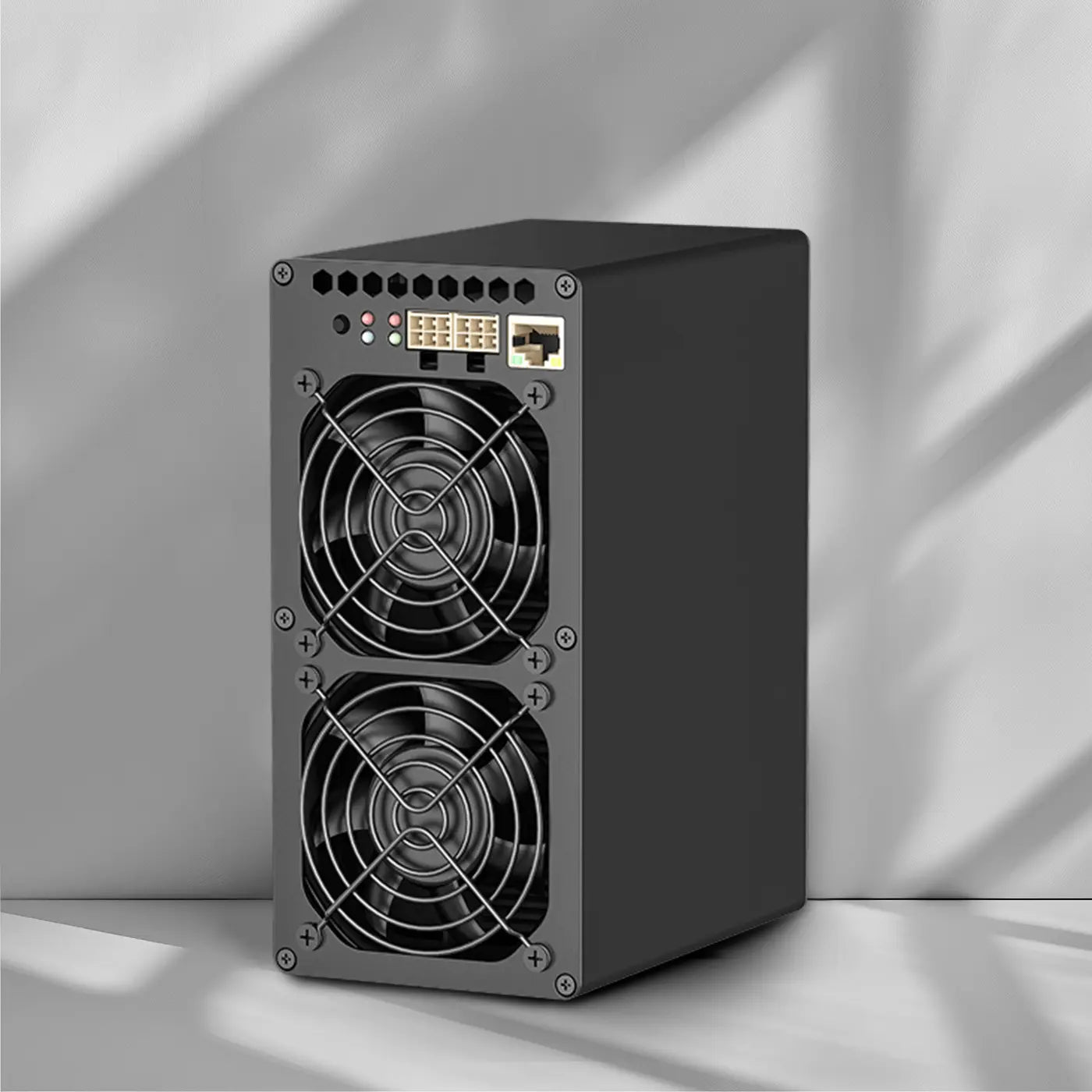
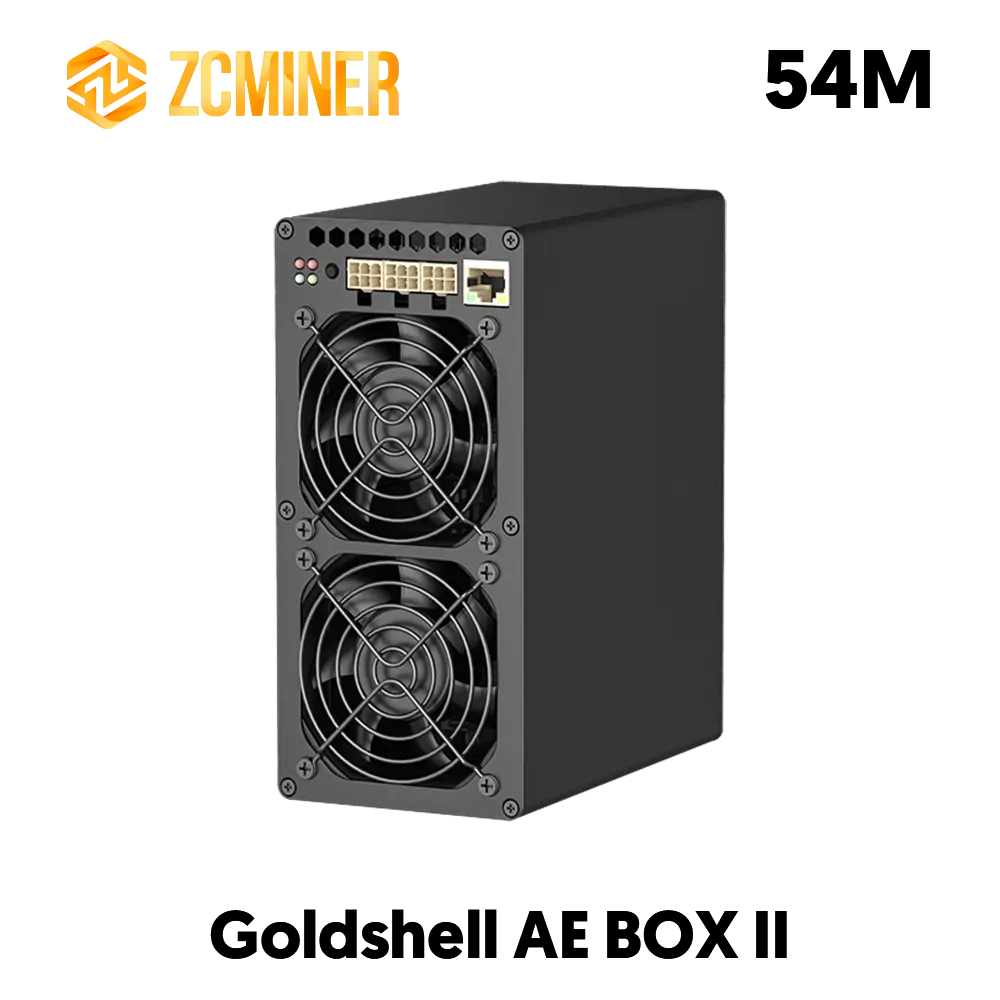
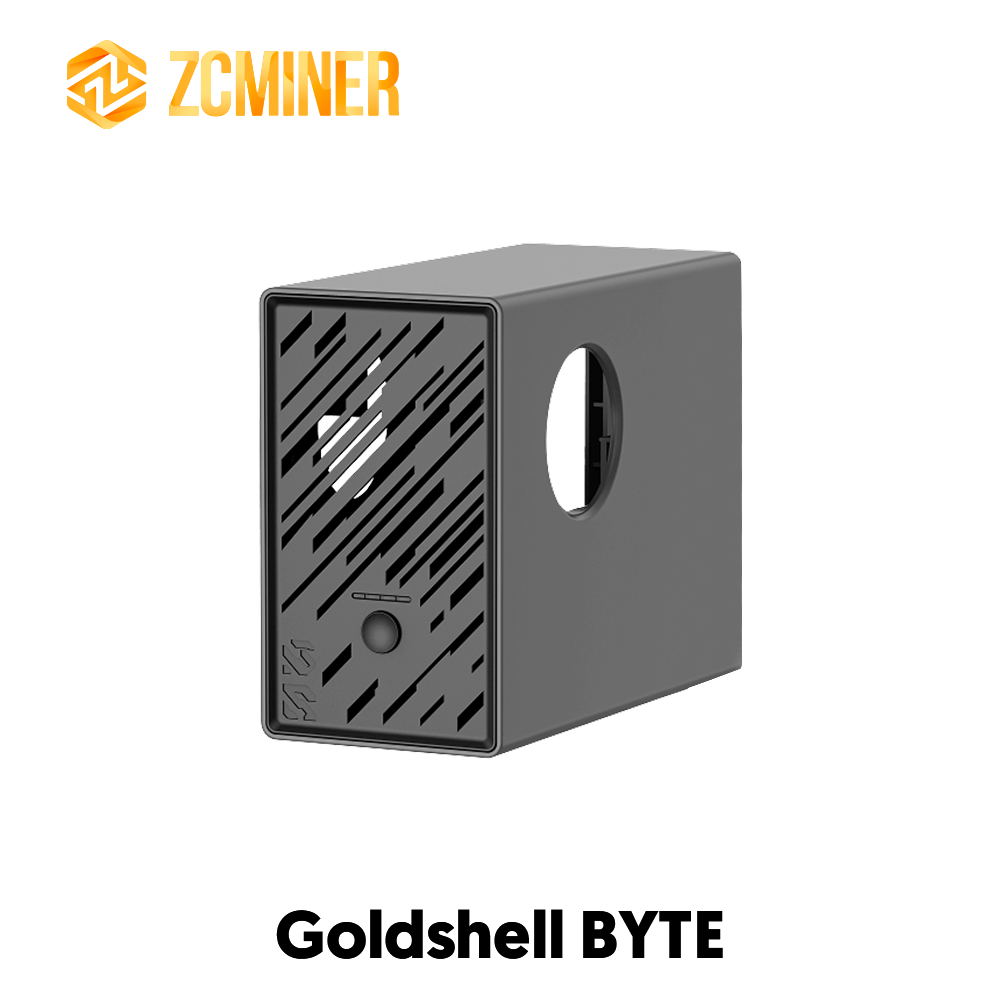
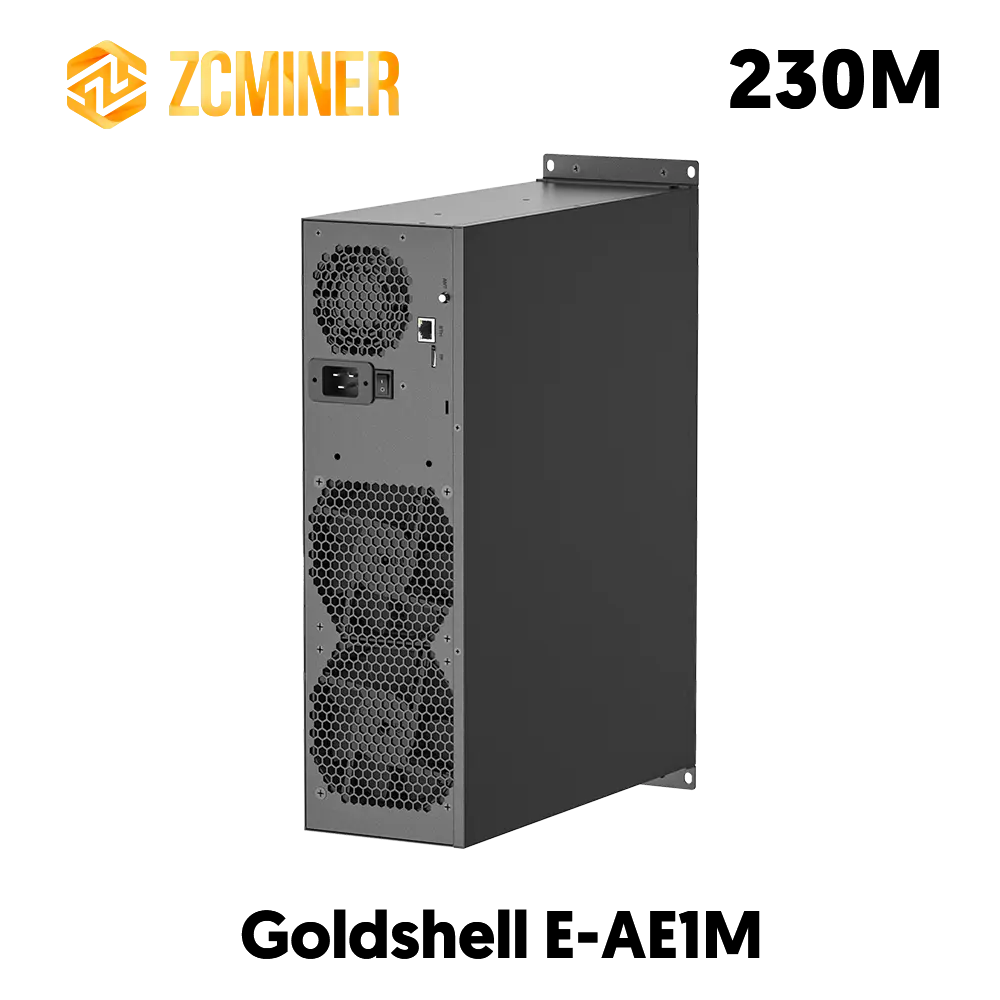
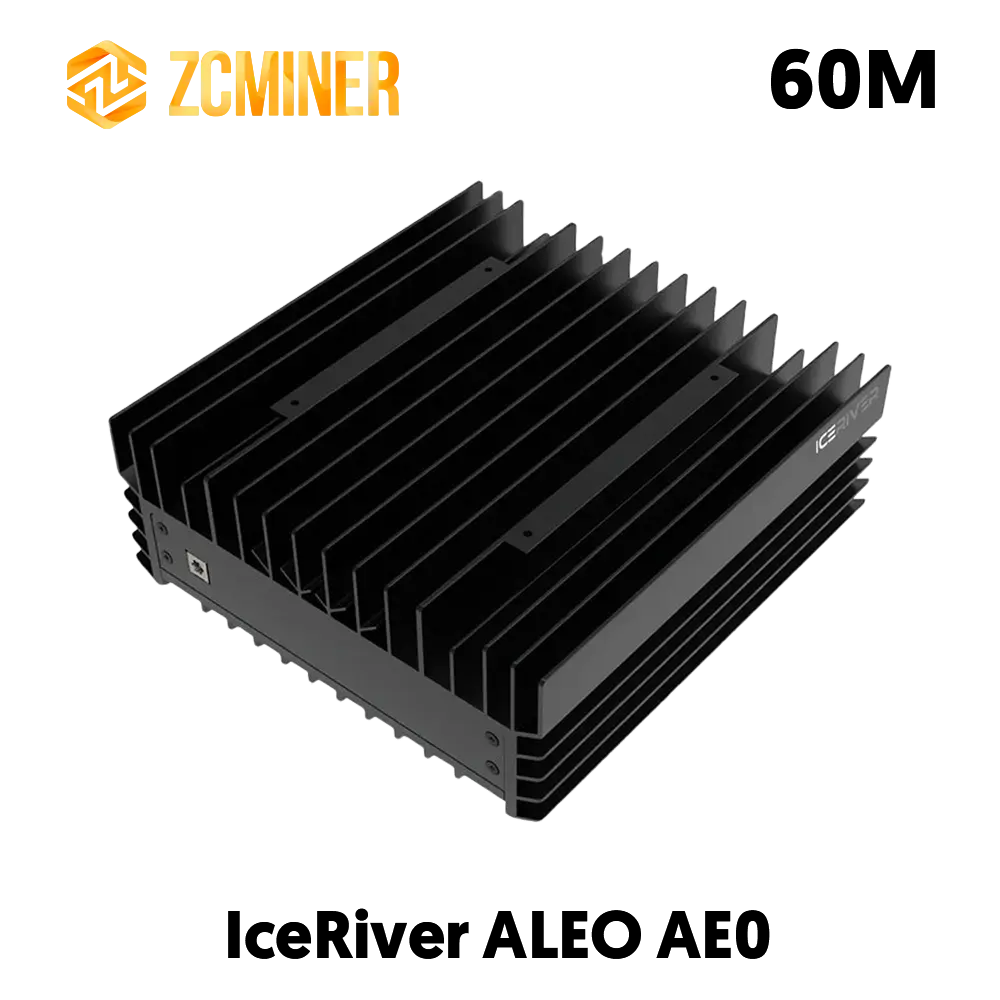
This distinction matters for hardware. An Equihash ASIC accelerates proof-of-work hashing; it does not serve as a general Halo 2 proof generator. Likewise, a device that generates a wallet proof is not automatically mining ZEC. Our Zcash mining security guide explains how Orchard, wallet software, nodes, and Equihash mining fit together.
For the user-facing reason behind shielded transactions and selective disclosure, see Zcash Privacy Value in 2026.
7Aleo, Rollups, Identity, and Verifiable Computation
Aleo uses zero-knowledge proofs for private program execution. A user can create a proof that a state transition followed a published program while keeping eligible record data private. The network verifies the proof and processes public finalize logic through its consensus system. The ZK proof demonstrates correct execution; AleoBFT provides network agreement. Treating those as the same operation would repeat the mining-versus-proof confusion seen in older Zcash explanations.
The broader Aleo Network Outlook covers its privacy model, decentralization, and network participation without reducing the project to one proof acronym.
ZK-SNARKs also support other designs:
- Validity rollups: prove that a batch of off-chain state transitions was executed correctly before a base-layer contract accepts the new state root.
- Private identity: prove age, membership, jurisdiction, or credential possession without revealing the full credential.
- Proof of reserves or liabilities: demonstrate that committed data satisfies a relation while limiting disclosure, provided the commitment and accounting scope are complete.
- Verifiable computation: prove that software produced an output from committed inputs without requiring every verifier to repeat the expensive work.
A “ZK rollup” is not automatically private. Many validity rollups publish enough transaction data for reconstruction and use proofs mainly for correctness and scaling. Privacy depends on what is public, what is hidden, and what the circuit proves.
8Limits, Costs, and Security Risks
ZK-SNARKs compress verification, but proof generation can be computationally and memory intensive. Developers must translate programs into constraints, manage proving and verification keys, select curves and commitment schemes, and optimize circuits. Complex applications may need specialized hardware or distributed proving infrastructure.
- Circuit bugs: a missing constraint can allow an invalid witness to satisfy the implemented statement.
- Implementation bugs: serialization, randomness, wallet, verifier, or library errors can undermine sound mathematics.
- Setup assumptions: systems using an SRS depend on the security model and execution of parameter generation.
- Metadata leakage: network timing, IP data, wallet behavior, public inputs, and exchange records can reveal information outside the proof.
- Upgrade risk: changing circuits or proof systems requires careful compatibility, auditing, and migration planning.
A ZK-SNARK proves a statement while hiding designated witness data. It does not automatically encrypt databases, hide IP addresses, secure endpoints, or make every transaction anonymous. The surrounding protocol must define commitments, keys, disclosures, state, and network behavior correctly.
9ZK-SNARKs, STARKs, and General ZK Proofs
| Term | What It Describes | Typical Strength | Important Qualification |
|---|---|---|---|
| Zero-knowledge proof | Broad family of protocols that prove statements without revealing protected witness information | General privacy concept | May be interactive or non-interactive, succinct or not |
| ZK-SNARK | Succinct, non-interactive argument of knowledge | Small proofs and efficient verification | Setup, proof size, and performance vary by construction |
| ZK-STARK | Transparent scalable argument using hash-based techniques | No trusted setup and different post-quantum assumptions | Proofs are often larger than SNARK proofs |
| Validity proof | Proof that a state transition or batch was computed correctly | Scaling and efficient verification | It may not hide transaction data in practice |
The right proof system depends on the application. A payment protocol may prioritize privacy and mobile proving. A rollup may prioritize throughput and on-chain verification cost. A long-lived protocol may value transparent setup or recursion. “Uses ZK” is a starting point for analysis, not a complete technical description.
10ZK-SNARK FAQ
What does ZK-SNARK stand for?
It stands for Zero-Knowledge Succinct Non-Interactive Argument of Knowledge.
Are ZK-SNARKs a cryptocurrency mining algorithm?
No. A ZK-SNARK proves that a statement or computation is valid. Zcash separately uses Equihash proof of work for mining and consensus security.
Do all ZK-SNARKs require a trusted setup?
No. Setup requirements differ. Some use circuit-specific ceremonies, some use universal parameters, and systems such as Halo 2 can avoid trusted setup.
Do ZK-SNARKs make a blockchain fully anonymous?
Not by themselves. Privacy depends on the protocol, public inputs, wallet behavior, network metadata, disclosure choices, and the size of the privacy set.
Why are ZK-SNARKs useful for scaling?
A verifier can check a compact proof of a large computation instead of repeating every step. Rollups use this property to verify batches of state transitions efficiently.
11References
These primary and official technical sources were reviewed before inclusion. External links open in a new tab and are marked nofollow.
- Zerocash: Decentralized Anonymous Payments from BitcoinThe original IACR paper describing the Zerocash construction and succinct zero-knowledge proofs for private payments.
- Zcash: What Are zk-SNARKs?Official explanation of the acronym, prover-verifier model, public parameters, and Halo 2 transition.
- Zcash Documentation GlossaryOfficial distinction between zk-SNARK shielded proofs and Equihash proof-of-work mining.
- Aleo Developer Documentation: Intro to zkSNARKOfficial overview of provers, verifiers, witnesses, setup models, and private state transitions on Aleo.
- Ethereum Developer Documentation: ZK-RollupsOfficial explanation of validity proofs, batched transactions, state roots, and rollup verification.
Final Explanation
ZK-SNARKs let a verifier check knowledge or correct computation without seeing the protected witness. Their value comes from combining privacy with compact, efficient verification.
They do not replace consensus, mining, encryption, audits, or secure software. In Zcash, proofs validate shielded transaction rules while Equihash miners secure and order blocks. In Aleo and rollups, proofs serve different execution and scaling roles. Always ask what is proved, what remains public, which setup assumptions apply, and who performs consensus.


Leave a comment
This site is protected by hCaptcha and the hCaptcha Privacy Policy and Terms of Service apply.